Offices
HEADQUARTER

Germany
- Intensiv Filter Himenviro Technologies GmbH
Neustraße 45 - 49, 42553, Velbert, Deutschland/Germany - +49 20534200990
REGIONAL OFFICE

Great Britain
- Intensiv Filter Himenviro UK Limited
47, Bath Street WS13BX, Wallsall West Midlands, Great Britain - +44 1922 628893
REGIONAL OFFICE

United Arab Emirates
- Intensive Filter Himenviro Technologies FZE – LLC
Business Centre, Sharjah Publishing City Free Zone, Sharjah, UAE - +971-556074697
REGIONAL OFFICE

India
- Intensiv-Filter Himenviro Private Limited
D-247/11, Sector-63, Noida - 201301, Uttar Pradesh, India - +91-120-4642-500
REGIONAL OFFICE
India
- Intensiv-Filter Himenviro Private Limited
D-247/11, Sector-63, Noida - 201301, Uttar Pradesh, India - +91-120-4642-500
REGIONAL OFFICE
India
- Intensiv-Filter Himenviro Private Limited
D-247/11, Sector-63, Noida - 201301, Uttar Pradesh, India - +91-120-4642-500
Power Generation Air and Dust Filtration Solutions
Power generation plants, whether coal-fired, gas-powered, or renewable, generate significant emissions and particulate matter during their operations. Airborne pollutants from combustion, cooling systems, and material handling can pose health risks, contribute to environmental pollution, and affect plant efficiency. Our air and dust filtration solutions are specifically designed to meet the stringent demands of the power generation industry. By capturing harmful emissions, fine particles, and gases, our filtration systems help power plants comply with environmental regulations, safeguard workers’ health, and improve operational performance.
Process in the Cement and Minerals
Power generation facilities rely on air and dust filtration solutions to ensure optimal performance and longevity of their equipment. This involves a multi-stage process. Firstly, intake air is filtered to remove large particles, smaller particles, and microscopic contaminants. Secondly, exhaust gases are treated to remove particulate matter and harmful gases. Lastly, cooling air is filtered to eliminate contaminants and improve heat transfer efficiency. These filtration systems play a vital role in maintaining the reliability and environmental impact of power generation plants.
Applications for Power Generation Dust Control
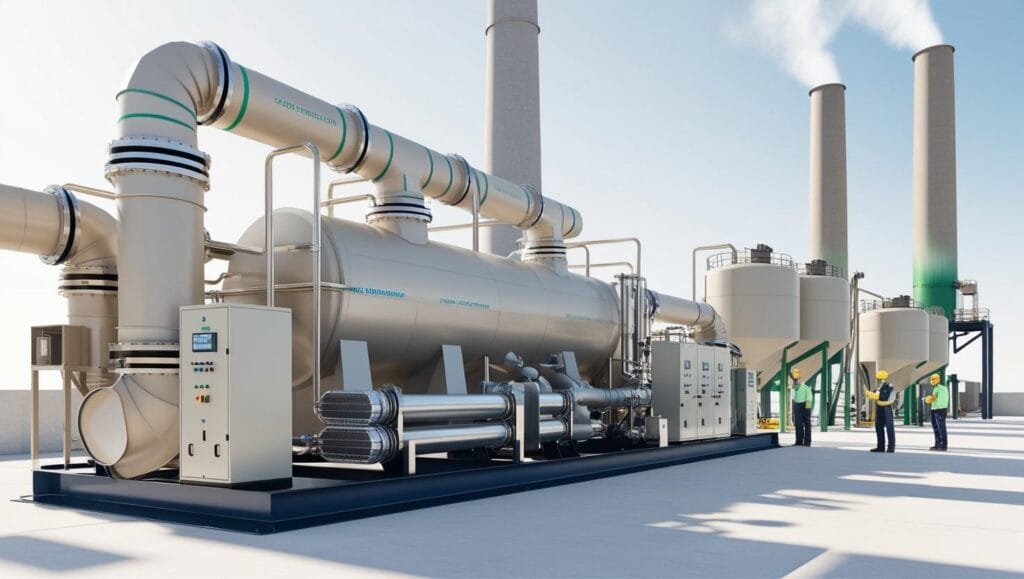
Reduces particulate matter and harmful gases released during combustion, ensuring cleaner exhaust gases and meeting environmental regulations.
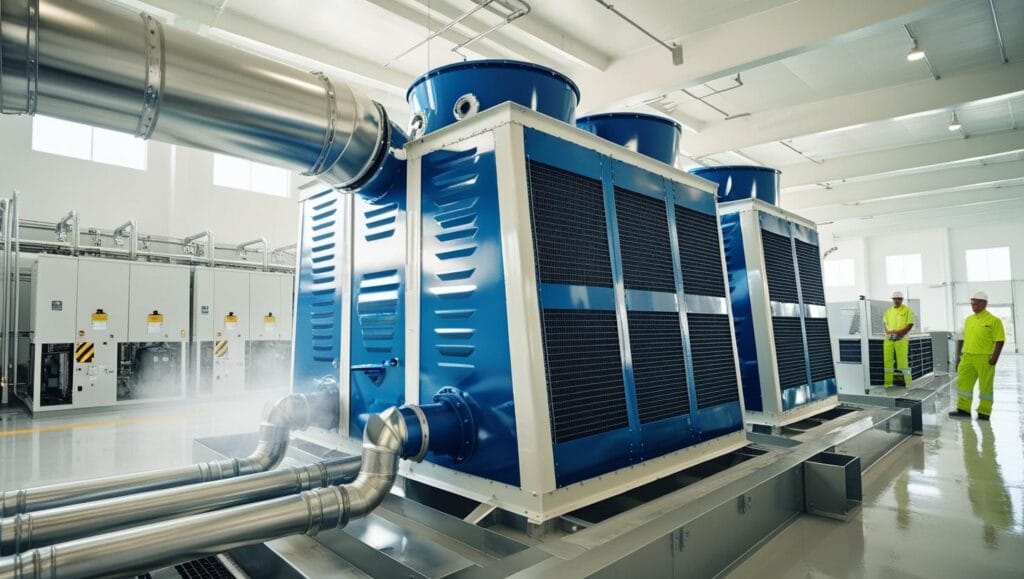
Captures dust and particulates released during cooling processes to prevent equipment damage and ensure clean air in surrounding areas.
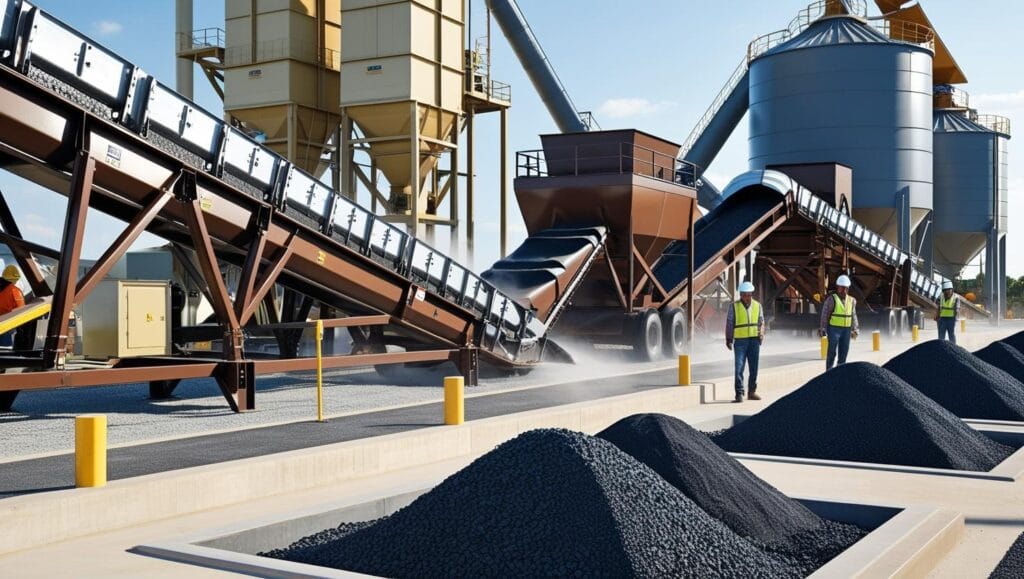
Controls dust generated during the transportation, storage, and handling of coal and other fuels, preventing contamination and environmental pollution.
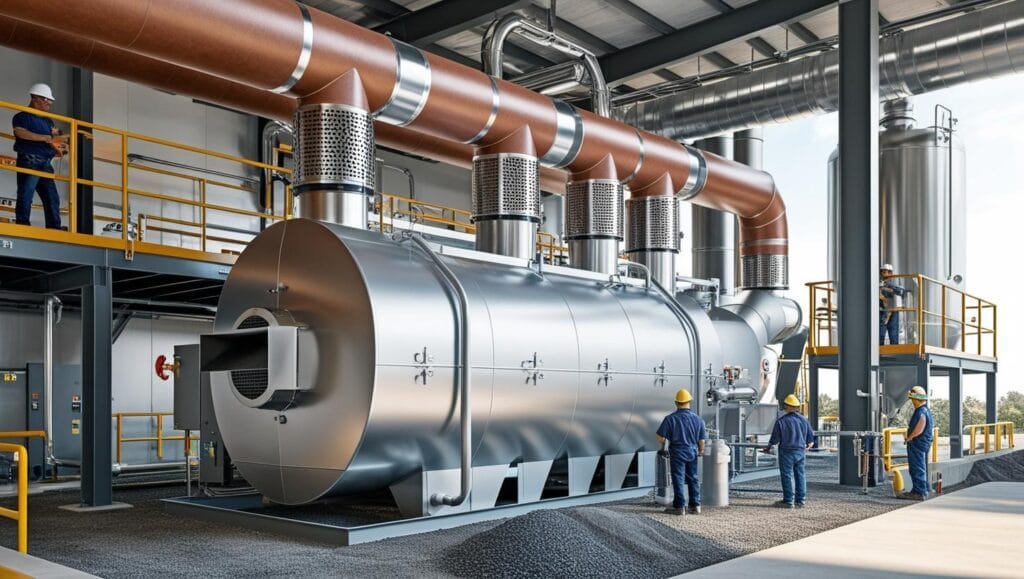
Efficiently filters the air in high-temperature areas, removing particles and pollutants from boiler and furnace exhaust systems.
Regulatory Landscape for Dust Control |
|---|
Air Quality Standards Compliance |
Worker Health & Safety Compliance |
Fire & Explosion Hazard Prevention |
Environmental Protection Compliance |
Real-Time Emission Monitoring |
Heat & Chemical Resistance |
Reduced Downtime and Maintenance Costs |
Product Integrity and Consistency |
Lower Operational Costs |
Dust Control Challenges |
|---|
High Levels of Particulate Emissions |
Managing Respiratory Risks for Workers |
Meeting Strict Environmental Regulations |
Combustion and Explosion Hazards |
Maintaining Product Quality and Purity |
Corrosive Materials and Extreme Temperatures |
Coal and Fuel Dust |
High Dust and Fume Generation |
Downtime Due to System Maintenance |
Key Considerations for Effective Dust Control |
|---|
Advanced Filtration Technologies |
High-Temperature Filtration Systems |
Dust Control at Critical Points |
Energy-Efficient Systems |
Real-Time Emission Monitoring |
Durable and Corrosion-Resistant Materials |
Regular Maintenance and Inspection |
Waste Disposal and Management |
Custom Solutions for Different Fuel Types |
Connect with us for Expert Consultation
Explore Our Other Services !



Frequently Asked Questions
Power stations handling combustion of coal, oil, or biomass release large volumes of particulate-laden flue gas, which must be efficiently cleaned to meet emission standards and maintain public health standards. Advanced filtration protects turbines, heat exchangers, and other equipment from abrasive deposits and fouling, thus improving reliability, reducing maintenance, and supporting regulatory compliance. Filtration also enables recovery of valuable byproducts such as fly ash, which can be reused in cement or construction applications.
Large-scale operations often rely on Electrostatic Precipitators (ESPs) for fly ash removal due to their ability to handle vast gas flows and particles down to submicron sizes with efficiencies over 99 %. Baghouse fabric filters are increasingly adopted—either standalone or as ESP retrofits—thanks to their robust efficiency on fine particulates. Cyclone separators and mist eliminators pre-clean heavy particles before fabric or electrostatic systems. Liquid filtration systems such as coalescers and condensate polishers are essential for turbine lubrication, cooling water, and fuel processing.
Power plant filtration systems are engineered to withstand challenging flue gas conditions such as silica-rich ash, corrosive condensates, or sticky particulates. Inlet sections and hopper liners often incorporate wear-resistant materials. Moisture-resistant or coated media are used inside bag filters, and hot gas ESPs or dry filtration techniques prevent condensation. Such enhancements significantly prolong component life and maintain consistent performance.
An electrostatic precipitator often loses collection efficiency during sudden boiler load changes due to unstable gas velocity and fly ash resistivity variation. Optimizing rapper systems and integrating secondary baghouse filters can improve overall particulate emission control.
Reduced efficiency in a flue gas desulfurization system is commonly caused by poor reagent distribution, scaling inside the absorber, or fluctuating sulfur content in coal. Proper slurry chemistry and regular maintenance are critical for stable power plant emission control.
Fly ash leakage from a baghouse filter can occur due to damaged bags, improper sealing, or incorrect pulse cleaning settings under variable biomass firing conditions. Selecting the right filter media improves air pollution control and long-term system reliability.
A rising pressure drop in a fabric filter is usually linked to ash buildup, moisture condensation, or ineffective pulse jet cleaning. Maintaining proper gas temperature and compressed air quality helps improve filtration efficiency and reduce fan load.
A selective catalytic reduction system may underperform due to catalyst poisoning, ammonia slip, or improper flue gas temperature at the reactor inlet. Continuous monitoring and optimized ammonia injection improve overall NOx control technology performance.
Boiler exhaust gases often contain sulfur compounds and acidic vapors that can corrode ducts and downstream APC equipment. Installing a properly designed scrubber system along with corrosion-resistant materials improves long-term industrial emission control reliability.
Thermal power plants can achieve compliance by integrating electrostatic precipitators, flue gas desulfurization, baghouse filters, and advanced NOx control technology into a unified APC strategy. Properly engineered systems help reduce emissions while maintaining stable boiler operation and meeting modern environmental standards.
Case Study


 EN_US
EN_US  UR
UR  AR
AR  NL
NL  MS
MS  DE
DE  FR
FR  IT
IT  FA
FA  VI
VI  KO
KO  RU
RU  ID
ID  FIL
FIL  KK
KK  UZ
UZ  BG
BG  CS
CS  HU
HU  SL
SL  SV
SV  PL
PL  TR
TR  FI
FI  ES
ES