Why Baghouse Filters Are Ideal for Cement and Mineral Plants ?
Bag Filters Use Cases in Cement Production Process
Outer filter
Spray dryer
CIP filter
External fluidized bed
Filling
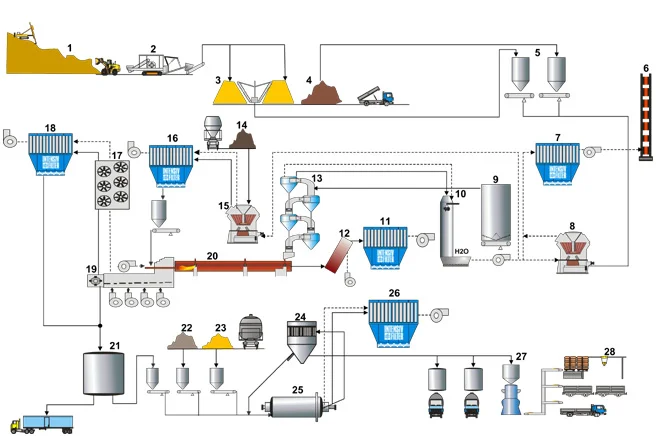
- 1. Quarry
- 2. Crusher plant
- 3. Raw material homogenization
- 4. Aggregates
- 5. Raw mill feeding silo
- 6. Main stack
- 7. Bag filter for kiln-/raw mill
- 8. Vertical raw mill
- 9. Raw material feeding silo
- 10. Gas conditioning tower
- 11. Bag filter for alkali bypass
- 12. Bypass mixing chamber
- 13. Cyclone pre-heater
- 14. Raw coal
- 15. Vertical coal grinding mill
- 16. Bag filter for coal grinding plant
- 17. Tubular cooler
- 18. Bag filter for clinker cooler
- 19. Clinker cooler
- 20. Rotary kiln
- 21. Clinker silo
- 22. Gypsum
- 23. Minerals
- 24. Separator
- 25. Cement finish mill
- 26. Bag filter for cement finish mill
- 27. Packaging plant
- 28. Palletization plant
Required Specification
Kiln & Raw Mill Bag Filter
Alkali Bypass Bag Filter
Typical design data | Kiln-/raw mill |
|---|---|
Gas volume | < 1,200,000 |
Gas temperature | 85 – 110 compound / < 250 direct |
Type of dust | CaCO3, CaO |
Residual dust content | < 550 |
Raw gas dust content | < 10 |
Cleaning | online / offline |
Filter medium | PEA, NX, PPS, PI, GL/PTFE |
Typical design data | Alkali bypass |
|---|---|
Gas volume | < 800,000 |
Gas temperature | < 250 |
Type of dust | CaCO3, CaO, Alkali |
Residual dust content | < 25 |
Raw gas dust content | < 10 |
Cleaning | offline |
Filter medium | PTFE-PI / GL-PTFE |
Coal Mill Bag Filter
Tubular Cooler Bag Filter
Typical design data | Coal mill |
|---|---|
Gas volume | < 450,000 |
Gas temperature | 80 – 110 |
Type of dust | Coal |
Residual dust content | < 250 |
Raw gas dust content | < 10 |
Cleaning | online |
Filter medium | PEA / PAN |
Typical design data | Tubular cooler |
|---|---|
Gas volume | < 1,600,000 |
Gas temperature in | 250 – 350 |
Gas temperature out | 120 – 200 |
Clinker Cooler Bag Filter
Cement Finish Mill Bag Filter
Typical design data | Clinker cooler |
|---|---|
Gas volume | < 800,000 |
Gas temperature | 120 – 180 |
Type of dust | Clinker |
Raw gas dust content | 10 – 30 |
Residual dust content | < 10 |
Cleaning | online |
Filter medium | PE / NX /PI |
Typical design data | Cement finish mill |
|---|---|
Gas volume | < 300,000 |
Gas temperature | 80 – 110 |
Type of dust | Cement, slag |
Raw gas dust content | < 350 |
Residual dust content | < 10 |
Cleaning | online / offline |
Filter medium | PE / PEA |
Our Baghouse Filter Application for the Cement and Minerals
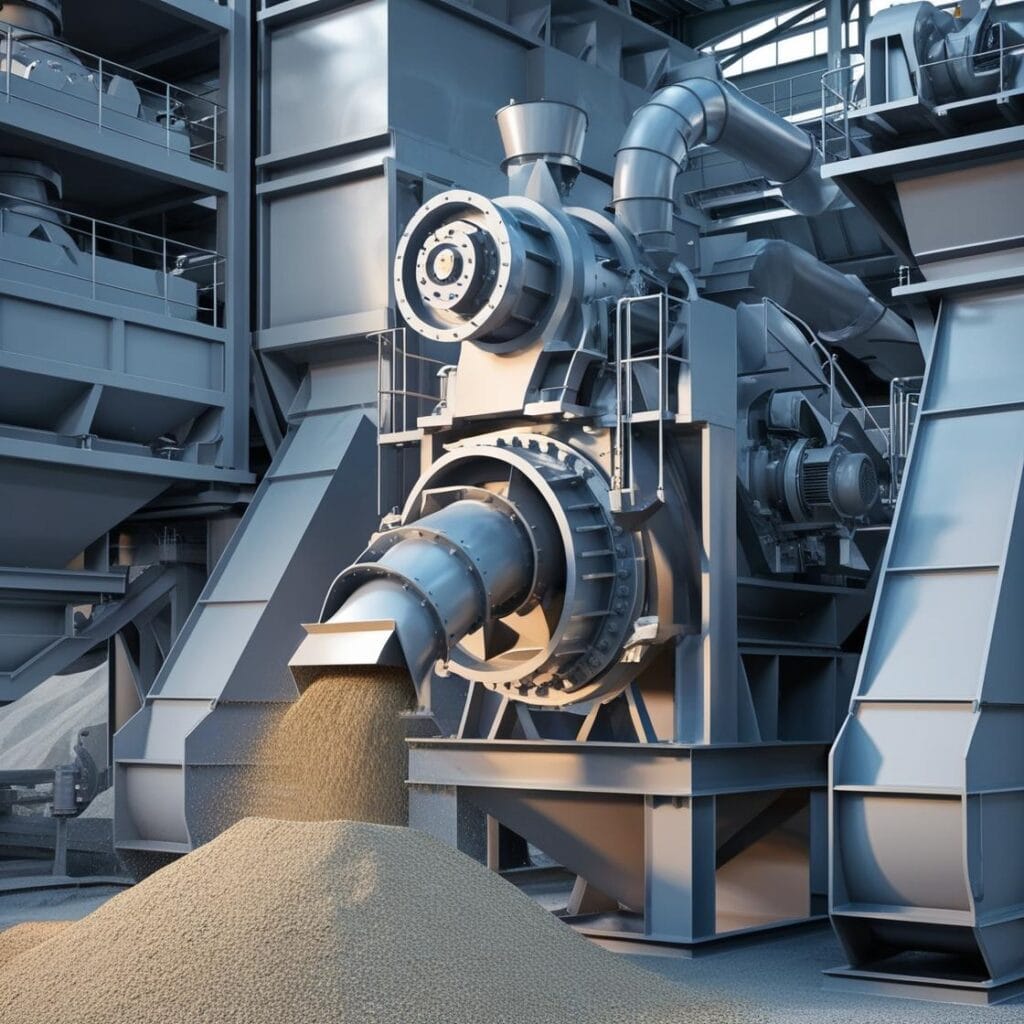
Controls dust generated from high-energy crushing and grinding processes, capturing fine particulate matter to prevent it from escaping into the atmosphere.
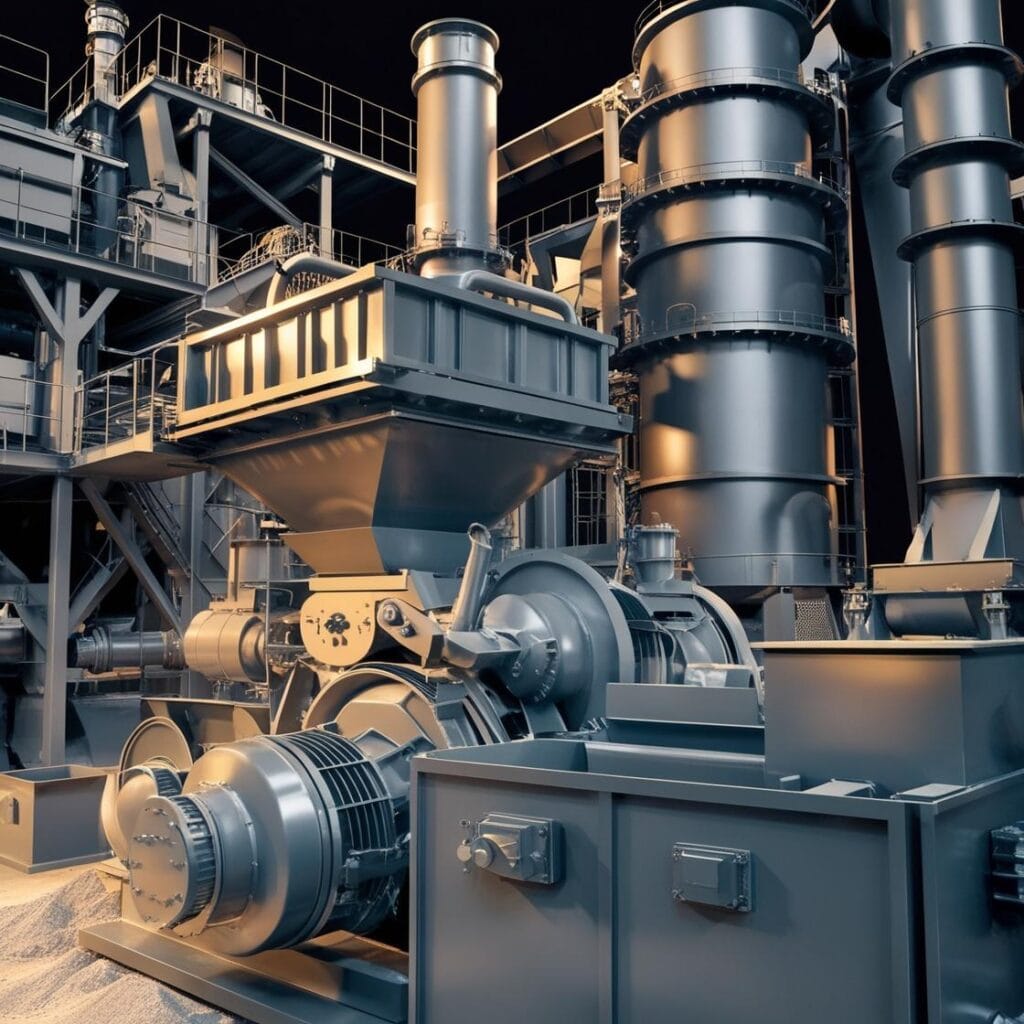
Reduces emissions from kiln processes where raw materials are heated, controlling dust and other airborne particles released during cement production.
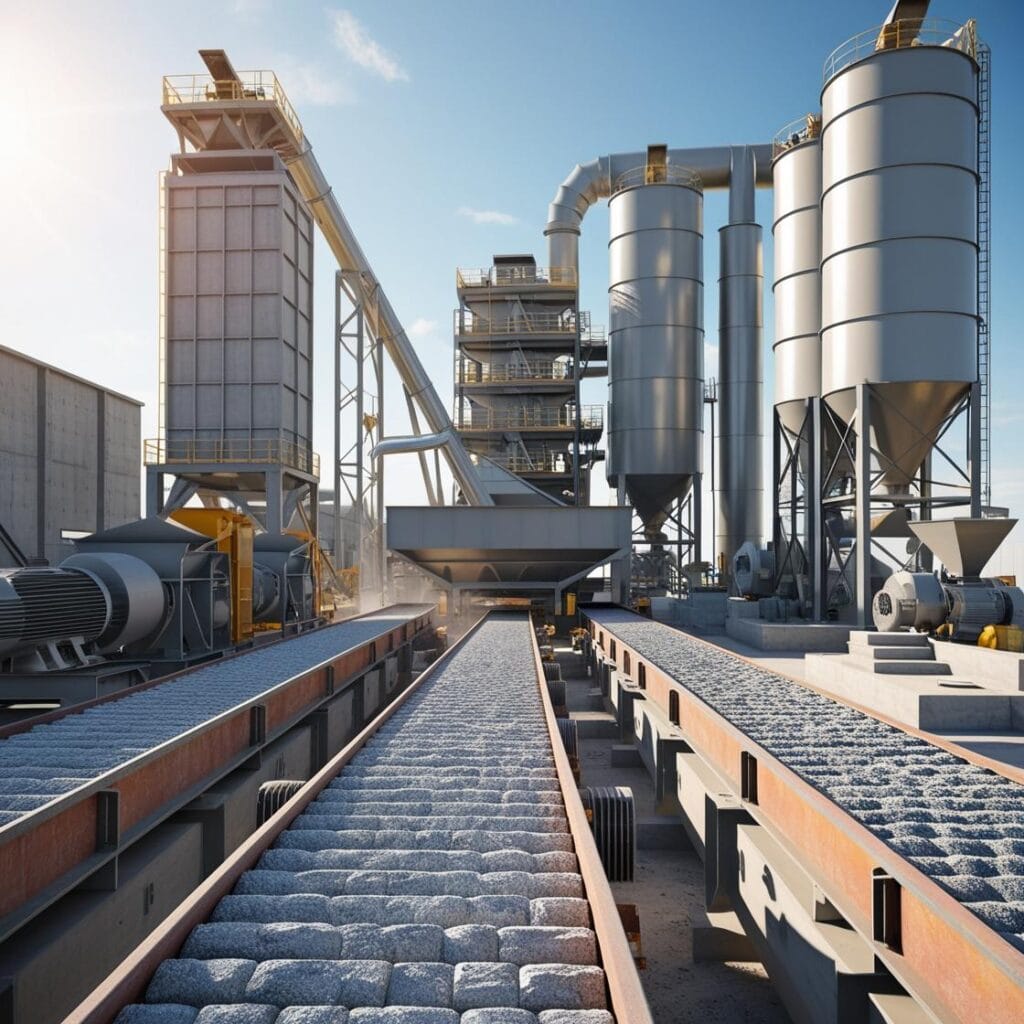
Captures dust during the transport of bulk materials, such as limestone and clinker, to prevent particle release in storage and conveying stages.
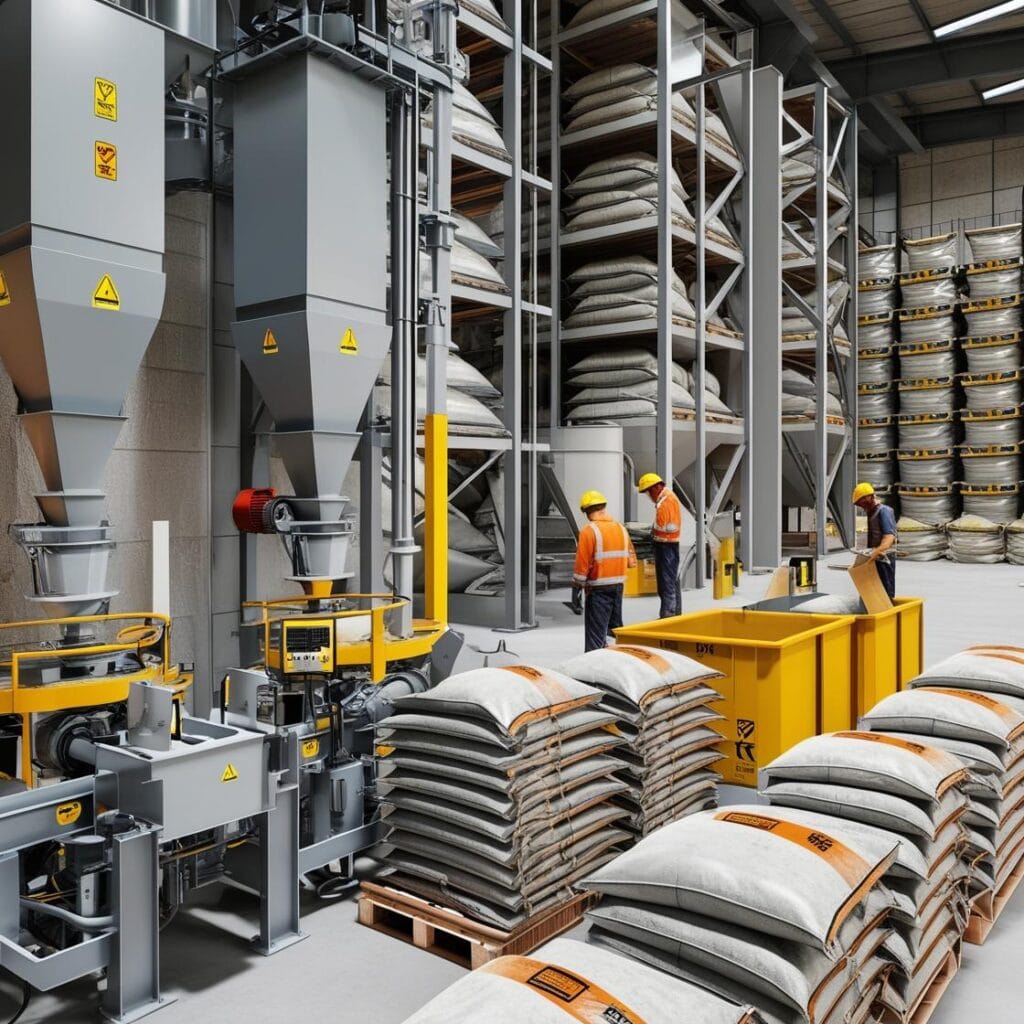
Minimizes dust emissions in product packaging and storage areas, ensuring that finished products are packed and stored in a contaminant-free environment.
Regulatory Landscape for Dust Control |
|---|
Air Quality Standards |
Worker Health and Safety |
Fire and Explosion Prevention |
Environmental Protection |
Emission Monitoring and Reporting |
Energy Efficiency |
Waste Management |
Product Quality and Consistency |
Reduced Downtime and Maintenance Costs |
Dust Control Challenges |
|---|
High Dust Levels |
Worker Health Risks |
Environmental Compliance |
Fire and Explosion Hazards |
Product Quality Concerns |
Equipment Wear and Tear |
Cross-Contamination |
Air Quality Compliance |
Microbial Growth |
Key Considerations for Effective Dust Control |
|---|
Implement Effective Dust Capture Systems |
Proper Airflow and Pressure Control |
Temperature and Moisture Management |
High-Efficiency Filtration Systems |
Regular Maintenance and Inspection |
Adherence to Industry Standards |
Frequent Assessment of Dust Control System |
Process-Specific Adaptations |
Risk Assessment and Mitigation |
Connect with us for Expert Consultation
Explore Our Other Services !



Frequently Asked Questions
In the cement industry, effective filtration solutions are essential for controlling dust emissions and ensuring environmental compliance. Commonly used filtration systems include baghouse filters, which utilize fabric filter bags to capture fine particles from various processes such as kilns, mills, and material handling. These filters are favored for their high efficiency in removing particulate matter. Additionally, advanced filtration solutions, such as those offered by Micronics, are designed to meet the unique demands of the cement industry, ensuring compliance with environmental regulations and enhancing operational efficiency.
Filtration systems improve efficiency in cement production by effectively capturing dust and particulate matter, reducing equipment wear and preventing blockages. This ensures smooth operation, minimizes downtime, and enhances product quality by preventing contamination. Proper dust control also helps maintain regulatory compliance, reducing the risk of fines and environmental issues. Additionally, efficient filtration systems contribute to energy savings by optimizing airflow and reducing pressure drops in the system.
Advanced filtration systems in cement production help reduce air pollution by capturing fine dust particles and minimizing emissions of harmful pollutants. They improve air quality, ensuring compliance with environmental regulations and reducing the industry’s carbon footprint. By enhancing dust control, these systems also contribute to worker health and safety. Additionally, they support sustainability by enabling the recovery and reuse of raw materials, reducing waste, and optimizing energy efficiency in cement manufacturing processes.
Frequent bag failure in a baghouse filter system is usually caused by high temperature, abrasive dust, moisture, or improper pulse cleaning. In many cases, the issue is linked to poor operation of the cement dust collector and improper selection of air pollution control equipment.
High pressure drop in a baghouse filter is commonly caused by clogged bags, poor pulse jet cleaning, or incorrect air-to-cloth ratio. If not corrected, it increases fan power consumption and reduces the efficiency of the cement dust collector system.
A clinker cooler electrostatic precipitator often faces performance issues due to fluctuating temperatures, high dust loading, and uneven gas distribution. Over time, this affects collection efficiency and increases cement plant emissions.
Reducing cement plant emissions below 30 mg/Nm³ requires efficient baghouse filters, stable airflow, proper pulse cleaning, and leak-proof ducting. Plants must also follow CPCB cement plant guidelines and cement industry emission standards India for long-term compliance.
Moisture makes cement dust sticky, leading to choking inside the baghouse filter and reducing cleaning efficiency. Proper compressed air quality and temperature control are essential for reliable air pollution control equipment performance.
Efficient pulse jet cleaning depends on dry compressed air, correct pulse timing, and healthy diaphragm valves. A properly maintained cement dust collector helps improve filtration efficiency and supports compliance with environmental regulations cement industry India.
A cyclone separator is used as a pre-cleaning device to reduce heavy dust load before the gas enters the main baghouse filter or electrostatic precipitator. This improves equipment life and overall dust collection efficiency.
A scrubber system is generally used when gas cleaning and chemical pollutant control are required along with dust collection. In some applications, it is combined with other air pollution control equipment to meet strict environmental norms.
Efficient air pollution control equipment helps reduce dust emissions, improve workplace safety, and ensure compliance with ministry of environment forest and climate change cement regulations. It also supports sustainable cement production India initiatives.
Cement plants achieve compliance by using advanced baghouse filters, electrostatic precipitators, optimized process control, and continuous emission monitoring systems. Following CPCB cement plant guidelines and cement industry emission standards India is essential for operational approval and environmental sustainability.
Case Study


 EN_US
EN_US  UR
UR  AR
AR  NL
NL  MS
MS  DE
DE  FR
FR  IT
IT  FA
FA  VI
VI  KO
KO  RU
RU  ID
ID  FIL
FIL  KK
KK  UZ
UZ  BG
BG  CS
CS  HU
HU  SL
SL  SV
SV  PL
PL  TR
TR  FI
FI  ES
ES