Carbon Black Industry Air and Dust Filtration Solutions
The production of carbon black involves processes that generate fine particulate emissions, which can pose significant risks to both the environment and the health of workers. These particles are extremely small and can be harmful if inhaled, making effective air and dust filtration systems crucial for ensuring safety, compliance with environmental regulations, and the protection of product quality. Our air and dust filtration solutions are designed to address the unique challenges faced by the carbon black industry, capturing fine particles and ensuring that production processes meet both safety and regulatory standards.
Dust Filtration Process in the Carbon Black Industry
Dust filtration in the carbon black industry is a critical process to control emissions and maintain a safe working environment. Carbon black production generates significant amounts of fine dust particles. To capture these particles, various filtration technologies are employed, including baghouses, cyclones, and electrostatic precipitators. These systems work by passing the dust-laden air through a series of filters or chambers, where the dust particles are separated from the air stream and collected. The captured dust is then typically recycled back into the production process, reducing waste and improving overall efficiency.
Applications for Carbon Black Industry Dust Control
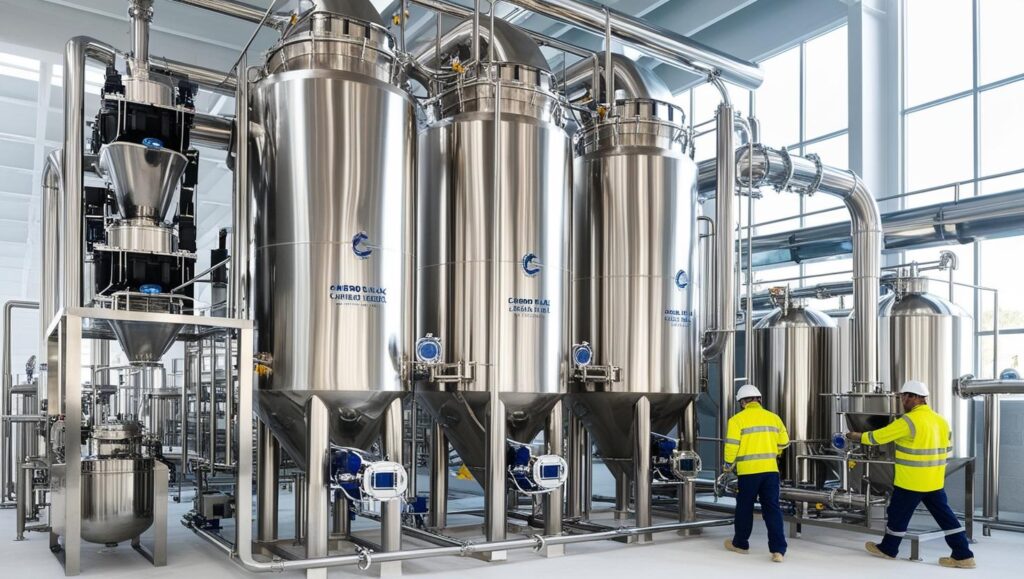
Filters dust generated during the production of carbon black, capturing fine particulate matter that can pose health risks and environmental concerns.

Manages emissions during the transportation and handling of raw materials and finished carbon black products, reducing contamination and airborne exposure.

Controls the dust created during the crushing and grinding of raw materials, ensuring that fine particulates do not escape into the atmosphere.
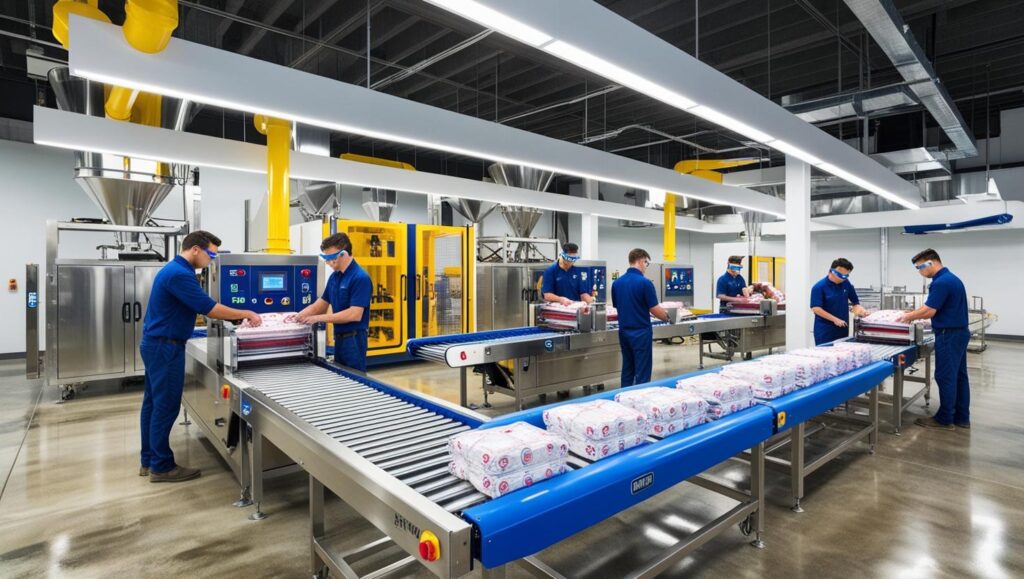
Minimizes dust emissions during the packaging process, preventing contamination of the final product and ensuring a clean packaging environment.
Regulatory Landscape for Dust Control |
|---|
Air Quality Standards |
Worker Health and Safety |
Combustible Dust Control |
Environmental Protection |
Emission Monitoring |
Energy Efficiency |
Waste Disposal Compliance |
Sustainable Practices |
Health and Environmental Reporting |
Dust Control Challenges |
|---|
Fine Particulate Matter |
Worker Respiratory Health |
Environmental Compliance |
Combustible Dust Hazards |
Operational Continuity |
High Maintenance Requirements |
Cross-Contamination of Products |
Particle Capture Efficiency |
Air Quality Control in Confined Spaces |
Key Considerations for Effective Dust Control |
|---|
High-Efficiency Filtration |
Explosion-Proof Filtration Units |
Regular Maintenance and Inspections |
Real-Time Emission Monitoring |
Adaptability to High Temperatures |
Energy-Efficient Design |
Customized Filtration Solutions |
Continuous Airflow Management |
Sustainability Considerations |
Connect with us for Expert Consultation
Explore Our Other Services !




Frequently Asked Questions
Carbon black manufacturing involves processes like oil-furnace or thermal reactors that produce ultra-fine, electrically conductive dust at high temperatures. The extremely fine nature of these particles makes them easily airborne, posing health risks and creating serious combustible dust hazards. Advanced filtration systems are therefore essential for protecting worker health, preventing equipment fouling, enabling product recovery, and ensuring compliance with air emission regulations.
Carbon black dust is highly adhesive, conductive, and abrasive, making filtration particularly challenging. The dust tends to cake onto filter media, leading to rapid clogging if inappropriate filter bags are used. Facilities often require PTFE-membrane glass fiber bags, Nomex, or polyester media to resist high temperatures, chemical degradation, and frequent cleaning. This aligns with best practices adopted by leading industry suppliers.
Standard systems include pulse-jet baghouses equipped with high-performance filter media, electrostatic precipitators for fine dust, and wet scrubbers or venturi systems to capture gaseous emissions and acid gases. Secondary controls, such as activated carbon injection or scrubbers, are used for trace VOCs or sulfur compounds. These multi-stage setups reflect modern designs used by top competitors.
Fine carbon black particles can escape due to air leakage, damaged bags, or improper airflow balancing inside the bag filter system. Optimizing the industrial air filtration setup helps improve product recovery and emission control.
In carbon black plants, rising pressure drop is often linked to fine dust buildup, unstable gas conditions, or ineffective cleaning cycles rather than only filter quality. Proper APC balancing improves reliability and reduces energy consumption.
A cyclone separator may not remove finer carbon particles efficiently if the airflow velocity or separator design is not optimized. Improving pre-separation performance helps protect downstream APC equipment and improve system life.
An electrostatic precipitator may lose efficiency during sudden process fluctuations, high dust loading, or unstable gas temperatures. Regular APC tuning and airflow optimization help improve particulate capture performance.
A scrubber system may not absorb fumes effectively if liquid circulation, gas flow, or chemical dosing is not properly maintained. Optimizing scrubber performance improves plant air quality and overall APC efficiency.
High VOC emissions often indicate improper temperature conditions, insufficient residence time, or airflow imbalance inside the thermal oxidizer. Proper system monitoring helps improve emission reduction and cleaner operation.
Carbon black industries can improve sustainability by combining efficient bag filters, optimized electrostatic precipitators, reliable industrial air filtration, and advanced carbon capture technology. A properly engineered APC setup helps reduce emissions, recover valuable product, and support long-term environmental compliance India standards.
Case Study


 EN_US
EN_US  UR
UR  AR
AR  NL
NL  MS
MS  DE
DE  FR
FR  IT
IT  FA
FA  VI
VI  KO
KO  RU
RU  ID
ID  FIL
FIL  KK
KK  UZ
UZ  BG
BG  CS
CS  HU
HU  SL
SL  SV
SV  PL
PL  TR
TR  FI
FI  ES
ES