Offices
HEADQUARTER

Germany
- Intensiv Filter Himenviro Technologies GmbH
Neustraße 45 - 49, 42553, Velbert, Deutschland/Germany - +49 20534200990
REGIONAL OFFICE

Great Britain
- Intensiv Filter Himenviro UK Limited
47, Bath Street WS13BX, Wallsall West Midlands, Great Britain - +44 1922 628893
REGIONAL OFFICE

United Arab Emirates
- Intensive Filter Himenviro Technologies FZE – LLC
Business Centre, Sharjah Publishing City Free Zone, Sharjah, UAE - +971-556074697
REGIONAL OFFICE

India
- Intensiv-Filter Himenviro Private Limited
D-247/11, Sector-63, Noida - 201301, Uttar Pradesh, India - +91-120-4642-500
REGIONAL OFFICE
India
- Intensiv-Filter Himenviro Private Limited
D-247/11, Sector-63, Noida - 201301, Uttar Pradesh, India - +91-120-4642-500
REGIONAL OFFICE
India
- Intensiv-Filter Himenviro Private Limited
D-247/11, Sector-63, Noida - 201301, Uttar Pradesh, India - +91-120-4642-500
Food Industry Air and Dust Filtration Solutions
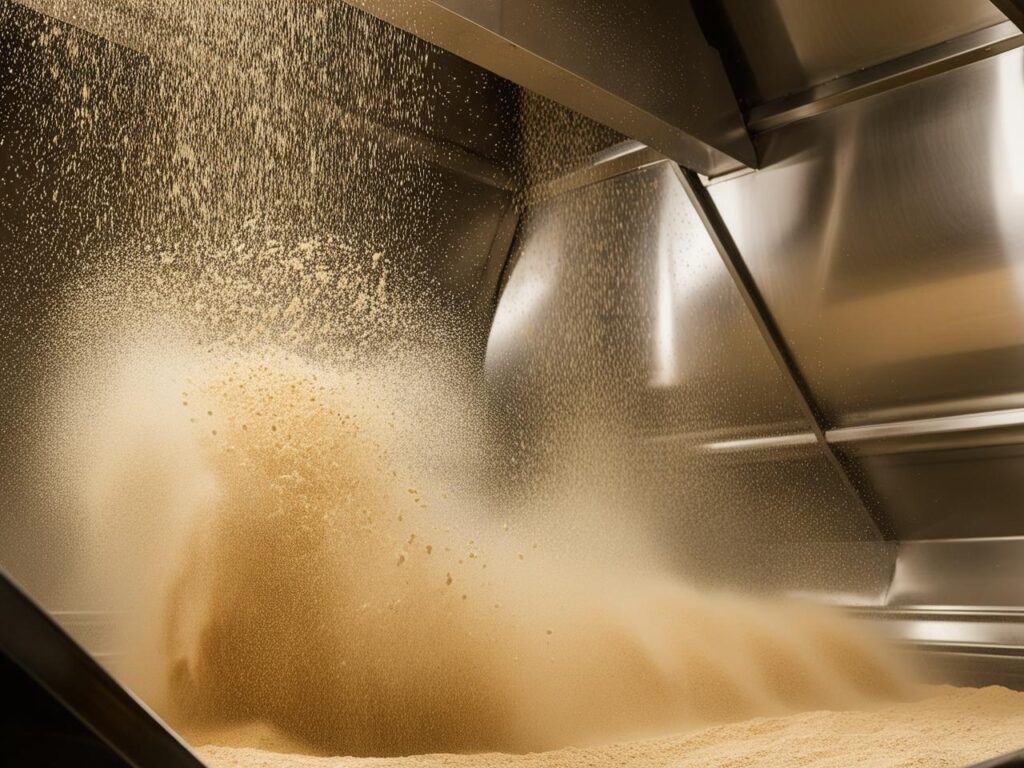
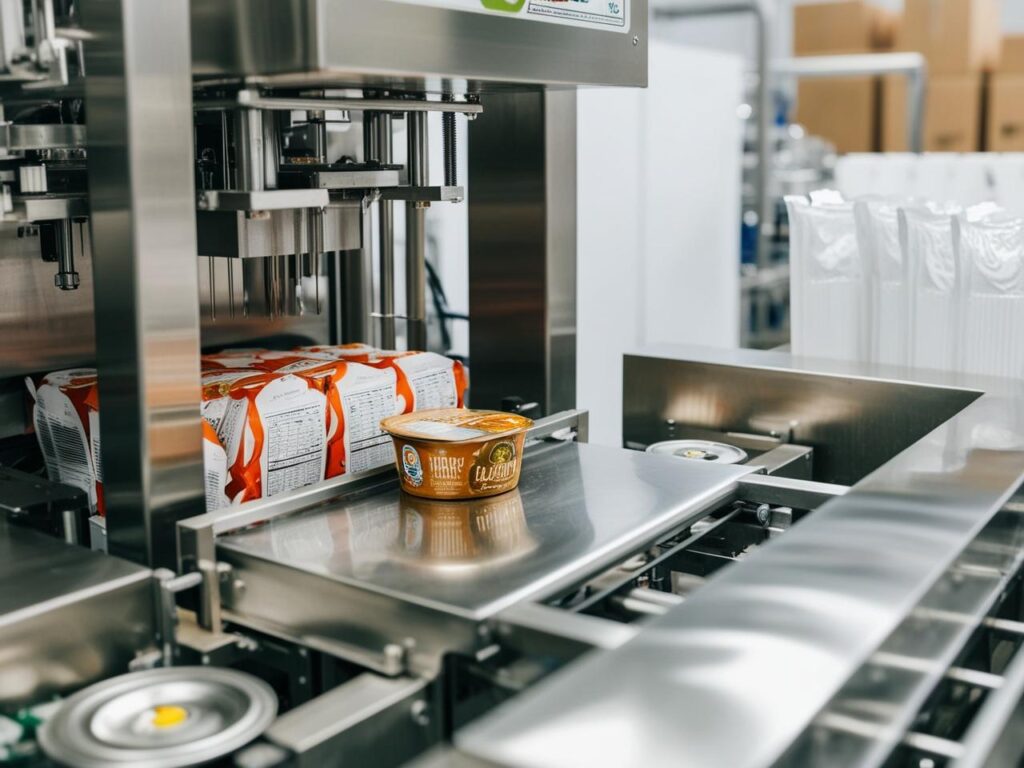
The food and beverage industry is a complex and highly regulated sector that relies on precise processes and stringent hygiene standards. One critical aspect of maintaining these standards is effective dust control. Processes such as grain handling, mixing, blending, and packaging generate fine dust particles that can contaminate products, pose health risks to workers, and create potential explosion hazards.
To address these challenges, We offer advanced filtration solutions specifically designed for the food and beverage industry. Our systems are engineered to capture and remove dust particles, ensuring product purity, worker safety, and regulatory compliance.
Dust Filtration Process in the Food Industry
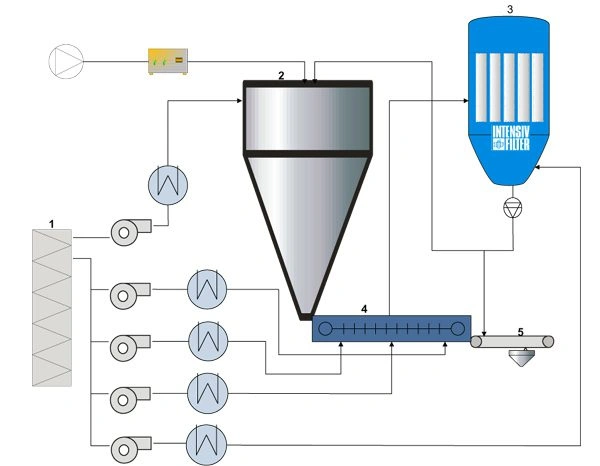
- 1. Outer filter
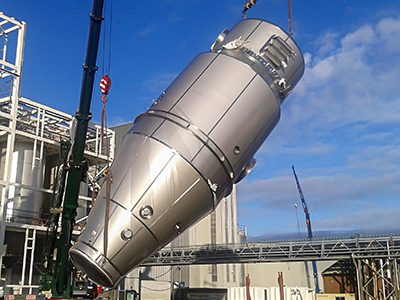
- 2. Spray dryer
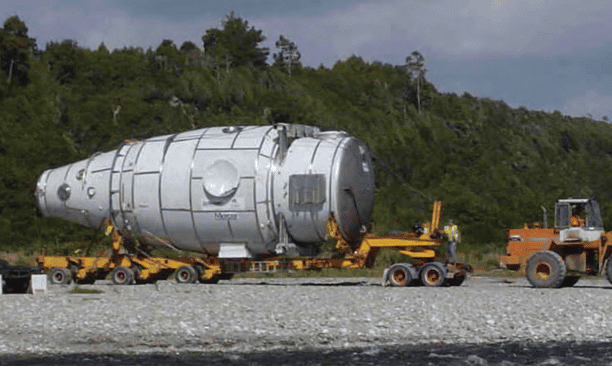
- 3. CIP filter
- 4. External fluidized bed
- 5. Filling
Required Specification For the CIP Filter
Typical design data | CIP filter |
|---|---|
Gas volume | < 230,000 m³/h |
Gas temperature | 80-90 °C |
Type of dust | Dried milk products |
Residual dust content | < 10 g/m³ |
Raw gas dust content | 20 mg/m³ |
Cleaning | On-line |
Filter medium | Polyester |
Explosion rated design | Yes |
Sorbent |
Our Products Application for the Food Industry

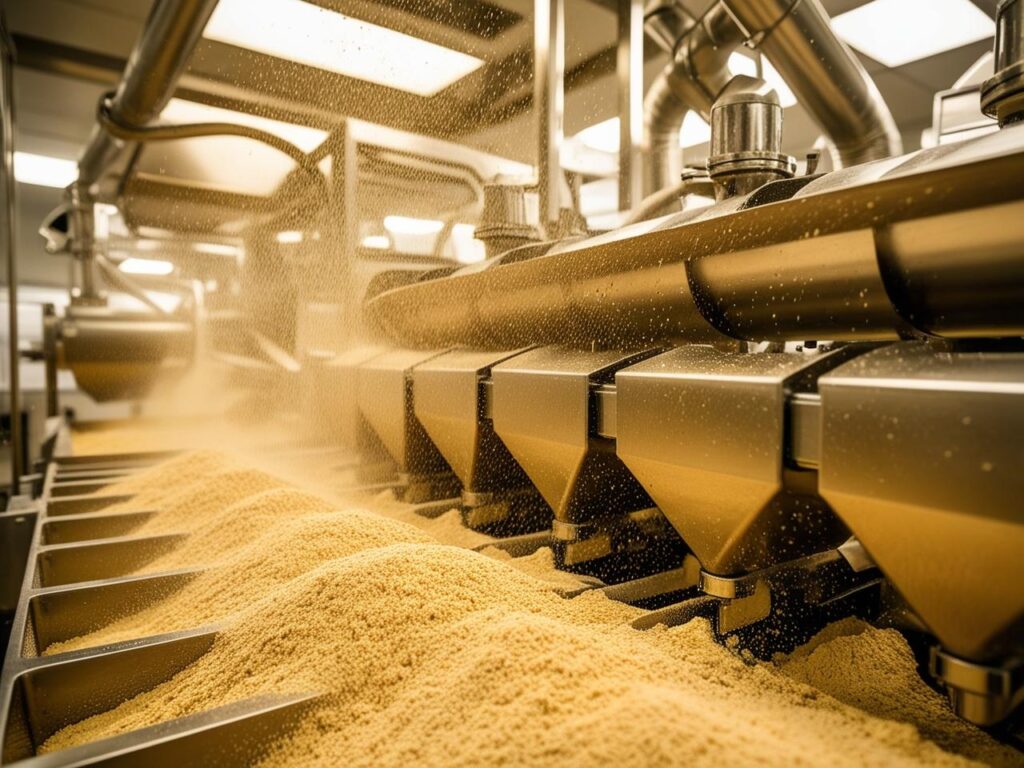
Capture dust generated during the transfer of bulk materials, such as grains, powders, and flakes.
Regulatory Landscape for Dust Control |
|---|
Food Safety Regulations |
Adherence to FDA and USDA standards |
Worker Health and Safety |
Compliance with OSHA regulations |
Fire and Explosion Prevention |
Implementation of NFPA standards |
Environmental Protection |
Product Quality and Consistency |
Reduced downtime and maintenance costs |
Dust Control Challenges |
|---|
Product Contamination |
Worker Health Risks |
Fire and Explosion Hazards |
Regulatory Compliance |
Cross-contamination |
Microbial Growth |
Adherence to strict food safety |
Reduced Product Quality |
Equipment Damage |
Key Considerations for Effective Dust Control |
|---|
Implement effective Dust capture |
Ensure proper airflow and pressure |
Dried milk products |
Utilize high-efficiency filtration systems |
Regular Maintenance and Inspection |
Adhere to industry standards |
Regularly assess dust control system |
Process-Specific Considerations |
Risk Assessment and Mitigation |
Connect with us for Expert Consultation
Explore Our Other Services !




Frequently Asked Questions
In food processing, common filtration systems include membrane filters (such as microfiltration, ultrafiltration, nanofiltration, and reverse osmosis), depth filters, activated carbon filters, and ultraviolet (UV) light systems. These technologies are employed to remove physical, chemical, and biological contaminants, ensuring product purity and safety.
Filtration systems ensure compliance with food safety standards by effectively removing contaminants, including microorganisms, particulates, and chemical residues, from raw materials and products. This purification process helps meet regulatory requirements and maintains high-quality standards in the final food products.
Filtration systems maintain product quality and consistency by removing unwanted particulates, microorganisms, and other contaminants from ingredients and final products. This ensures that each batch meets the desired purity and quality standards, leading to uniformity in taste, appearance, and safety across all products.
Food processing generates fumes, vapors, and organic odors that can affect workplace safety and surrounding environments. Advanced odor control technology, activated carbon filters, and scrubber systems help maintain cleaner and compliant operations.
A baghouse filter captures fine dust generated from flour, spices, sugar, starch, and powdered food materials. It improves hygiene, reduces dust accumulation, and supports efficient air pollution control.
An efficient industrial exhaust ventilation system removes heat, airborne particles, moisture, and fumes from production areas. This helps improve indoor air quality, worker comfort, and equipment reliability.
An activated carbon filter removes odors, volatile organic compounds, and harmful gases produced during food processing. It is widely used in air purification systems for better environmental compliance and cleaner operations.
A scrubber system helps control vapors, grease particles, odors, and gaseous pollutants generated during cooking and processing activities. It plays an important role in overall air pollution control for food industries.
Dust from flour, starch, milk powder, and spices can create hygiene issues, explosion risks, and unsafe working conditions. Proper baghouse filters and industrial exhaust ventilation systems help maintain safe and efficient operations.
Food plants can improve air pollution control by integrating baghouse filters, scrubber systems, activated carbon filters, and efficient ventilation systems. A properly designed APC system helps achieve cleaner production and better environmental compliance.
Case Study


 EN_US
EN_US  UR
UR  AR
AR  NL
NL  MS
MS  DE
DE  FR
FR  IT
IT  FA
FA  VI
VI  KO
KO  RU
RU  ID
ID  FIL
FIL  KK
KK  UZ
UZ  BG
BG  CS
CS  HU
HU  SL
SL  SV
SV  PL
PL  TR
TR  FI
FI  ES
ES