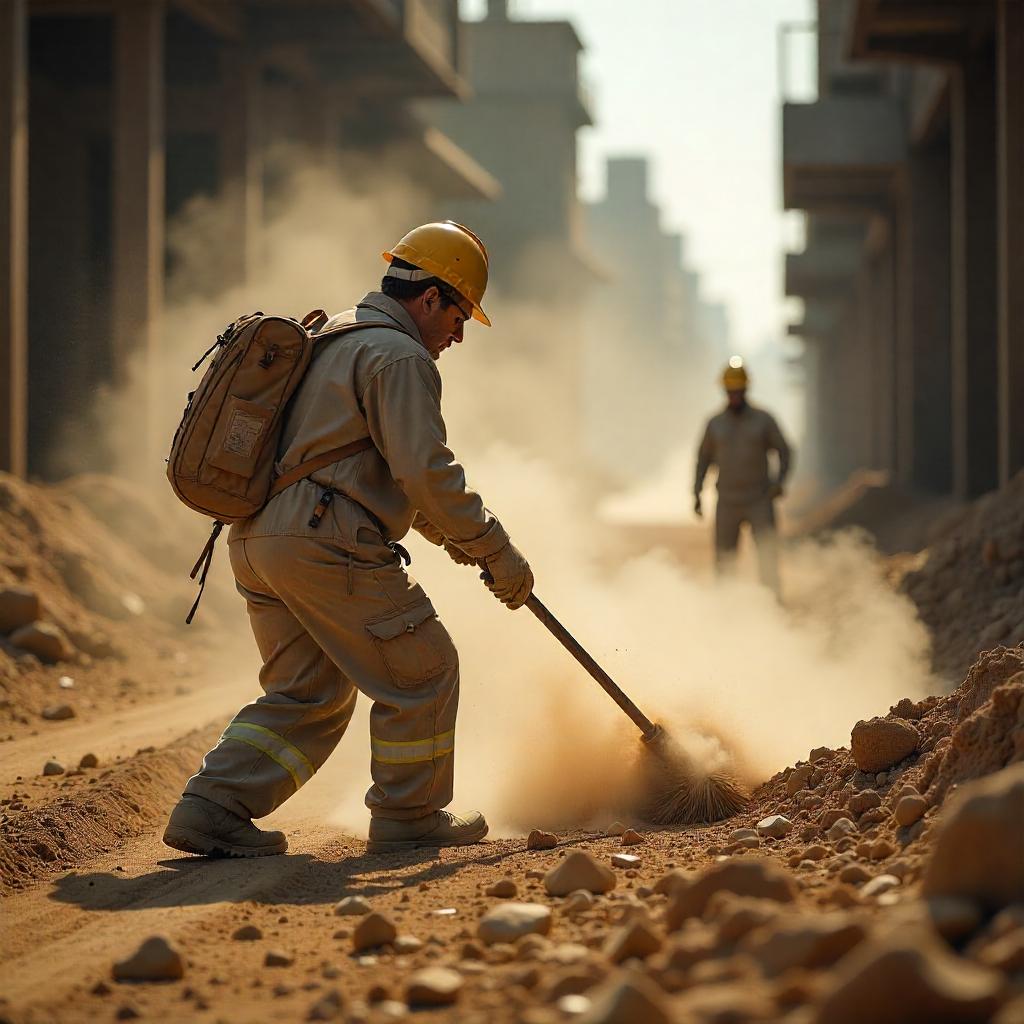
Dust and Its Significance
Dust is everywhere. It exists in nature and in places where people work. It can be found in homes, schools, and factories. Dust comes from many sources like soil, plants, and even human activities. It often becomes airborne and can travel long distances.
Understanding different types of dust is important. Some dust is harmless, while other types can be dangerous. For example, dust from construction sites can contain harmful particles. These particles can cause health problems if people breathe them in. Knowing about different dust types helps people stay safe.
In industrial settings, effective dust management systems are necessary. These systems help control dust levels. They keep the air cleaner and protect workers’ health. Without proper dust management, workers may face serious health risks. Dust can also damage equipment and reduce productivity. Thus, managing dust is crucial for a healthy work environment.
Classification of Dust Types
Dust can come from many places and can be made of different materials. People classify dust types based on where they come from and what they are made of. Here are the main types of dust:
- Natural Dust: This type of dust comes from nature. It can be made of soil, sand, and pollen. Natural dust often comes from the wind blowing these materials around.
- Industrial Dust: Industrial dust comes from factories and construction sites. It can include tiny particles from materials like wood, metal, and chemicals. This type of dust can be harmful to health.
- Household Dust: Household dust is what collects in homes. It is made up of tiny bits of skin, hair, pet dander, and fibers from clothes and furniture. This dust can be found in every room.
- Agricultural Dust: Agricultural dust comes from farms. It includes particles from soil, crops, and livestock. This dust can also contain pesticides or fertilizers used in farming.
- Volcanic Dust: Volcanic dust comes from eruptions of volcanoes. It is made of tiny pieces of rock and ash. This type of dust can travel long distances in the air.
- Atmospheric Dust: Atmospheric dust is made of particles that float in the air. It can come from various sources, including natural and human activities. This dust can affect air quality and weather.
Understanding these types of dust helps people know where it comes from and how it can affect health and the environment.
Health Implications of Various Dust Types
Dust types can affect health in different ways. Some dust can cause serious problems, while others may lead to minor issues. It is important to understand these effects to stay safe.
Here are some common types of dust and their health implications:
- Household Dust: This type of dust often contains allergens like pet dander and dust mites. Exposure can lead to sneezing, coughing, and itchy eyes. People with asthma may find it hard to breathe.
- Construction Dust: This dust comes from building sites. It can contain harmful particles like silica. Breathing in silica can cause lung diseases, such as silicosis. This disease can make it hard to breathe over time.
- Pollen Dust: Pollen comes from plants and can mix with other dust. Exposure can cause allergic reactions. Symptoms include runny nose, itchy throat, and headaches.
- Industrial Dust: This dust comes from factories and can contain chemicals. Breathing in this dust can cause serious health issues. It may lead to lung damage or other long-term problems.
- Wildfire Ash: Ash from wildfires can travel far and settle as dust. It can irritate the eyes, nose, and throat. People with respiratory issues should avoid it as it can make their symptoms worse.
Understanding the different types of dust can help people take steps to protect their health. Simple actions like cleaning and using air filters can reduce dust exposure.
Overview of Dust Collectors
Dust collectors are essential devices in industrial settings. They capture and filter dust particles from the air. This process improves air quality in workplaces. By doing so, dust collectors help companies follow health and safety regulations. They keep the air clean for workers. This is important for their health and safety. Dust collectors play a key role in creating a safe working environment.
Types of Dust Collectors
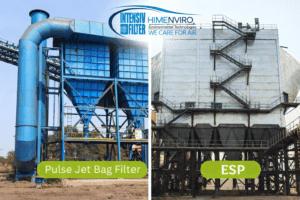
Types of Dust Collectors help remove dust and particles from the air. Dust collectors are important in many industries. They keep the air clean and safe for workers. Below is a table that compares different types of dust collectors, their mechanisms, and where they are used.
| Type of Dust Collector | Mechanism | Suitable Applications |
| Baghouse Collector | Uses fabric bags to filter dust from the air. Air goes through the bags, and dust stays inside. | Woodworking, metalworking, and food processing. |
| Cyclone Collector | Uses a spinning action to separate dust from the air. Dust goes to the bottom while clean air moves out. | Construction sites and mining. |
| Electrostatic Precipitator | Uses electric charges to attract dust. The dust sticks to plates and falls off. | Power plants and cement factories. |
| Cartridge Collector | Uses cylindrical filters to trap dust. Filters are easy to change. | Pharmaceutical and chemical manufacturing. |
| Portable Collector | Small and easy to move. It uses different filters to trap dust and particles. | Small workshops and home garages. |
Each type of dust collector has a different way of working. They all help keep the air clean. Each one is best for specific jobs. For example, a baghouse collector is great for woodworking because it handles large amounts of dust. Cyclone collectors are good for construction because they can handle bigger particles.
Selecting the Appropriate Dust Collector
Selecting the appropriate dust collector is important for keeping a clean workspace. When choosing a dust collector, he should think about several factors. Here are some key points to consider:
- Type of Dust: He should know the type of dust he needs to collect. Different dust types, like wood, metal, or plastic, may need different collectors.
- Size of Workspace: The size of the area affects the choice. A larger space may need a bigger dust collector to handle more dust.
- Airflow Requirements: He needs to check how much airflow is needed. More airflow helps collect dust more effectively.
- Filtration Efficiency: The filter quality is important. A good filter will catch small dust particles and keep the air clean.
- Noise Level: Some dust collectors are loud. He should consider how much noise is acceptable in his workspace.
- Portability: If he needs to move the dust collector often, he should look for a lighter, portable option.
- Budget: The cost matters. He should find a dust collector that fits his budget while still meeting his needs.
- Maintenance: He should think about how easy it is to clean and maintain the dust collector. Less maintenance is usually better.
By thinking about these points, he can choose the right dust collector for his needs.
Innovations in Dust Collection: Intensiv Filter Himenviro’s Solutions
Intensiv Filter Himenviro is a global leader in industrial filtration solutions. They use cutting-edge technology to improve dust collection in various industries. Their systems help keep the air clean and safe for workers and the environment. Intensiv Filter Himenviro is committed to sustainability. They create tailored solutions that meet the specific needs of different industries. This ensures that companies can comply with environmental regulations while maintaining high efficiency. Their innovations in dust collection play a vital role in promoting cleaner air and a healthier planet.
Conclusion
Understanding the different types of dust and their health implications is crucial for ensuring safety and well-being in various environments, from homes to industrial settings. Effective dust management systems, such as innovative dust collectors, play a vital role in maintaining air quality, protecting health, and improving productivity. By classifying dust types and addressing their specific risks, individuals and organizations can implement tailored solutions to reduce exposure and comply with safety standards. Companies like Intensiv Filter Himenviro exemplify the advancements in dust collection technology, fostering sustainable practices and promoting cleaner air for a healthier planet. Embracing these innovations is essential for a safer and more efficient future.

 EN_US
EN_US  UR
UR  AR
AR  NL
NL  MS
MS  DE
DE  FR
FR  IT
IT  FA
FA  VI
VI  KO
KO  RU
RU  ID
ID  FIL
FIL  KK
KK  UZ
UZ  BG
BG  CS
CS  HU
HU  SL
SL  SV
SV  PL
PL  TR
TR  FI
FI  ES
ES