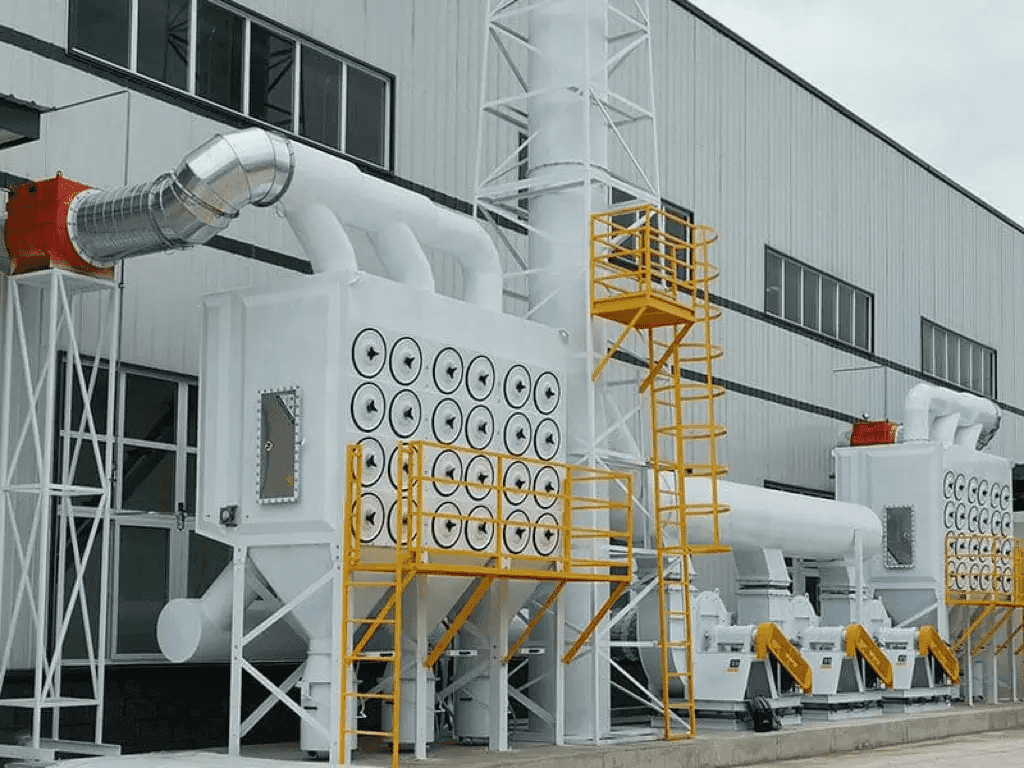
Coal Dust Hazards: Types, Hazards, Explosion Risk & Industrial Collection Methods
Coal remains one of the world’s most widely used fuels for power generation and industrial processes. Every day, millions of tonnes of coal are transported, crushed, conveyed, stored, and burned across power plants, cement facilities, steel plants, and industrial boilers. While these operations are essential for production, they also generate significant quantities of airborne coal dust.
For EHS managers and plant operators, coal dust is more than a housekeeping concern. Uncontrolled dust emissions can impact worker health, increase fire and explosion risks, accelerate equipment wear, and create environmental compliance challenges. Understanding how coal dust behaves and how it can be effectively controlled is critical for safe and reliable plant operation.
Understanding Coal Dust and Its Different Types
Coal dust is produced whenever coal is handled, crushed, screened, conveyed, or stored. The amount and characteristics of dust generated depend largely on the type of coal being processed.
Hard coal, often used in thermal power plants and industrial boilers, typically produces fine dust particles during crushing and conveying operations. Lignite coal, which contains higher moisture content, behaves differently but can still generate substantial airborne dust when dried or mechanically handled. Regardless of the coal grade, fine particles can easily become suspended in the air and travel throughout the facility if not properly controlled.
From a filtration and safety perspective, the most concerning particles are the finest fractions, as they remain airborne for longer periods and are more likely to contribute to dust cloud formation.
Typical Coal Dust Characteristics
| Property | Typical Range |
|---|---|
| Particle Size | 1–500 μm |
| Bulk Density | 700–900 kg/m³ |
| Combustibility | High |
| Abrasiveness | Moderate to High |
| Dust Cloud Formation | Easy |
| Explosion Potential | Present Under Certain Conditions |
Where Is Coal Dust Generated?
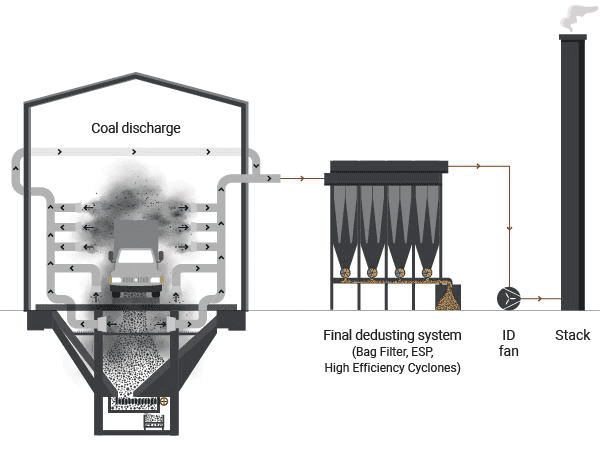
In most facilities, coal dust is generated long before combustion takes place. Significant dust emissions often originate within coal handling systems, where material is continuously transferred between conveyors, crushers, bunkers, silos, and storage yards.
Transfer towers are particularly common dust hotspots because falling coal creates turbulence that disperses fine particles into the surrounding air. Crushers and screening systems can further increase dust generation by reducing particle size and releasing previously trapped fines.
Even outdoor stockpiles can become a source of airborne dust during windy conditions, leading to environmental complaints and material loss. Over time, dust accumulation around structures, equipment, and electrical installations can create both operational and safety concerns.
Coal Dust Hazards Beyond Housekeeping
Many facilities still associate coal dust primarily with cleanliness issues. However, the consequences extend far beyond visible dust accumulation.
Fine coal particles can affect worker health through prolonged inhalation exposure, particularly in enclosed processing areas. Dust deposits can also infiltrate bearings, motors, instrumentation, and electrical systems, reducing equipment reliability and increasing maintenance requirements.
From an environmental perspective, uncontrolled emissions can contribute to regulatory non-compliance and community complaints. For plant operators focused on production continuity, these impacts often translate into increased downtime, higher maintenance costs, and avoidable operational risks.
Perhaps most importantly, accumulated coal dust can create conditions that support fire and explosion incidents if ignition sources are present.
Understanding Coal Dust Explosion Risks
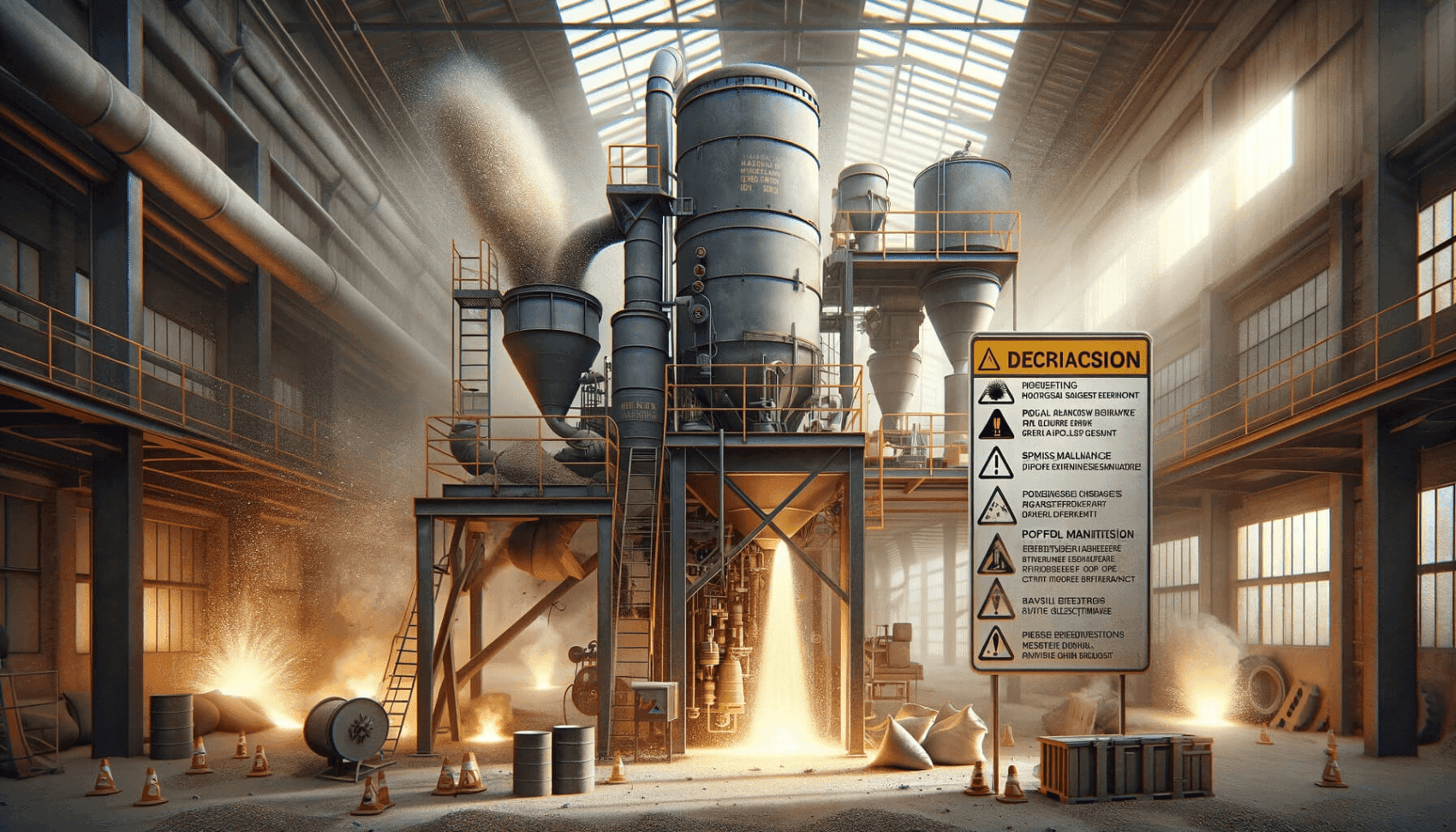
A coal dust explosion requires a specific combination of conditions, including combustible dust, oxygen, dispersion of dust particles, confinement, and an ignition source. While these conditions may not exist continuously, many industrial facilities contain areas where they can occur simultaneously.
Coal mills, transfer houses, silos, dust collectors, and enclosed conveyor galleries are often considered higher-risk locations because fine dust can accumulate over time while potential ignition sources remain present. Static electricity, overheated bearings, mechanical friction, hot surfaces, and electrical faults are among the most common ignition sources encountered in coal handling systems.
One of the greatest challenges with coal dust explosions is that the hazard often develops gradually. Dust layers that appear harmless can become airborne during maintenance activities, equipment failures, or sudden process disturbances, creating explosive dust clouds within seconds.
Why Effective Dust Collection Is Essential
Modern dust control strategies focus on capturing dust at its source before it spreads throughout the facility. This approach not only improves housekeeping but also reduces worker exposure, protects equipment, and minimizes the likelihood of combustible dust accumulation.
Well-designed dust collection systems create controlled airflow around transfer points, crushers, bunkers, and loading stations, preventing airborne particles from escaping into surrounding work areas. In addition to improving plant cleanliness, effective dust collection often contributes to improved operational efficiency by reducing material losses and lowering maintenance requirements.
As plants pursue stricter environmental and safety standards, dust collection is increasingly viewed as a critical process system rather than an auxiliary utility.
Bag Filters vs ESPs for Coal Dust Collection
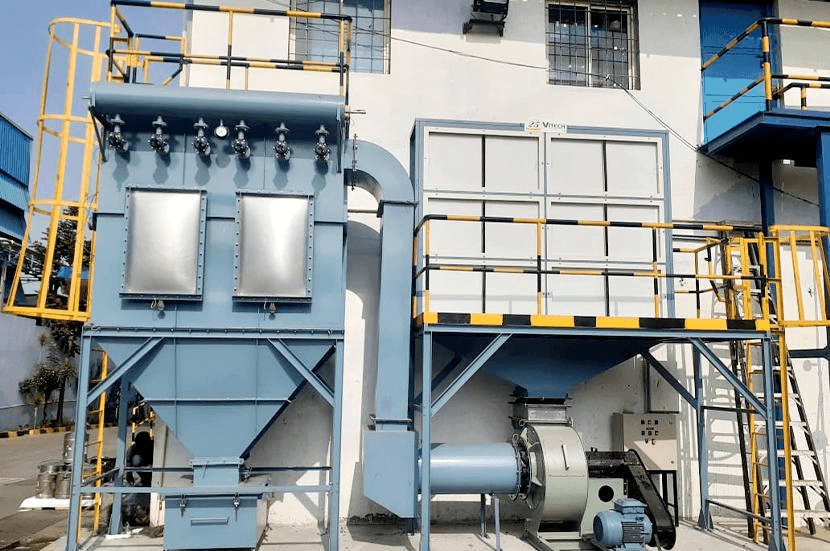
The choice between a Bag Filter and an Electrostatic Precipitator (ESP) depends largely on the application and performance requirements.
Bag Filters are widely used where very high particulate collection efficiency is required. Their ability to capture fine dust particles makes them particularly effective for coal handling systems, transfer points, crushing operations, and boiler applications where stringent emission limits must be achieved.
Electrostatic Precipitators, on the other hand, are commonly employed in large thermal power plants for flue gas treatment. ESPs are capable of handling high gas volumes with relatively low pressure drop and have long been a proven solution for controlling fly ash emissions from coal-fired boilers.
Many facilities today evaluate both technologies based on emission targets, operating costs, available space, maintenance requirements, and long-term environmental objectives.
What EHS and Procurement Teams Should Consider
Selecting a coal plant filtration system should involve more than comparing airflow capacity or equipment cost. Decision-makers should consider dust characteristics, explosion risks, emission requirements, maintenance accessibility, energy consumption, and lifecycle costs.
Systems that perform well under actual operating conditions often provide significantly greater value than solutions selected solely on initial capital expenditure. Evaluating supplier experience, filtration technology, safety features, and after-sales support can help facilities achieve both compliance and long-term reliability.
For industries handling large volumes of coal, dust collection should be viewed as a strategic investment in safety, environmental performance, and operational continuity.
Conclusion
Coal dust remains one of the most common industrial dust hazards across power generation, cement manufacturing, steel production, and bulk material handling facilities. While often overlooked as a routine by-product of coal processing, airborne dust can create serious health, environmental, operational, and explosion-related risks when left unmanaged.
By combining effective housekeeping practices with properly engineered dust collection systems such as Bag Filters and ESPs, facilities can significantly reduce coal dust hazards while improving safety, compliance, and plant performance.
As environmental standards become increasingly stringent and production demands continue to grow, proactive dust management is no longer optional—it is an essential component of modern industrial operations.
Explore More from Our Dust Encyclopedia
Discover expert insights on combustible dusts, filtration technologies, emission control systems, and industrial safety practices across power generation, cement, steel, food, and process industries.
Subscribe to our newsletter for the latest updates on industrial filtration, dust collection, and air pollution control technologies.
Frequently Asked Questions
Is coal dust combustible?
Yes. Fine coal dust is combustible and can contribute to fire and explosion incidents when dispersed in air and exposed to a suitable ignition source.
Which areas generate the most coal dust?
Coal crushers, conveyor transfer points, bunkers, silos, stockpiles, and loading stations are among the most common dust-generating locations.
What is the difference between hard coal dust and lignite dust?
Hard coal typically produces finer, drier dust particles, while lignite contains higher moisture content but can still create significant dust emissions during handling and processing.
Which filtration system is better for coal applications?
Both Bag Filters and ESPs are widely used. The most suitable solution depends on the application, emission requirements, dust characteristics, and operating conditions.
Can coal dust cause equipment failures?
Yes. Dust infiltration can damage bearings, motors, electrical components, sensors, and other critical equipment, leading to increased maintenance and downtime.
 EN_US
EN_US  UR
UR  AR
AR  NL
NL  MS
MS  DE
DE  FR
FR  IT
IT  FA
FA  VI
VI  KO
KO  RU
RU  ID
ID  FIL
FIL  KK
KK  UZ
UZ  BG
BG  CS
CS  HU
HU  SL
SL  SV
SV  PL
PL  TR
TR  FI
FI  ES
ES