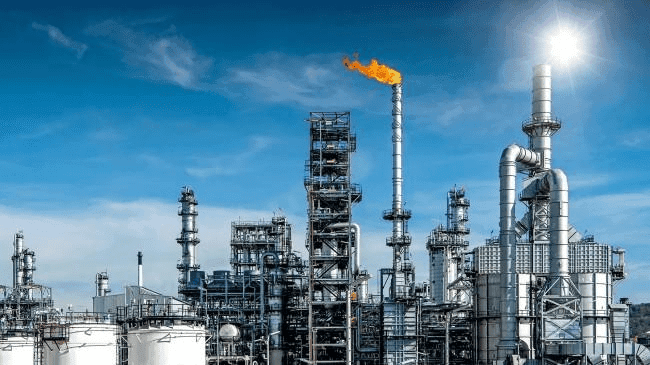
Filtration & Gas Cleaning for Oil Refineries: Technologies & Compliance
Oil refineries operate some of the most complex industrial processes in the world. From crude oil distillation and catalytic cracking to storage, loading, and product handling operations, each stage generates emissions that must be effectively controlled to protect equipment, workers, and the environment.
As environmental regulations become more stringent, refinery operators are increasingly investing in advanced gas cleaning and filtration technologies. Beyond compliance, these systems help improve process reliability, reduce maintenance requirements, and support long-term operational efficiency.
For Process Engineers, selecting the right emission control technology is essential to achieving both production and environmental objectives.
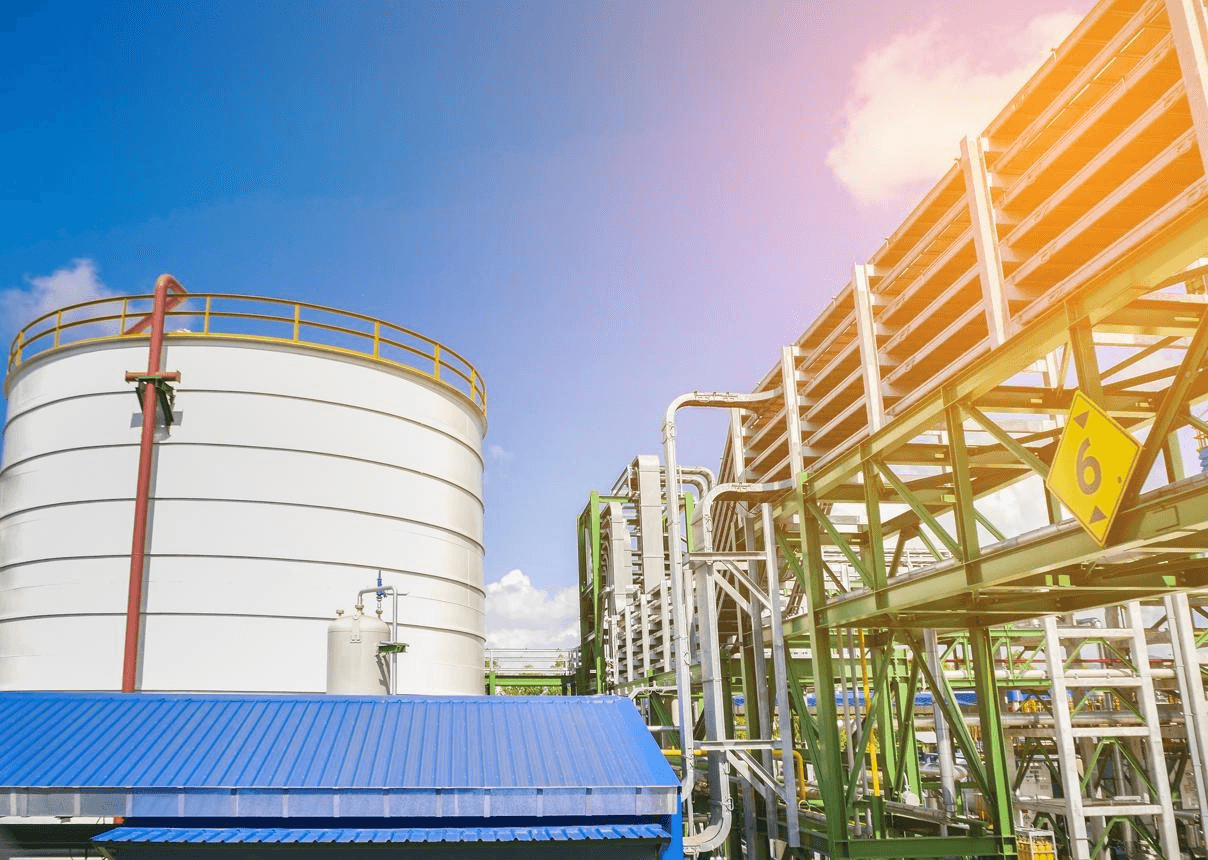
Why Filtration Matters in Oil Refineries
Refineries generate a wide range of pollutants including particulate matter, sulfur compounds, acidic gases, hydrocarbons, and volatile organic compounds (VOCs). If left untreated, these emissions can affect air quality, create safety concerns, and expose facilities to regulatory penalties.
Effective oil refinery filtration systems help capture contaminants before they are released into the atmosphere, ensuring cleaner operations while supporting compliance with environmental standards.
In modern facilities, filtration is no longer viewed as a standalone environmental system—it is an integral part of refinery performance.
Key Emission Challenges in Refineries
Different refinery processes generate different emission profiles. Fluid catalytic cracking units, sulfur recovery units, storage tanks, loading terminals, and process heaters all present unique air pollution control challenges.
Particulate matter generated during catalyst handling and process operations must be effectively captured, while gaseous pollutants often require specialized treatment technologies. VOC emissions from storage and transfer operations are another major focus area because of their environmental and regulatory impact.
The diversity of refinery emissions is why multiple gas cleaning technologies are often used within a single facility.
The Role of Bag Filters
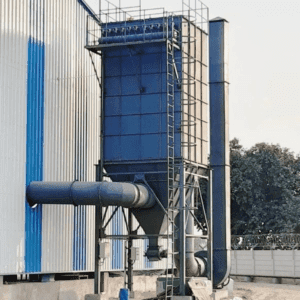
Bag Filters are commonly used where fine particulate matter must be removed from process gas streams. Their high collection efficiency makes them suitable for applications involving catalyst dust, process particulates, and other fine contaminants generated during refinery operations.
Modern Bag Filter systems provide reliable performance while helping facilities achieve stringent emission targets. When properly designed, they can significantly reduce particulate emissions and improve overall air quality within the facility.
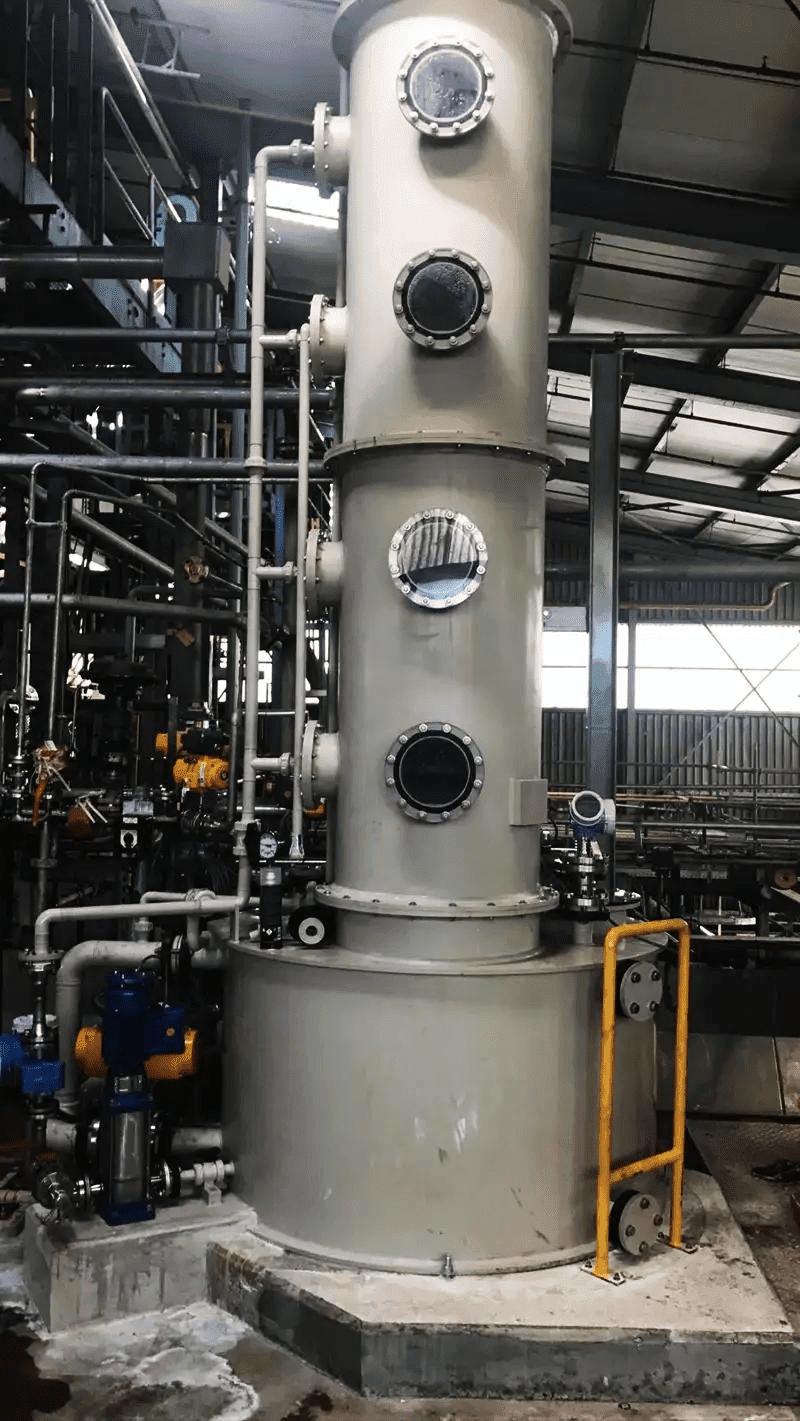
Why Scrubbers Are Widely Used
Scrubbers play a critical role in refinery air pollution control because they are capable of removing gaseous pollutants that cannot be effectively captured by particulate filtration systems.
By bringing contaminated gas streams into contact with a liquid medium, scrubbers can remove sulfur compounds, acidic gases, and other process emissions before discharge. This makes them particularly valuable in applications where chemical absorption is required to meet environmental limits.
For many refineries, scrubber systems remain one of the most effective solutions for controlling process-related gaseous emissions.
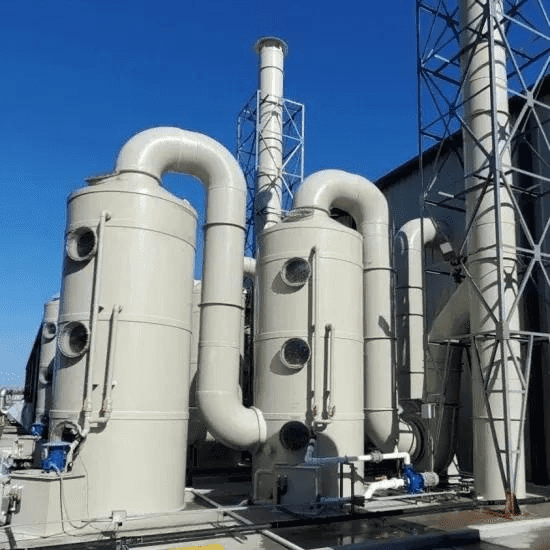
VOC Control Systems and Compliance
Volatile Organic Compounds are among the most closely monitored refinery emissions. These compounds are generated during storage, loading, transfer, and processing operations and can contribute to environmental and health concerns if not properly managed.
Modern VOC systems are designed to capture and treat hydrocarbon vapors before they enter the atmosphere. Depending on the application, technologies may include adsorption systems, thermal oxidation, vapor recovery units, or integrated VOC treatment solutions.
As regulatory requirements continue to evolve, VOC management has become a key compliance priority for refinery operators worldwide.
What Process Engineers Should Consider
Selecting the right refinery scrubber or filtration system requires more than comparing equipment specifications.
Process Engineers should evaluate contaminant characteristics, gas flow rates, operating temperatures, maintenance requirements, energy consumption, and lifecycle costs. The most effective solution is one that integrates seamlessly with refinery operations while providing reliable long-term performance.
Working with experienced air pollution control specialists can help ensure that filtration and gas cleaning systems are properly matched to process requirements and environmental objectives.
Conclusion
Modern oil refinery filtration and gas cleaning systems play a critical role in maintaining compliance, improving reliability, and supporting sustainable operations.
By combining technologies such as Bag Filters, Scrubbers, and VOC Control Systems, refineries can effectively manage both particulate and gaseous emissions while meeting increasingly demanding environmental standards.
As emission regulations continue to tighten globally, investing in the right filtration strategy is becoming an essential part of refinery competitiveness and operational excellence.
Frequently Asked Questions
What pollutants are commonly generated in oil refineries?
Refineries typically generate particulate matter, sulfur compounds, acidic gases, hydrocarbons, and volatile organic compounds (VOCs).
Why are scrubbers used in refineries?
Scrubbers remove gaseous pollutants such as sulfur compounds and acidic gases that cannot be effectively captured by particulate filtration systems.
What is the purpose of a VOC control system?
VOC systems capture and treat hydrocarbon vapors generated during storage, transfer, and processing operations to support environmental compliance.
Are Bag Filters used in refineries?
Yes. Bag Filters are commonly used to capture fine particulate matter generated during catalyst handling and other refinery processes.
How can refineries improve emission compliance?
By implementing properly designed filtration, scrubber, and VOC treatment systems that are matched to specific process and regulatory requirements.
 EN_US
EN_US  UR
UR  AR
AR  NL
NL  MS
MS  DE
DE  FR
FR  IT
IT  FA
FA  VI
VI  KO
KO  RU
RU  ID
ID  FIL
FIL  KK
KK  UZ
UZ  BG
BG  CS
CS  HU
HU  SL
SL  SV
SV  PL
PL  TR
TR  FI
FI  ES
ES