Cement Dust: Hazards, Control & Filtration Systems in Modern Cement Plants
Krótki przegląd
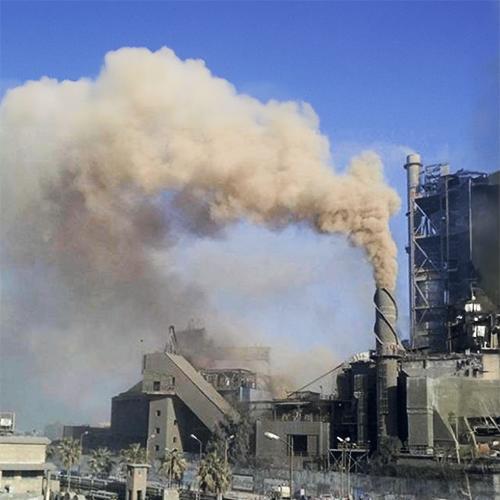
Cement dust is one of the most challenging particulate emissions in the cement industry. Generated across crushing, raw milling, kiln operation, clinker cooling, and cement grinding, it affects emission compliance, equipment reliability, worker safety, and operating costs.
- ✓Highly abrasive particulate causes equipment wear
- ✓Fine particles are difficult to capture
- ✓Poor filtration increases Differential Pressure (ΔP)
- ✓Cement kiln emissions require effective dust collection systems
- ✓Bag Filters and Electrostatic Precipitators (ESPs) are the most common filtration technologies
Why Cement Dust Is a Serious Plant Challenge
Cement manufacturing involves multiple dust-generating processes operating under high temperatures and varying load conditions. Unlike ordinary industrial dust, cement dust is continuously generated and contains fine abrasive particles that can quickly impact plant performance if not controlled effectively.
For EHS managers and plant operators, cement plant dust is more than an environmental concern. It directly influences:
- ✓Emission compliance
- ✓Housekeeping standards
- ✓Equipment reliability
- ✓Zużycie energii
- ✓Worker safety
Without proper filtration, dust accumulation can create both operational and regulatory challenges.
Key Properties of Cement Dust
Fine Particle Size
A large percentage of cement dust consists of PM10 and PM2.5 particles.
These ultra-fine particles remain suspended in the air and are difficult to capture without an efficient dust collection system.
- ✓Higher stack emissions
- ✓Reduced air quality
- ✓Increased filter loading
- ✓Dust leakage
Abrasive Nature
Cement dust contains silica, clinker particles, and mineral compounds that continuously impact filtration equipment.
- ✓Filter bag wear
- ✓Fan blade erosion
- ✓Rotary valve damage
- ✓Ductwork deterioration
High Dust Loading
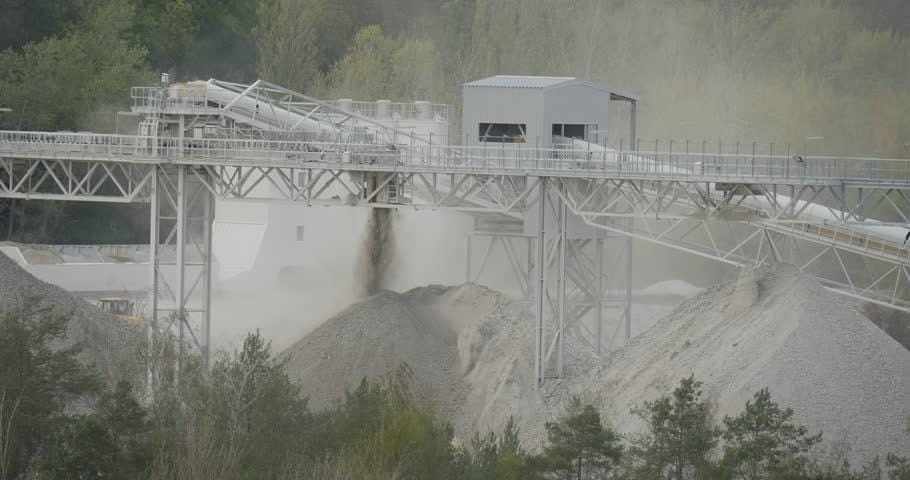
Processes such as clinker cooling and cement grinding generate large dust volumes.
- ✓Rising Differential Pressure (ΔP)
- ✓Reduced airflow
- ✓Higher fan power consumption
Variable Temperature Conditions
Dust collection systems around kilns and clinker coolers often operate under elevated temperatures.
- ✓Degradacja mediów filtracyjnych
- ✓Reduced bag life
- ✓Condensation-related issues
Operational Hazards of Cement Dust
Wysoka różnica ciśnień (ΔP)
One of the most common issues in cement plant filtration systems is rising Differential Pressure.
- ✓Oślepianie torbą
- ✓Sticky dust accumulation
- ✓Poor pulse cleaning
- ✓Hopper evacuation problems
- ✓Higher fan power consumption
- ✓Reduced airflow
- ✓Increased maintenance frequency
- ✓Reduced filtration efficiency
Equipment Wear
The abrasive nature of cement dust continuously attacks:
- ✓Filter bags
- ✓Kanały
- ✓Fani
- ✓Rotary valves
- ✓Screw conveyors
Over time, this leads to higher maintenance costs and shorter equipment life.
Emission Compliance Risks
Poor filtration performance can result in:
- ✓High stack emissions
- ✓Environmental penalties
- ✓Increased inspections
- ✓Compliance challenges
With increasingly stringent CPCB norms, stable filtration performance has become critical for cement plants.
Cement Kiln Emissions and Their Impact
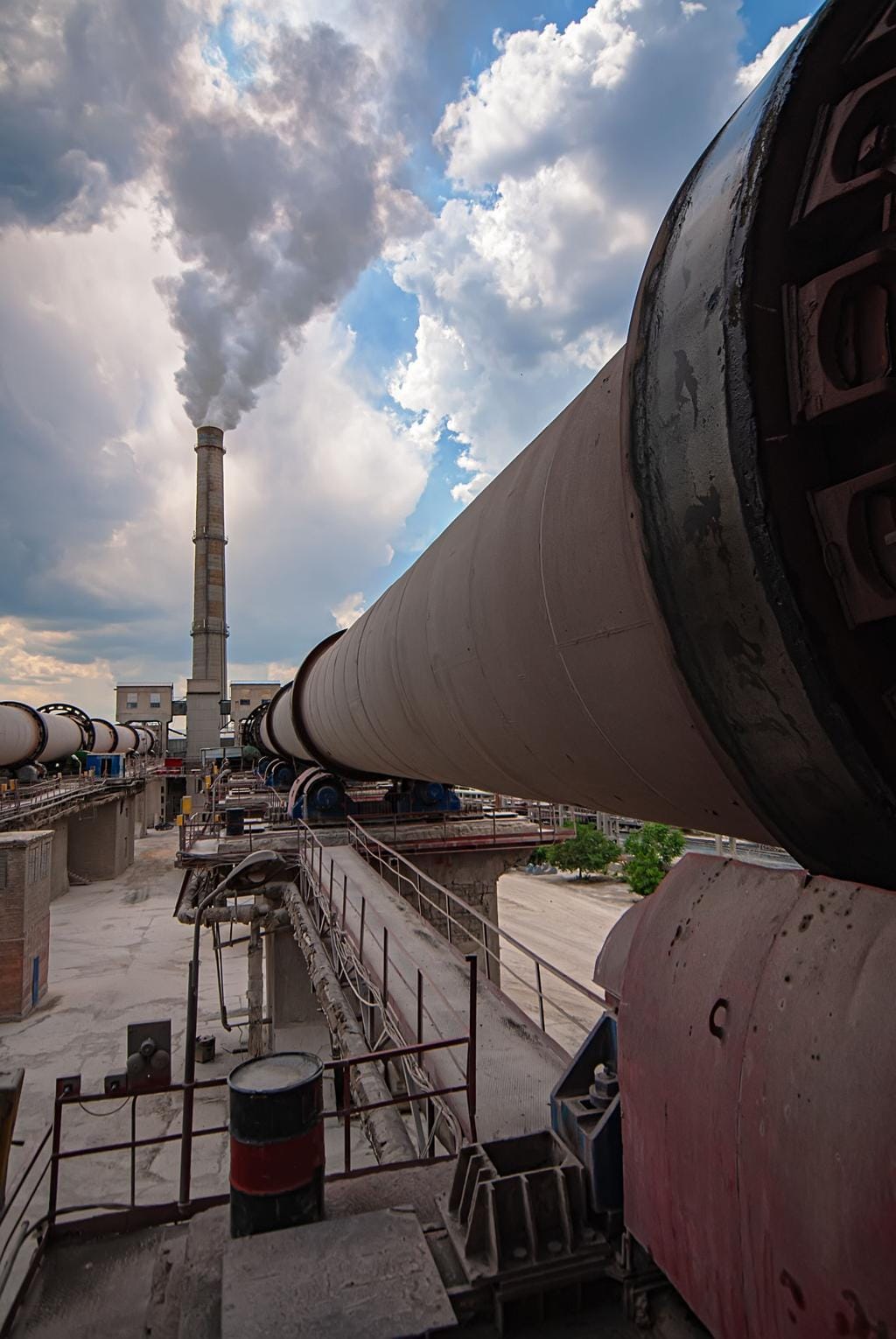
The kiln is one of the largest sources of particulate emissions in a cement plant.
Cement kiln emissions typically contain:
- ✓Drobne cząstki stałe
- ✓High-temperature dust
- ✓Variable moisture content
- ✓Process-related contaminants
Managing these emissions requires filtration systems capable of maintaining stable performance despite process fluctuations.
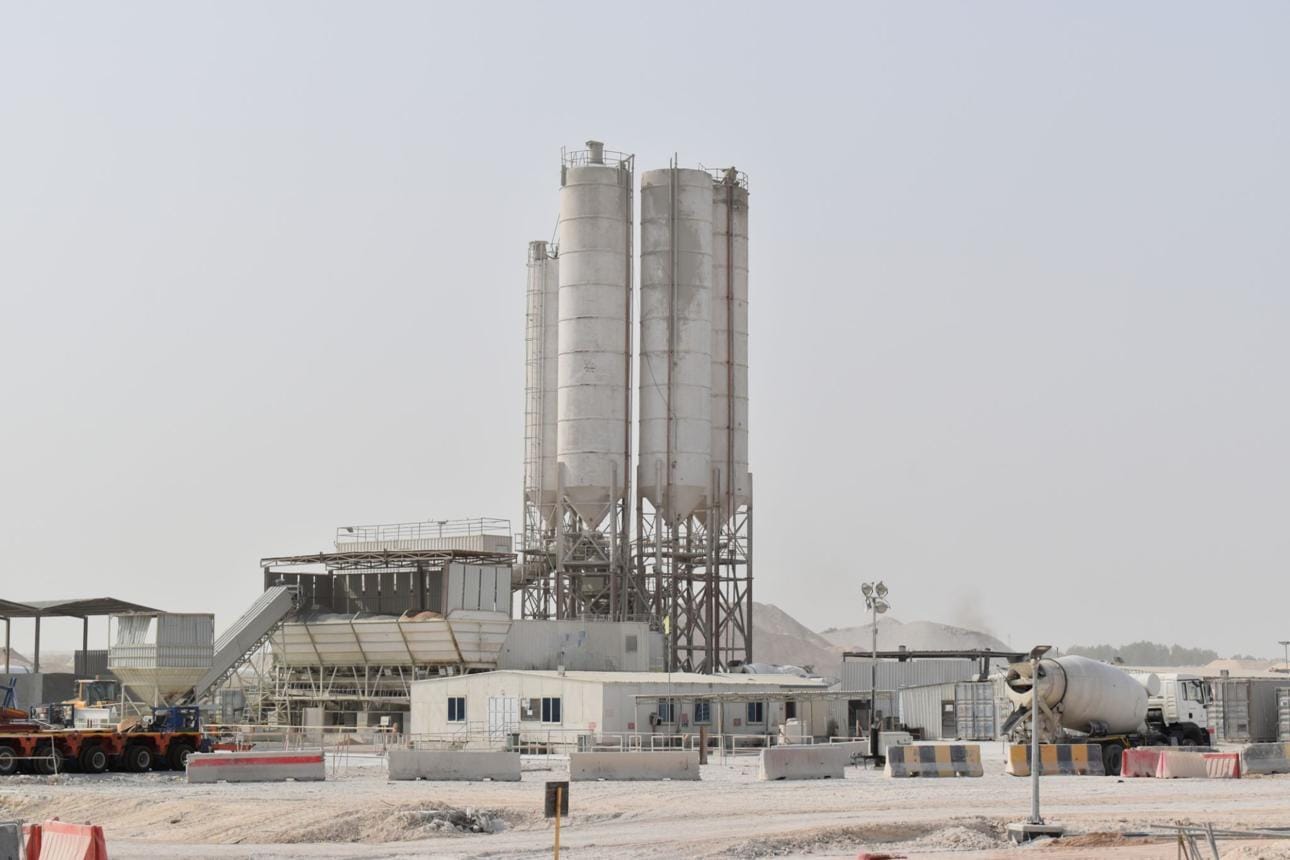
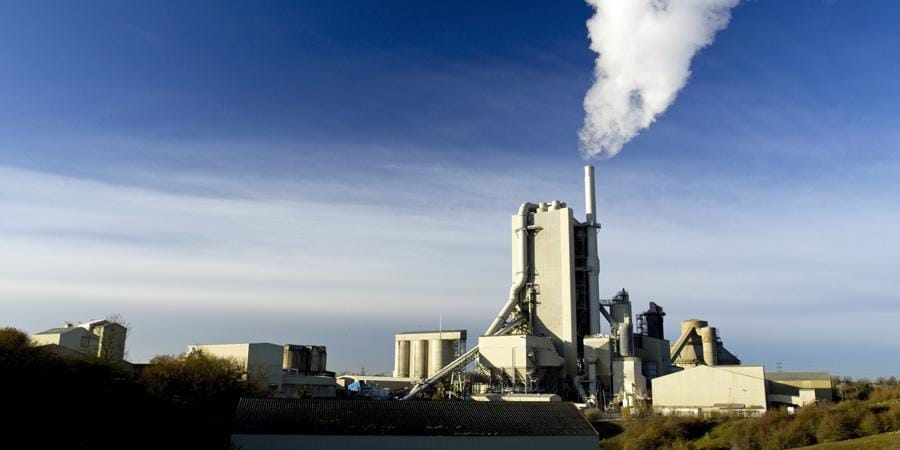
Filtration Technologies Used in Cement Plants
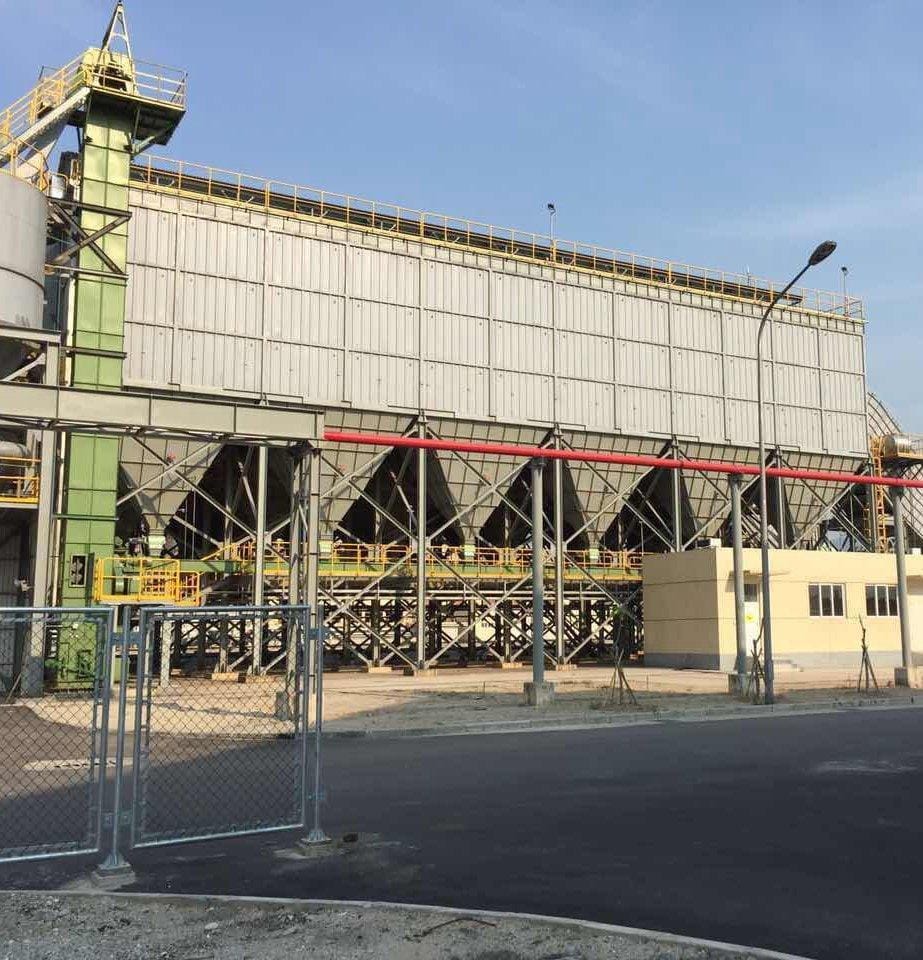
Filtry workowe Pulse Jet
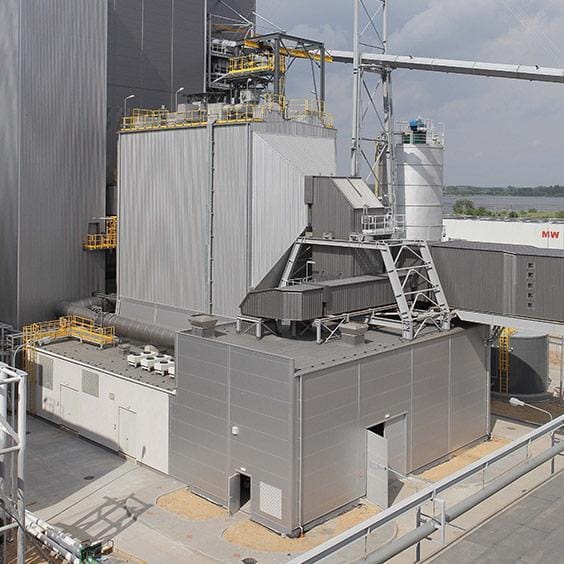
Pulse Jet Bag Filters are among the most widely used filtration systems in cement manufacturing.
- ✓Wysoka wydajność zbierania pyłu
- ✓Effective capture of fine particulate matter
- ✓Continuous operation
- ✓Suitable for cement mills, clinker coolers, and packing plants
- ✓High compressed air consumption
- ✓Abrasive bag wear
- ✓Improper pulse settings
- ✓Oślepianie torbą
Maintaining proper Air-to-Cloth Ratio and pulse cleaning efficiency is critical for long-term performance.
Electrostatic Precipitators (ESP)
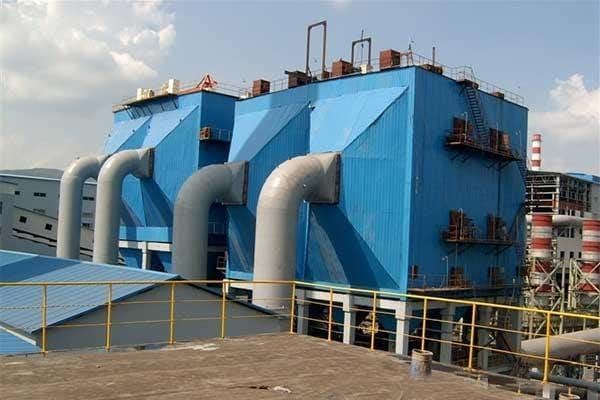
Many cement plants continue to use Electrostatic Precipitators, particularly in kiln and raw mill applications.
- ✓Niski spadek ciśnienia
- ✓Suitable for high-temperature gases
- ✓Lower fan energy requirements
- ✓Sensitive to dust resistivity
- ✓Performance variation during load changes
- ✓Reduced efficiency under fluctuating conditions
Many plants evaluate ESP retrofits when emission requirements become more stringent.
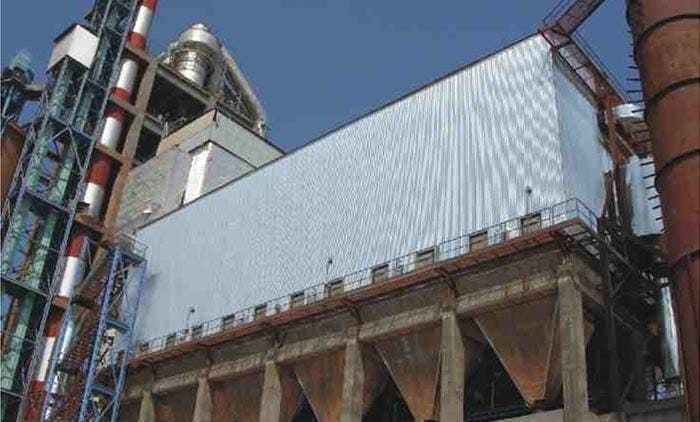
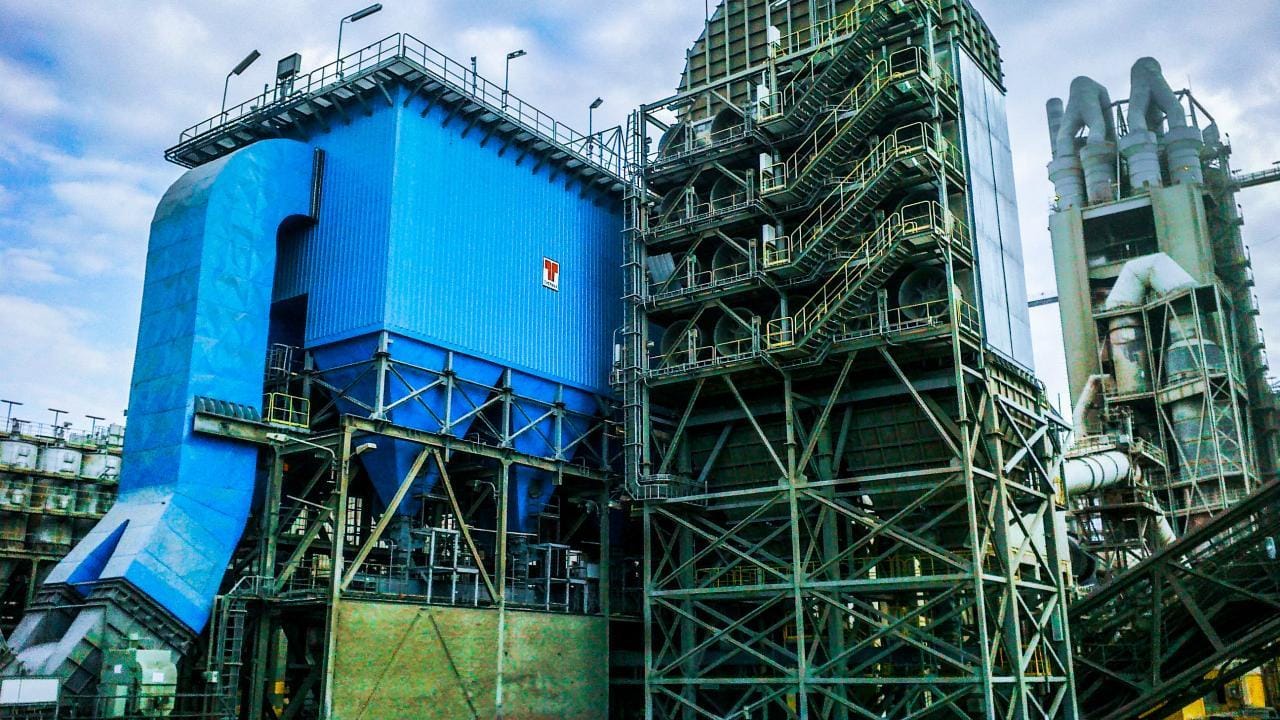
Key Engineering Parameters for Effective Dust Collection
Stosunek powietrza do tkaniny
Air-to-Cloth Ratio directly influences:
- ✓Filtration efficiency
- ✓Bag life
- ✓Różnica ciśnień
A high Air-to-Cloth Ratio can lead to premature bag wear and unstable system performance.
Differential Pressure (ΔP)
Differential Pressure is one of the most important indicators of filtration system health.
A rising ΔP often indicates:
- ✓Oślepianie torbą
- ✓Hopper blockage
- ✓Pulse cleaning inefficiency
- ✓Dust accumulation
Regular monitoring helps maintenance teams identify issues before major failures occur.
Pulse Cleaning Efficiency
Efficient pulse cleaning helps maintain:
- ✓Lower compressed air consumption
- ✓Stable airflow
- ✓Reduced operating costs
- ✓Longer filter bag life
Advanced cleaning technologies such as IFH’s patented Coanda Injector technology are designed to improve pulse air distribution and cleaning consistency.
How Intensiv Filter Himenviro Supports Cement Plants
Intensiv Filter Himenviro provides engineered air pollution control solutions for cement applications, including:
- ✓Filtry workowe Pulse Jet
- ✓Elektrofiltry
- ✓ESP Retrofit Solutions
- ✓Systemy odpylania
- ✓Filter Bags and Cages
- ✓System Performance Optimization
With more than 100 years of filtration expertise and over 70,000 installations worldwide, IFH focuses on improving emission compliance, operational reliability, energy efficiency, and lifecycle performance.
Wniosek
Cement dust is not only an environmental challenge but also a significant operational concern. Its fine particle size, abrasive nature, and continuous generation can increase Differential Pressure, accelerate equipment wear, and affect emission compliance.
Effective dust control requires the right combination of filtration technology, optimized pulse cleaning, proper Air-to-Cloth Ratio, and continuous system monitoring.
As cement plants continue to face stricter emission regulations and increasing operational demands, engineered filtration solutions remain a key part of maintaining reliable and sustainable plant performance.
Frequently Asked Questions (FAQ)
What is cement dust?
Cement dust is fine particulate matter generated during crushing, grinding, kiln operation, clinker cooling, and cement handling processes.
Why is cement dust difficult to control?
Its fine particle size, abrasive nature, and continuous generation make filtration more challenging than many other industrial dusts.
Which filtration technology is commonly used in cement plants?
Pulse Jet Bag Filters and Electrostatic Precipitators (ESPs) are the most widely used dust collection systems.
Why is Differential Pressure (ΔP) important?
Differential Pressure indicates filtration system health and directly affects airflow, energy consumption, and filter bag life.
How can cement plants reduce dust-related operating costs?
By optimizing filtration design, improving pulse cleaning efficiency, monitoring ΔP, and implementing preventive maintenance programs.
Read Related Case Study
Want to see how a cement plant improved emission compliance and reduced operating costs through filtration optimization?

 PL
PL  EN_US
EN_US  UR
UR  AR
AR  NL
NL  MS
MS  DE
DE  FR
FR  IT
IT  FA
FA  VI
VI  KO
KO  RU
RU  ID
ID  FIL
FIL  KK
KK  UZ
UZ  BG
BG  CS
CS  HU
HU  SL
SL  SV
SV  TR
TR  FI
FI  ES
ES