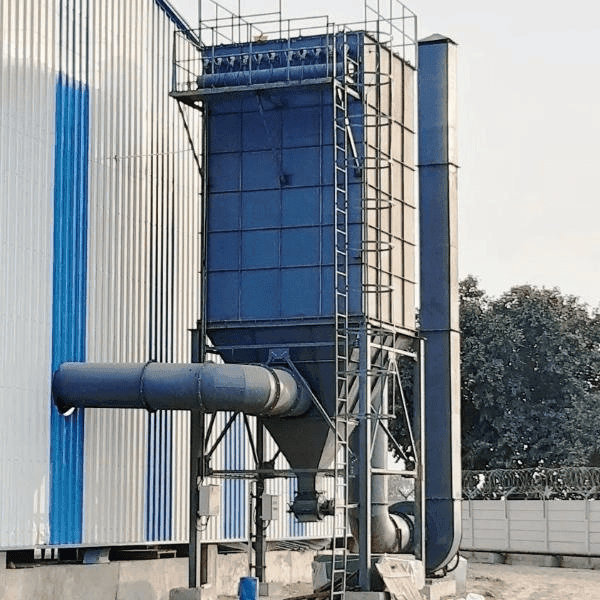
Industrial Bag Filter Supplier for Steel & Metal Industry: Selection Criteria
In the steel and metal industry, dust collection is not just an environmental requirement—it’s essential for plant reliability, worker safety, and regulatory compliance.
From raw material handling and sinter plants to furnaces and metal processing operations, large volumes of dust and fumes are generated daily. Selecting the right bag filter supplier can significantly impact emissions, maintenance costs, and long-term operational performance.
For Procurement Heads, the focus should be on choosing a supplier that delivers proven results, not just equipment.
Why Supplier Selection Matters
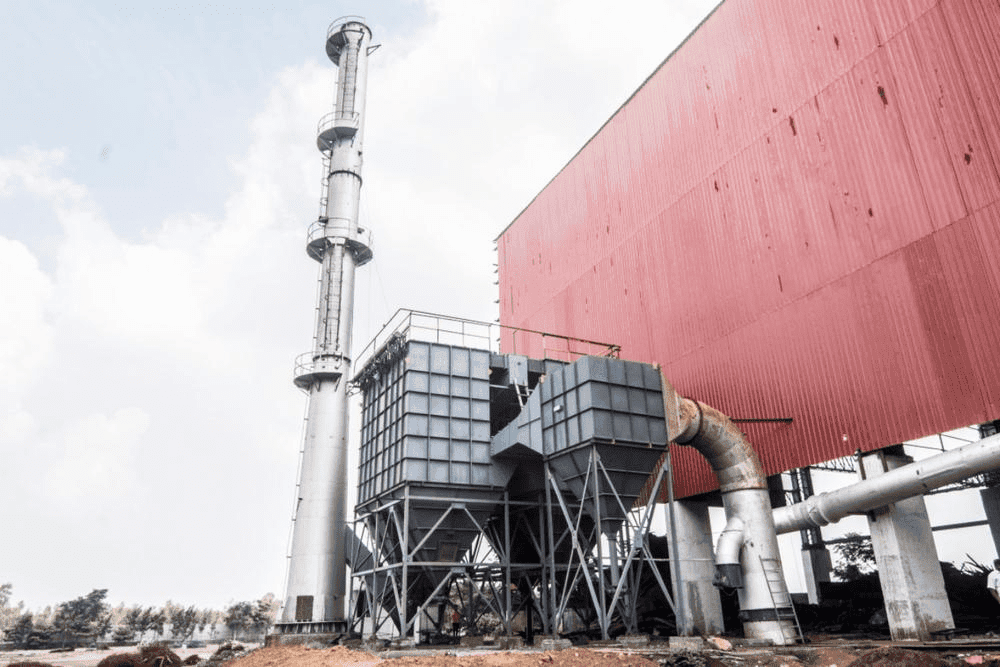
A bag filter operates under demanding conditions in steel plants, including high temperatures, abrasive dust, and continuous production cycles.
The right supplier understands these challenges and designs systems specifically for the application. A poor design can result in frequent bag failures, high pressure drop, increased power consumption, and costly downtime.
This is why supplier expertise often matters more than the initial equipment price.
What Procurement Teams Should Evaluate
When comparing suppliers, look beyond commercial quotations.
Evaluate their experience in steel and metal applications, reference installations, engineering capability, emission guarantees, after-sales support, and availability of spare parts. A supplier with strong industry knowledge can often prevent costly operational issues before they occur.
Ask whether they have successfully completed similar projects and whether they can support both new installations and retrofit requirements.
Bag Filter or ESP?
Many steel plants use both technologies depending on the application.
While ESPs are suitable for certain high-volume gas streams, modern bag filters are often preferred when very low emission levels are required. Advances in filter media technology have made baghouses an increasingly popular choice for steel manufacturers seeking long-term compliance.
An experienced supplier should be able to recommend the most suitable technology based on process conditions rather than simply promoting one product.
Why Lifecycle Cost Is Important
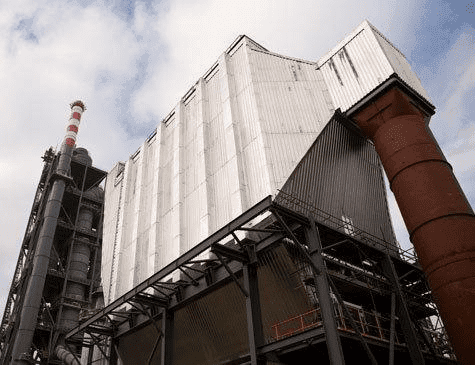
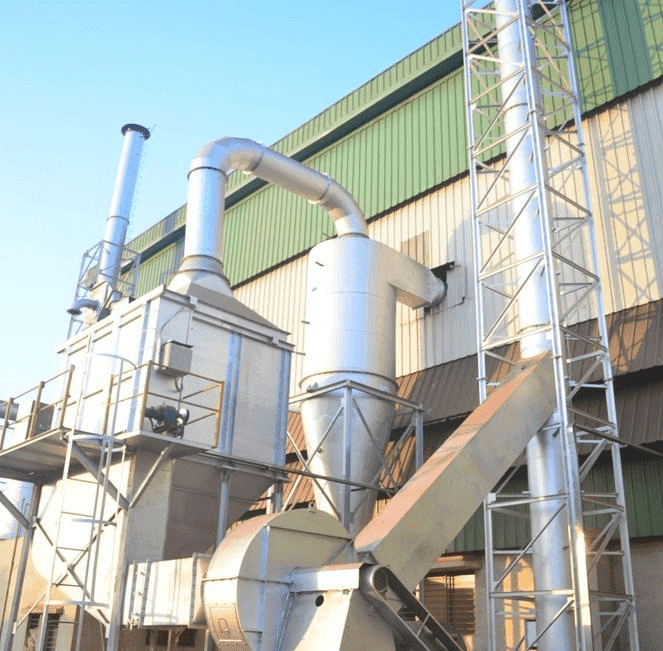
The lowest purchase price does not always deliver the lowest operating cost.
Maintenance expenses, filter replacement frequency, energy consumption, and downtime can significantly impact the overall cost of ownership. Procurement teams should evaluate lifecycle performance rather than focusing only on capital investment.
A well-designed system often delivers substantial savings over its operating life.
Why Leading Steel Plants Choose IFH
With decades of experience in industrial air pollution control, IFH provides customized filtration solutions for steel, cement, power, and process industries.
Our engineering teams design systems that deliver reliable performance under demanding operating conditions while supporting compliance with evolving environmental regulations. From engineering and manufacturing to commissioning and service support, IFH offers complete project assistance throughout the equipment lifecycle.
Ostatnie myśli
Selecting a bag filter supplier is a long-term investment that directly affects emissions, operating costs, and plant reliability.
The best choice is a supplier with proven industry experience, strong engineering capability, reliable service support, and a track record of successful installations. By focusing on lifecycle value rather than purchase price alone, steel plants can achieve better performance and long-term operational benefits.
Request a Proposal
Looking for a reliable bag filter supplier for your steel plant?
Contact IFH for a customized proposal and download our Technical Specifications Guide to evaluate the right filtration solution for your application.
Często zadawane pytania
What should I consider when selecting a bag filter supplier?
Industry experience, project references, engineering expertise, emission guarantees, service support, and lifecycle cost.
Are bag filters suitable for steel plants?
Yes. Modern bag filters are widely used in steel plants because they provide high collection efficiency and support strict emission compliance.
Can existing filtration systems be upgraded?
Yes. Many bag filters and ESP systems can be retrofitted to improve performance and meet new environmental requirements.
Why is lifecycle cost important?
Because maintenance, energy consumption, spare parts, and downtime costs often exceed the initial equipment investment over time.
 PL
PL  EN_US
EN_US  UR
UR  AR
AR  NL
NL  MS
MS  DE
DE  FR
FR  IT
IT  FA
FA  VI
VI  KO
KO  RU
RU  ID
ID  FIL
FIL  KK
KK  UZ
UZ  BG
BG  CS
CS  HU
HU  SL
SL  SV
SV  TR
TR  FI
FI  ES
ES