Steel Plant Fume Extraction: Technology & Compliance Guide
How EHS Managers Can Improve Workplace Safety, Emission Compliance, and Operational Efficiency Through Effective Fume Extraction Systems
Giới thiệu
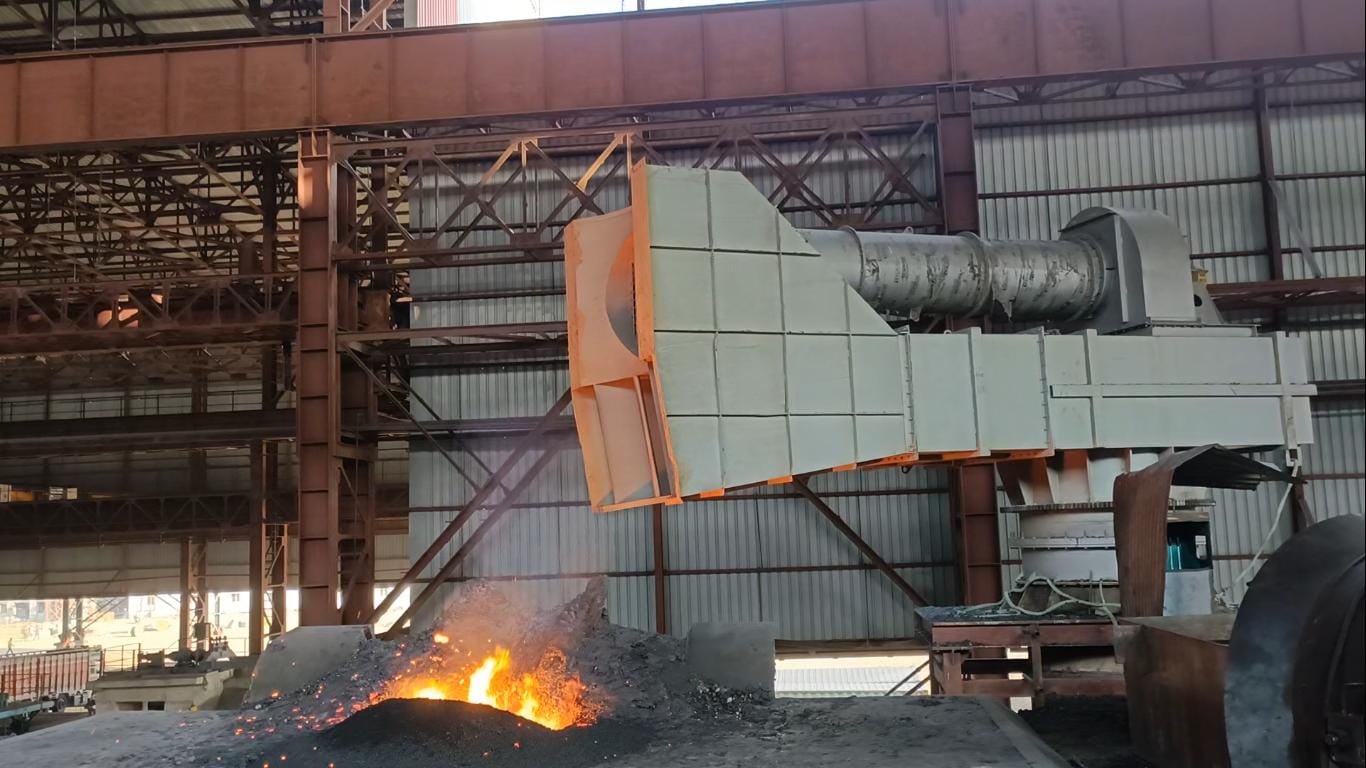
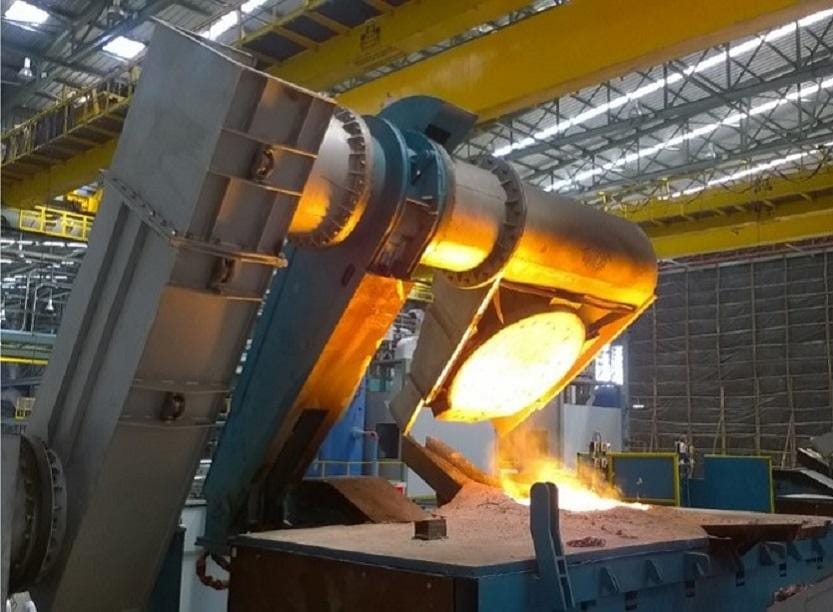
Steel manufacturing is among the most demanding industrial processes from an air pollution control perspective. Whether it is an Electric Arc Furnace (EAF), Induction Furnace (IF), Basic Oxygen Furnace (BOF), or secondary metallurgy operation, each stage generates significant quantities of fumes, dust, and airborne particulates that must be effectively captured and controlled.
For EHS managers, the challenge extends beyond simply meeting emission norms. Poor fume extraction can impact worker health, equipment reliability, housekeeping standards, and overall plant productivity. As environmental regulations become stricter and workplace safety expectations increase, steel plants are under growing pressure to implement efficient and compliant fume extraction systems.
Selecting the right technology requires a thorough understanding of process conditions, dust characteristics, airflow requirements, and regulatory obligations. This guide explores the major fume extraction technologies used in steel plants, key design considerations, and compliance requirements that influence system selection.
Why Fume Extraction Matters in Steel Plants
Steelmaking processes generate large quantities of airborne contaminants including:
- ✓Iron oxide fumes
- ✓Metal oxides
- ✓Vật chất dạng hạt mịn
- ✓Carbon dust
- ✓Alloying element emissions
- ✓Fugitive process fumes
Without proper extraction, these contaminants can spread throughout the melt shop, creating unsafe working conditions and increasing environmental risks.
From an operational standpoint, uncontrolled fumes can lead to:
- ✓Poor workplace visibility
- ✓Increased housekeeping requirements
- ✓Accelerated equipment wear
- ✓Dust accumulation on electrical systems
- ✓Worker exposure concerns
- ✓Regulatory non-compliance
An effective fume extraction system not only controls emissions but also contributes to safer and more efficient plant operations.
Understanding Fume Generation in Steel Manufacturing
Electric Arc Furnaces (EAF)
Electric Arc Furnaces generate some of the highest fume volumes in the steel industry. During scrap melting, intense temperatures cause oxidation of metals, producing extremely fine particulate matter.
Major emission sources include:
- ✓Scrap charging
- ✓Arc formation
- ✓Oxygen lancing
- ✓Tapping operations
These fumes are often sub-micron in size and require high-efficiency filtration systems.
Induction Furnaces
Induction furnaces are widely used in secondary steel production. Although emission volumes are generally lower than EAFs, significant fume generation still occurs during:
- ✓Charging
- ✓Melting
- ✓Slag removal
- ✓Tapping
Because production rates often vary, extraction systems must be capable of handling fluctuating airflow requirements.
Basic Oxygen Furnaces (BOF)
BOF operations generate large volumes of process gas and metal fumes during oxygen blowing. These applications demand high-capacity extraction systems capable of operating under elevated temperatures and varying process conditions.
Secondary Metallurgy Operations
Additional fume generation occurs during:
- ✓Ladle furnace operations
- ✓Alloy addition
- ✓Continuous casting
- ✓Transfer stations
These areas often require localized extraction solutions to control fugitive emissions.
Characteristics of Steel Plant Fumes
Understanding the properties of steelmaking fumes is critical for selecting the appropriate air pollution control technology.
| Tham số | Đặc điểm điển hình |
|---|---|
| Kích thước hạt | Sub-micron to 50 microns |
| Nhiệt độ | 100°C to 1200°C |
| Tải trọng bụi | Moderate to High |
| Abrasiveness | Vừa phải |
| Metal Content | Iron oxide, zinc oxide, manganese compounds |
| Air Volume | Extremely High |
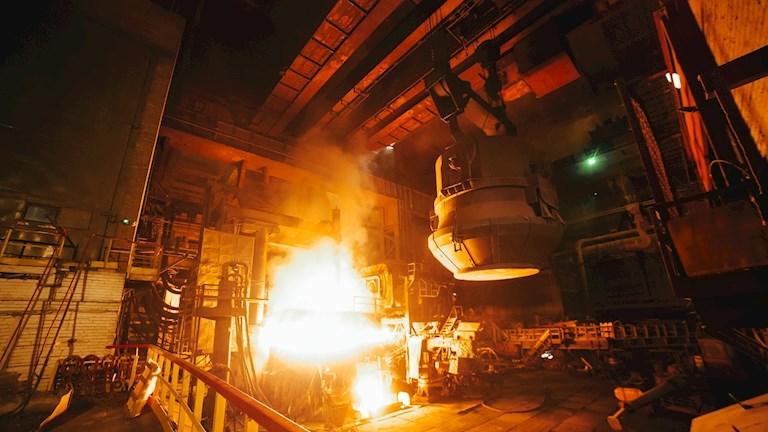
The combination of fine particles, elevated temperatures, and large airflow volumes makes steel plant fume extraction one of the most technically challenging applications in industrial filtration.
Key Challenges in Steel Plant Fume Extraction
High Temperature Process Gas
Steelmaking operations generate gases at temperatures that can exceed the limits of standard filter media. Proper cooling arrangements are often necessary before filtration.
Large Airflow Requirements
Furnaces require the handling of massive gas volumes, making fan selection, duct sizing, and energy consumption critical design considerations.
Variable Process Conditions
Production rates can fluctuate significantly, leading to changing airflow and dust loading conditions throughout the day.
Secondary Emissions
Many plants focus only on primary emissions while overlooking fugitive fumes escaping during charging, tapping, or material handling operations.
Limited Space Availability
Existing steel plants often have space constraints that make retrofitting new extraction systems challenging.
Major Fume Extraction Technologies Used in Steel Plants
Bộ lọc túi Pulse Jet
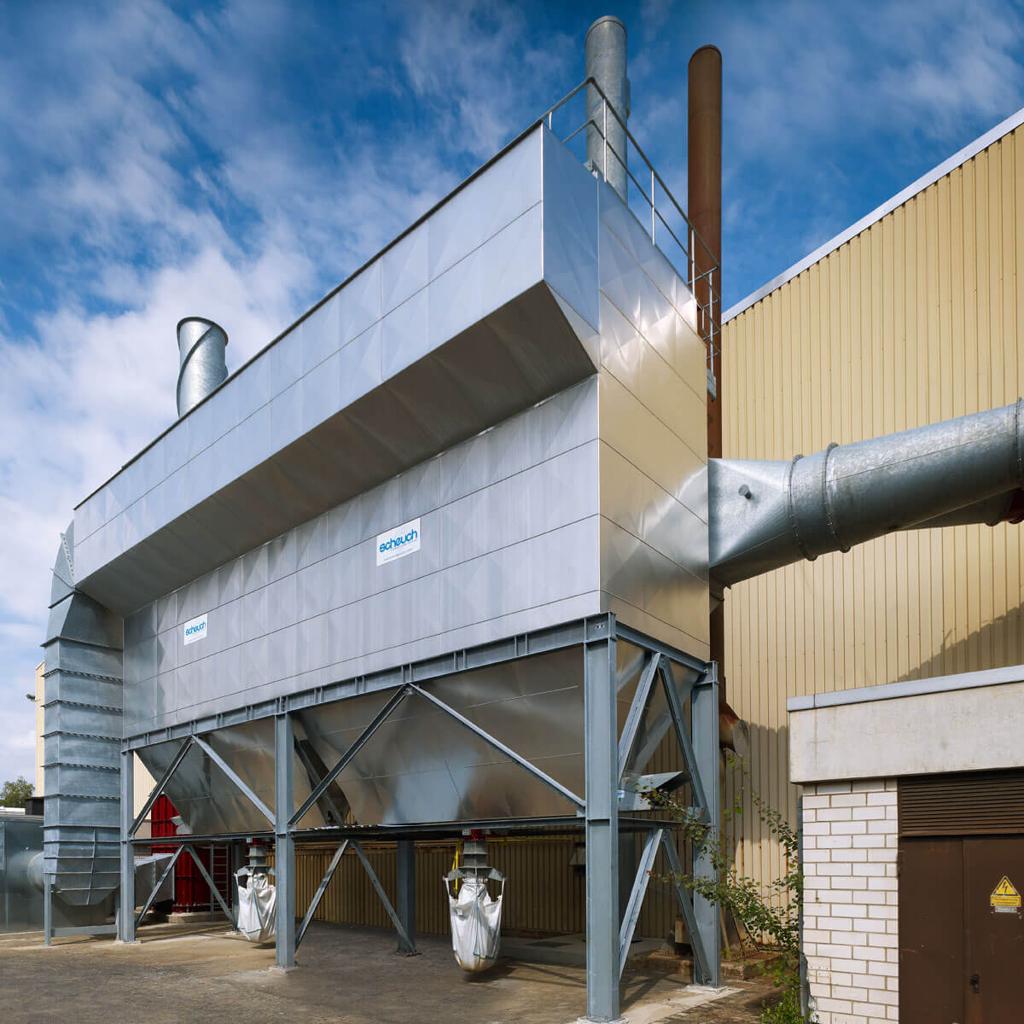
Pulse Jet Bag Filters are currently the most widely used technology for steel plant fume extraction.
How They Work
Dust-laden air passes through filter bags where particulate matter is captured on the fabric surface. Periodic compressed air pulses remove accumulated dust, maintaining filtration efficiency.
Thuận lợi
- ✓Hiệu quả thu gom cao
- ✓Suitable for fine particulate capture
- ✓Handles large airflow volumes
- ✓Consistent emission performance
- ✓Adaptable to different steelmaking processes
Ứng dụng điển hình
- ✓EAF fume extraction
- ✓Induction furnaces
- ✓Hệ thống BOF
- ✓Secondary metallurgy operations
For modern steel plants targeting low emission levels, bag filters often provide the best balance between performance and operational reliability.
Máy hút bụi dạng hộp mực
Cartridge collectors are generally used for localized extraction applications rather than primary furnace systems.
Common applications include:
- ✓Grinding stations
- ✓Material transfer points
- ✓Small process vents
- ✓Maintenance areas
Their compact footprint makes them suitable where space is limited.
Máy chà ướt
Wet scrubbers remove particulate matter using liquid contact.
Các ứng dụng bao gồm:
- ✓Bụi dính
- ✓Gas absorption requirements
- ✓Chemical fume treatment
While effective in certain situations, wet scrubbers introduce additional requirements for water treatment and sludge management.
Bộ lọc tĩnh điện (ESP)
Electrostatic Precipitators use electrical charging to collect particulate matter.
Thuận lợi
- ✓Giảm áp suất thấp
- ✓Suitable for large airflow volumes
- ✓Proven technology
Hạn chế
- ✓Performance can vary with dust characteristics
- ✓Less effective for certain fine particles
- ✓More sensitive to process fluctuations
Many older steel plants are evaluating ESP-to-bag filter upgrades to achieve tighter emission standards.
Primary vs Secondary Fume Extraction Systems
One of the most common design mistakes is focusing exclusively on primary extraction.
Primary Extraction
Primary systems capture emissions directly from the process source.
Examples include:
- ✓Direct furnace extraction
- ✓Fourth-hole EAF systems
- ✓Process hoods
These systems capture the majority of generated fumes.
Secondary Extraction
Secondary systems capture fugitive emissions that escape primary collection points.
Examples include:
- ✓Canopy hoods
- ✓Roof extraction systems
- ✓Building evacuation systems
Modern steel plants typically require both primary and secondary extraction systems to achieve effective environmental control.
How to Select the Right Fume Extraction Technology
Technology selection should be based on engineering evaluation rather than equipment cost alone.
Key Factors
Process Type
Different technologies may be suitable depending on whether the application involves:
- ✓EAF
- ✓BOF
- ✓IF
- ✓Rolling mill operations
Dust Characteristics
Consider:
- ✓Kích thước hạt
- ✓Dust loading
- ✓Nhiệt độ
- ✓Moisture content
- ✓Chemical composition
Emission Targets
Future emission requirements should be considered during system design to avoid costly upgrades later.
Tiêu thụ năng lượng
Fans often represent the largest operating cost within a fume extraction system. Proper system design can significantly reduce energy consumption.
Yêu cầu bảo trì
Filter media selection, cleaning systems, and accessibility directly affect maintenance costs and plant uptime.
Environmental Compliance Requirements
Steel plants must comply with multiple environmental and occupational safety requirements.
Key focus areas include:
Stack Emission Compliance
Plants must ensure particulate emissions remain within applicable regulatory limits.
Workplace Air Quality
Worker exposure to fumes and dust should be controlled through effective extraction and ventilation systems.
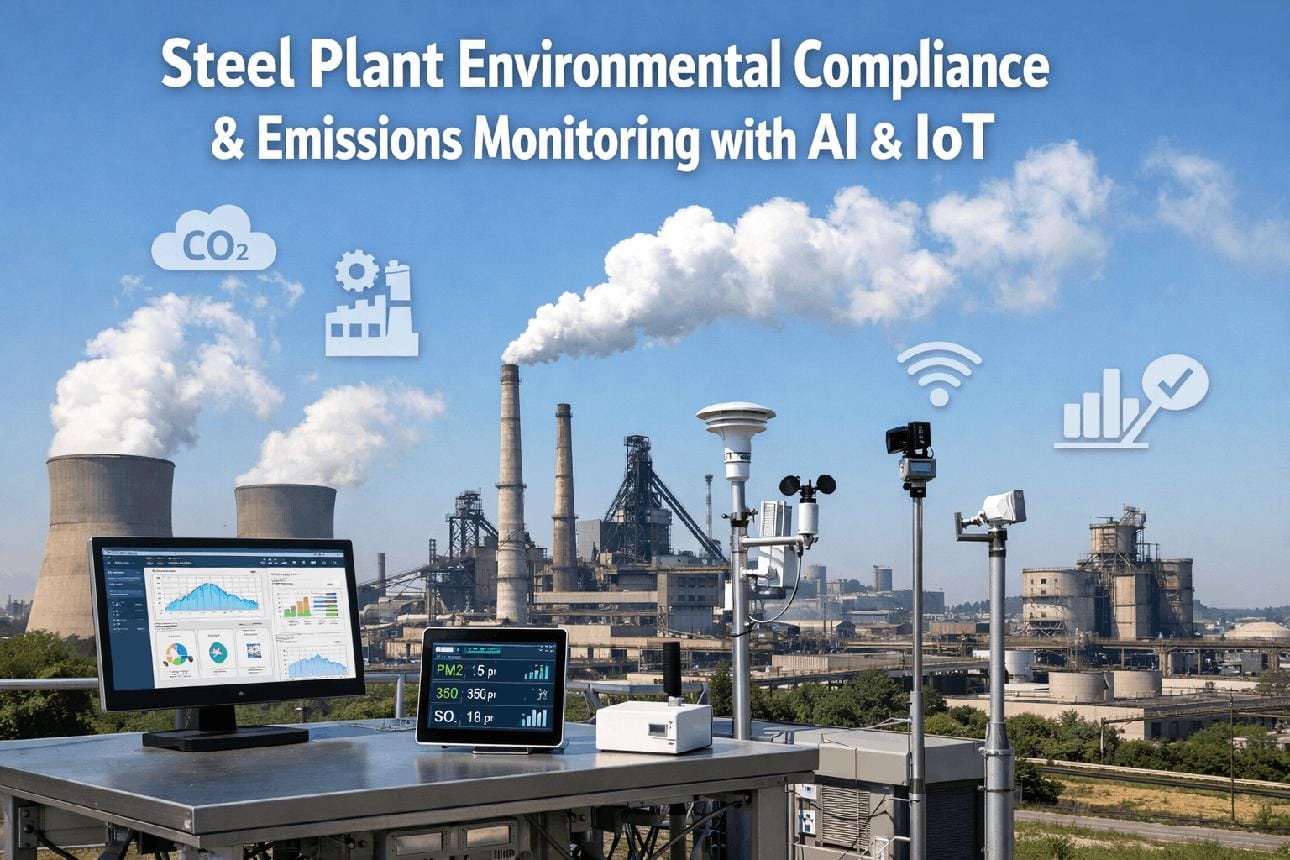
Continuous Monitoring
Increasingly, regulators expect better monitoring and documentation of environmental performance.
Future Regulatory Trends
Across the steel sector, environmental expectations continue to move toward lower emission levels and greater accountability.
EHS managers should therefore consider future compliance requirements when evaluating new systems or retrofits.
Common Mistakes in Fume Extraction Projects
Several recurring issues affect system performance.
Undersized Baghouses
Insufficient filtration area often results in:
- ✓High differential pressure
- ✓Tuổi thọ túi bị giảm
- ✓Increased energy consumption
Poor Hood Design
Even the best filtration system cannot compensate for ineffective capture hoods.
Incorrect Airflow Balancing
Improper duct design may cause uneven extraction performance across different process areas.
Wrong Filter Media Selection
Temperature, abrasion, and dust characteristics must be considered during media selection.
Ignoring Secondary Emissions
Many plants achieve stack compliance but still struggle with poor shop-floor air quality due to fugitive emissions.
Emerging Trends in Steel Plant Air Pollution Control
Several technologies are shaping the future of steel plant emission control.
Smart Filtration Monitoring
Real-time monitoring of:
- ✓Differential pressure
- ✓Fan performance
- ✓Cleaning cycles
- ✓Emission trends
allows proactive maintenance.
Predictive Maintenance
Data-driven maintenance strategies help reduce unplanned shutdowns and improve system reliability.
Energy-Efficient Designs
Optimized airflow management and fan systems are helping plants reduce operational costs.
Hybrid Filtration Technologies
Combining different collection technologies can improve efficiency while supporting future emission requirements.
How IFH Supports Steel Plant Emission Control
With over 100 years of German engineering heritage and more than 70,000 installations worldwide, Intensiv Filter Himenviro (IFH) has extensive experience in industrial air pollution control solutions.
IFH supports steel and metal industries through:
- ✓Fume extraction systems
- ✓Pulse jet bag filters
- ✓ESP systems
- ✓Hybrid filtration solutions
- ✓Retrofit projects
- ✓Compliance-focused engineering assessments
By combining process understanding with filtration expertise, IFH helps steel plants improve environmental performance while maintaining operational efficiency.
Phần kết luận
Fume extraction is no longer viewed solely as an environmental requirement. It has become an essential component of workplace safety, operational reliability, and sustainable steel production.
For EHS managers, selecting the right extraction technology requires balancing emission compliance, process conditions, maintenance considerations, and lifecycle costs. Whether the application involves an Electric Arc Furnace, Induction Furnace, or BOF operation, the effectiveness of the extraction system directly impacts plant performance.
As regulations continue to tighten and production demands increase, investing in properly engineered fume extraction systems remains one of the most effective ways to improve both environmental performance and operational excellence.
Câu hỏi thường gặp (FAQ)
What is the most commonly used fume extraction technology in steel plants?
Pulse Jet Bag Filters are the most widely used due to their high efficiency, reliability, and ability to capture fine particulate matter.
Why are secondary fume extraction systems important?
Secondary systems capture fugitive emissions that escape during charging, tapping, and material handling operations, improving workplace air quality.
Can ESPs still be used in steel plants?
Yes, ESPs are still used in many applications, particularly where large airflow volumes exist. However, many facilities are upgrading to bag filters to meet stricter emission requirements.
What factors influence fume extraction system selection?
Key factors include process type, dust characteristics, gas temperature, airflow volume, emission targets, maintenance capability, and lifecycle costs.
How often should a steel plant assess its fume extraction system?
A comprehensive technical assessment is recommended periodically, particularly after process modifications, capacity expansions, or regulatory changes.
Request a Technical Assessment
If you are evaluating the performance of your existing fume extraction system or planning a new installation, IFH can conduct a detailed technical assessment covering airflow analysis, filtration performance, compliance readiness, and optimization opportunities.
Lead Magnet: Steel Plant Fume Extraction Engineering Checklist (Download available upon enquiry).
 VI
VI  EN_US
EN_US  UR
UR  AR
AR  NL
NL  MS
MS  DE
DE  FR
FR  IT
IT  FA
FA  KO
KO  RU
RU  ID
ID  FIL
FIL  KK
KK  UZ
UZ  BG
BG  CS
CS  HU
HU  SL
SL  SV
SV  PL
PL  TR
TR  FI
FI  ES
ES