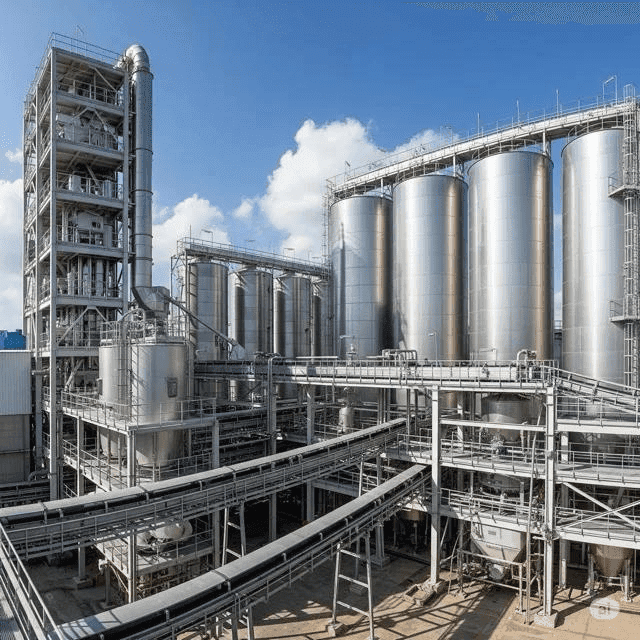
Pył mleka w proszku: ukryte ryzyko wybuchu w zakładach mleczarskich
Milk powder is one of the most widely produced ingredients in the dairy industry, valued for its long shelf life, ease of transportation, and versatility across food applications. However, what many facilities underestimate is that milk powder can also create a serious combustible dust hazard when it becomes airborne during processing.
As production capacities continue to increase, dairy plants are handling larger volumes of powder through spray dryers, cyclones, conveying systems, and packaging lines. Without effective dust control measures, these operations can create conditions where a milk powder dust explosion becomes a genuine safety concern.
Understanding Where the Risk Begins
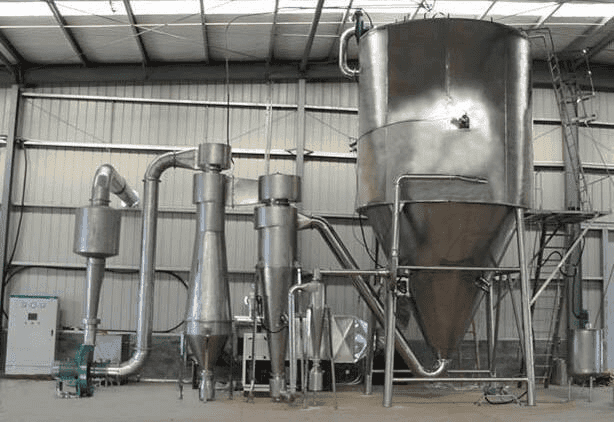
Milk powder dust is generated at several stages of the production process. The highest concentrations are typically found around spray dryers, pneumatic conveying systems, silo filling stations, and packaging operations. Because the particles are extremely fine and lightweight, they can remain suspended in the air for extended periods, forming dust clouds that may not always be visible to operators.
This characteristic makes milk powder particularly challenging from a safety perspective. Dust that is allowed to accumulate on equipment, structural surfaces, or inside process areas can easily become airborne again during routine plant activities, increasing the overall explosion risk.
Typical Dust Characteristics
| Nieruchomość | Typowy zakres |
|---|---|
| Wielkość cząstek | 20–300 μm |
| Organic Content | Wysoki |
| Palność | Wysoki |
| Formowanie się chmury pyłu | Łatwy |
| Potencjał wybuchu | Istotne |
Why Can Milk Powder Dust Explode?
Many people associate explosions with chemicals, gases, or fuels. In reality, finely dispersed organic powders can behave in a very similar way under the right conditions.
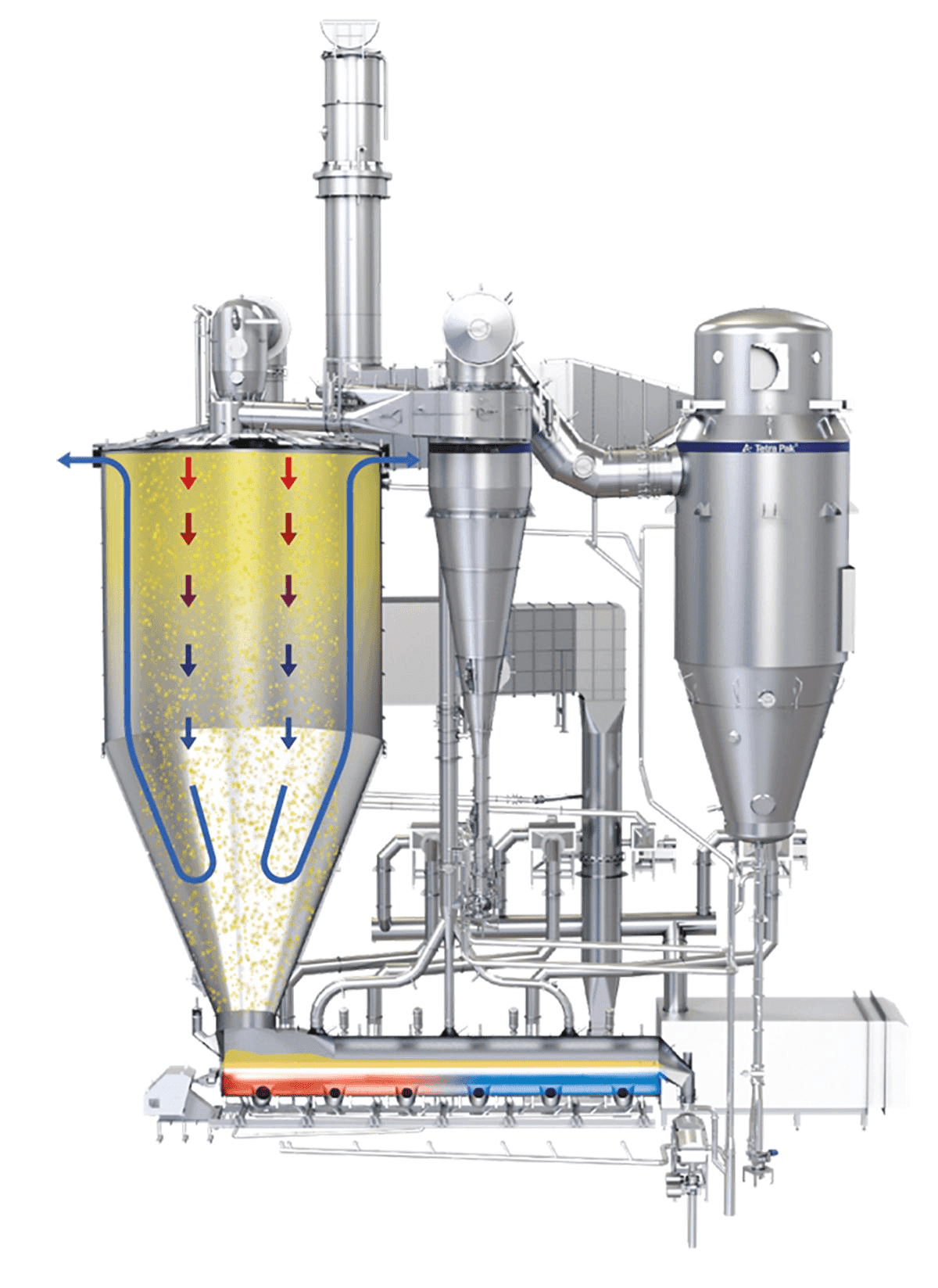
When milk powder is suspended in air and encounters an ignition source within an enclosed area, rapid combustion can occur. Common ignition sources include static electricity, overheated bearings, electrical faults, friction sparks, and hot process equipment. Spray dryers, cyclones, dust collectors, and powder conveying systems are often considered critical areas because they combine airborne dust, oxygen, and potential ignition sources within confined spaces.
The challenge for safety teams is that combustible dust hazards often develop gradually. Facilities may operate for years without incident, leading to a false sense of security until operating conditions align and create the potential for a significant event.
Why Effective Filtration Matters
In many dairy plants, dust control is still viewed primarily as a housekeeping issue. In reality, filtration systems play a much broader role in operational safety and efficiency.
A properly designed dust collection system captures powder at the source before it can spread throughout the facility. This reduces airborne dust concentrations, improves workplace cleanliness, minimizes product loss, and helps maintain a safer operating environment for employees.
For dairy applications, filtration systems must also meet strict hygiene standards. Equipment should be designed to prevent contamination while maintaining reliable performance under continuous production conditions. As a result, many facilities are moving toward filtration solutions that support both safety and food-grade operational requirements.
The Role of ATEX-Compliant Dust Collection Systems
Not all dust collectors are designed for combustible dust applications. When evaluating equipment for dairy processing facilities, explosion protection should be considered from the earliest stages of system design.
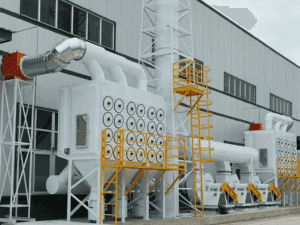
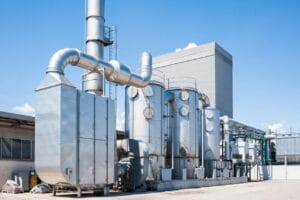
ATEX-compliant bag filters are specifically engineered for environments where combustible dusts may be present. Depending on the application, these systems can incorporate explosion venting, spark detection technology, anti-static filter media, isolation devices, and grounding arrangements that help reduce the consequences of an ignition event.
Beyond compliance, these features provide an additional layer of protection for personnel, equipment, and production continuity. As regulatory expectations continue to evolve globally, many dairy producers are incorporating ATEX principles into both new projects and retrofit initiatives.
What Procurement and Engineering Teams Should Consider
When selecting a dust collection system, the lowest purchase price is rarely the most important factor. Procurement teams, plant engineers, and EHS professionals should evaluate whether the equipment has been specifically designed for combustible dairy dust applications and whether it can support long-term operational objectives.
Questions related to explosion protection, hygienic design, cleaning requirements, maintenance accessibility, and lifecycle costs often reveal significant differences between standard industrial dust collectors and systems intended for food processing environments. Taking a long-term view during supplier selection can help avoid costly modifications and operational risks later in the project’s life cycle.
Wniosek
Milk powder may appear harmless, but when dispersed into the air it can become a significant combustible dust hazard. As dairy plants continue to expand production capacity and automation levels, effective dust management is becoming increasingly important for both safety and operational performance.
A combination of good housekeeping practices, risk assessment, and properly designed filtration systems can significantly reduce the likelihood of a milk powder dust explosion. Facilities that proactively address these risks are better positioned to protect personnel, maintain compliance, and achieve reliable long-term production.
Często zadawane pytania
Can milk powder dust really explode?
Yes. Milk powder is classified as a combustible organic dust. When dispersed in air and exposed to a suitable ignition source, it can ignite and cause an explosion.
Which areas are most vulnerable to milk powder dust explosions?
Spray dryers, cyclones, dust collectors, powder conveying systems, and packaging lines are generally considered the highest-risk locations within a dairy facility.
Why are ATEX-compliant bag filters used in dairy plants?
ATEX-compliant filtration systems are designed to manage combustible dust hazards through features such as explosion protection, anti-static components, and safe dust handling practices.
Is housekeeping alone enough to control dust risks?
No. While housekeeping is important, effective source capture, engineered filtration systems, and explosion protection measures are equally critical for managing combustible dust hazards.
 PL
PL  EN_US
EN_US  UR
UR  AR
AR  NL
NL  MS
MS  DE
DE  FR
FR  IT
IT  FA
FA  VI
VI  KO
KO  RU
RU  ID
ID  FIL
FIL  KK
KK  UZ
UZ  BG
BG  CS
CS  HU
HU  SL
SL  SV
SV  TR
TR  FI
FI  ES
ES