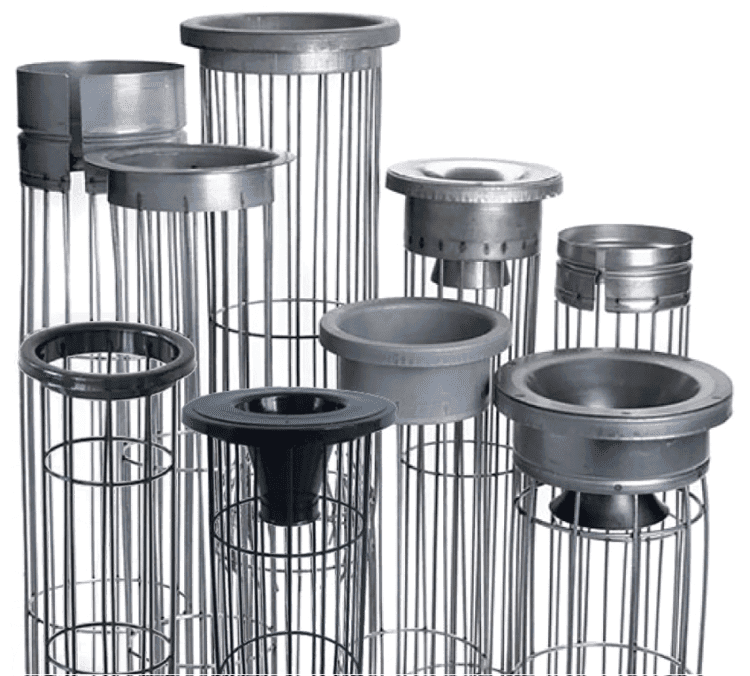
Filter cages are the hidden backbone of every pulse jet baghouse. Without the right cage — correct material, wire count, coating, and alignment — even the best filter bags fail early. This guide covers everything you need to know about selecting, maintaining, and replacing filter cages for industrial dust collection systems in 2026.
⚡ Quick Overview
- Filter cages provide structural support to stop filter bags from collapsing under high pressure.
- The material and wire setup you choose changes how long the bag lasts.
- The right cage keeps your system within CPCB emission rules.
Understanding the Role of Filter Cages in Dust Collection
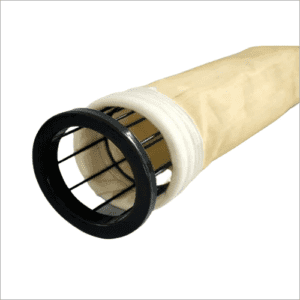
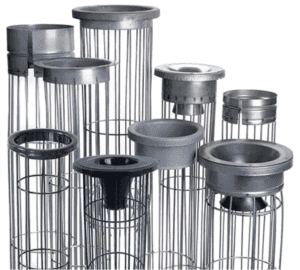
A filter cage acts as a rigid wire frame for a dust collector. It holds the filter bag open while dirty air moves through it. Think of the cage as the skeleton of the filter — it keeps the bag standing tall so air flows through without the fabric crumpling or getting stuck.
A filter cage is a metal structure inside a pulse jet bag filter that keeps the fabric in the right shape. It prevents the bag from folding inward when the system cleans it with a pulse of air. Cages help you keep a steady differential pressure (ΔP) because they stop the bag from moving around too much. If the bag moves or wrinkles, dust gets trapped in the fabric. If the cage leans, it rubs against the fabric and wears it out in specific spots.
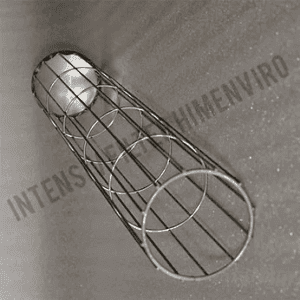
Common Types of Baghouse Filter Cages
Baghouse cages come in many designs to fit different machines and buildings. Here are the main types:
- Round filter cages are the most common shape. Most pulse jet systems use this type because it gives even support to the bag.
- Oval filter cages fit into tight spaces. They work well when a machine has little room and add more surface area for cleaning air.
- Star cages have a special shape with many points. This design pulls the bag fabric out and helps more air pass through the filter.
- Split cages work best in rooms with low ceilings. Workers slide the two pieces together during setup, making installation possible where full-length cages cannot fit.
Material Specifications and Surface Finishes
The environment inside the machine decides which metal works best. The right material stops rust and keeps the bag from tearing. Poor choices lead to quick damage and higher costs.
| Материал | Ең жақсы пайдалану |
|---|---|
| Carbon Steel | Dry, mild conditions |
| Galvanized Steel | Standard dust collection |
| Stainless Steel 304 | Damp or mildly acidic air |
| Stainless Steel 316 | Harsh, corrosive chemicals |
| Epoxy Coating | Mild chemical protection |
| Silicon Coating | Very high heat environments |
Carbon steel with a galvanized finish is a good, cost-effective option for basic jobs — it works fine if the air stays dry and clean. Stainless steel filter cages last longer in tough spots; use grade 304 or 316 for wet or acidic gas streams. Epoxy coatings stop mild rust on cheaper steel, while a silicon coating protects the metal when temperatures get too high for normal paint.
The Function of Venturi in Pulse Jet Bag Filters
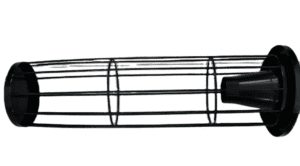
A filter cage with venturi improves the pulse jet cleaning process. It directs compressed air into the bag with better focus. The bag filter venturi creates a vacuum effect inside the tube — this pull brings in extra air from the top of the cage. This secondary air helps amplify the cleaning pulse, so more air reaches the bottom of the filter bag.
This setup uses less compressed air for each pulse, and operators often see better results with less power. A cement plant that switched to cages with a venturi saw a 15% drop in their compressed air use after correct placement.
⚠️ Important
If a venturi is not aligned correctly, the pulse hits the sides of the bag instead of traveling down the center. This leads to uneven cleaning and high pressure drops. Always check venturi alignment during installation and after every maintenance shutdown.
How to Choose a Filter Cage Manufacturer in India
Finding the right filter cage manufacturer in India involves checking their factory floor and production methods. Here is what to look for:
- Automated PLC welding: The best shops use automated welding. This method makes clean joints free of sharp bits that can rip or snag the filter bags.
- Verticality testing: Good suppliers use laser tools to make sure the cage is perfectly straight. A crooked cage rubs against the bag and wears out the fabric very quickly.
- Consistent wire size: The wires must be the same thickness to hold the bag tight under heavy pressure.
- Proof of testing methods: Always ask for documentation of their testing before you place a large order.
Many people think one cage is the same as the next one — this idea is wrong. Poor welding ruins bags before their time. High quality cages last longer and keep your machine running without extra stops.
Identifying Failure Modes in Filter Bags and Cages
You can spot a bad cage or bag by looking for two things: high pressure in the system and dust leaking where it should not be. These signs show that the parts inside the baghouse are not working right.
| Мәселе | Cause | Шешім |
|---|---|---|
| Torn filter bags | Sharp bits of metal on cage wires rub against the fabric | Use CNC-machined cages with no sharp edges |
| High pressure drop | A bent filter cage blocks the flow of air | Replace the bent cage during the next plant shutdown |
| Bags wear out too fast | Filter cage corrosion makes the surface rough and scrapes the bag | Switch to stainless steel or epoxy-coated cages |
⚠️ Never Do This
You might think you can fix a damaged filter cage by bending it back into shape. Do not do this. The metal loses its strength once it bends. A fixed cage will break again very soon — often during peak operation, causing more damage to the bags.
Industry Applications for Heavy Duty Filter Cages
Цемент зауыттары: The equipment deals with hot dust from the kiln. Cages must handle this heat without breaking or losing their shape, and they must stay tough even when the dust is very abrasive.
Steel Plants: The air in steel plants changes quickly because of the furnaces. A strong cage supports the bag while the system cleans the dust and stays steady even during fast changes in pressure.
Biomass Power Plants: The dust in biomass plants is often sticky. It clings to the bags and makes cleaning hard. Good cages give the bag enough support so the cleaning pulses knock all that sticky dust loose.
Companies must follow CPCB rules for clean air. The right filter cages make sure the baghouse stays stable, keeping the plant in line with official air quality standards.
Қорытынды
Filter cages act as the hidden support for any dust collection system. Their quality dictates how long the whole setup lasts. Good cages prevent premature wear and keep the entire system running smoothly. Investing in the right cage material, coating, and manufacturer saves far more money in avoided downtime and bag replacements than the upfront cost difference.
Жиі қойылатын сұрақтар
Can I reuse a filter cage?
Yes. You can reuse it if it is not bent, rusty, or damaged. Always check the cage carefully for defects when you change the filter bag — a damaged cage will destroy a new bag quickly.
How many wires should my cage have?
Most systems work well with 10 to 12 wires. Systems with high pressure often need up to 24 wires to provide better support and prevent bag collapse during peak operation.
What is the best coating for acid resistance?
Stainless steel offers the best protection. If you need a cheaper option for mild acidity, epoxy-coated carbon steel is a viable alternative that provides reasonable protection at lower cost.
Does cage diameter matter?
Yes, it matters a lot. The cage must fit tightly inside the bag. A loose fit allows the bag to move around, which causes wear and leaks — leading to both early bag failure and emission compliance issues.
 KK
KK  EN_US
EN_US  UR
UR  AR
AR  NL
NL  MS
MS  DE
DE  FR
FR  IT
IT  FA
FA  VI
VI  KO
KO  RU
RU  ID
ID  FIL
FIL  UZ
UZ  BG
BG  CS
CS  HU
HU  SL
SL  SV
SV  PL
PL  TR
TR  FI
FI  ES
ES