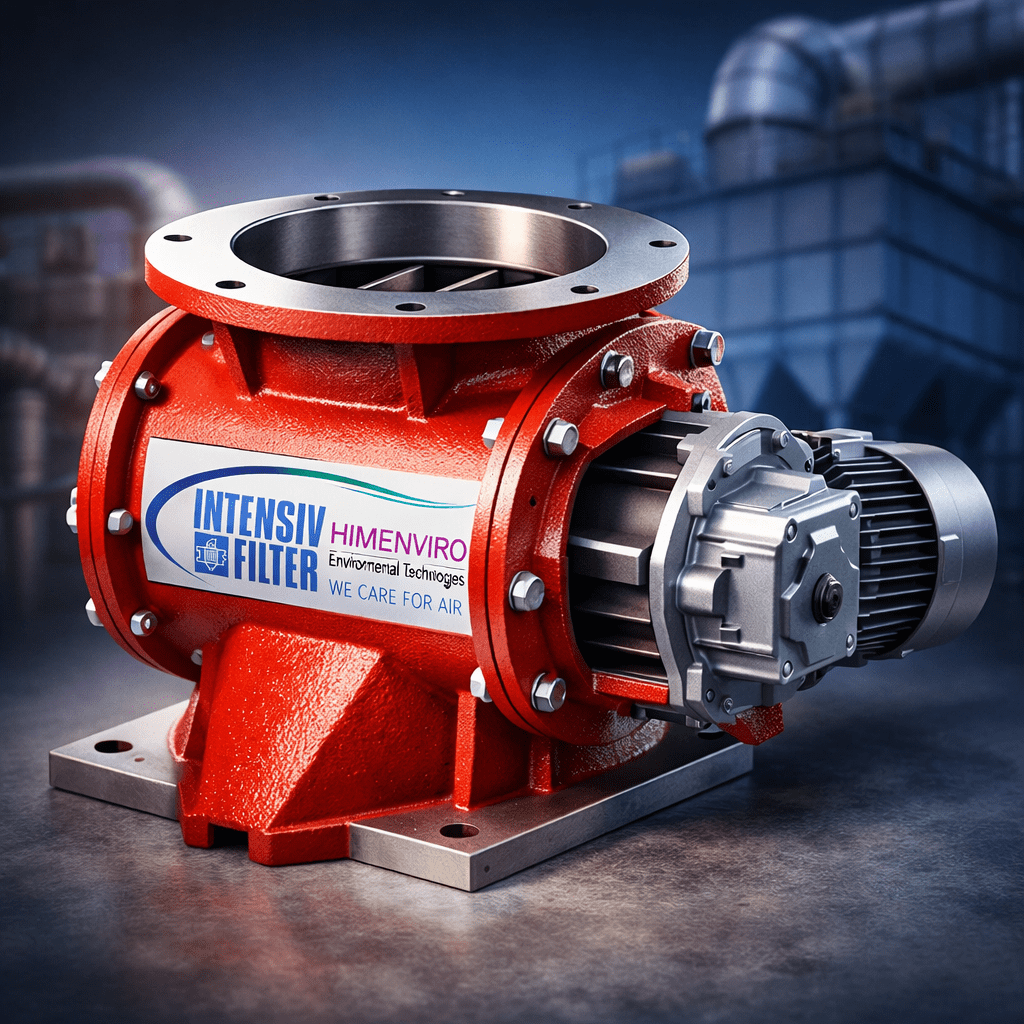
Forgó légzáró szelep zsákos szűrőhöz | Ipari megoldások 2026
A forgó zsilipszelepek gyors áttekintése
- A forgó zsilipszelep szabályozza az anyag áramlását a gyárban, miközben állandó nyomászárást biztosít.
- Ezek az alkatrészek megakadályozzák a levegő szivárgását a porgyűjtőkből és a légszállító rendszerekből.
- A tulajdonosok pénzt takarítanak meg a javításokon és megfelelnek a tiszta levegőre vonatkozó szabályoknak, ha a megfelelő Intensiv Filter Himenviro berendezést választják.
Mi az a forgó zsilipszelep?
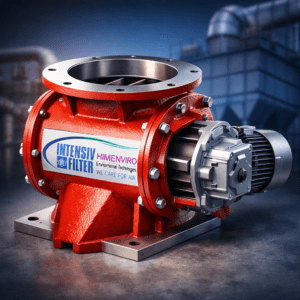
A forgó zsilipszelep egy olyan gépalkatrész, amely meghatározott mennyiségben mozgatja a száraz szilárd anyagokat. Légmentesen zárja le a két különböző légnyomású területet.
Elképzelheti ezt a készüléket egy forgóajtóként por vagy por számára. A szelep lehetővé teszi, hogy az anyag középen átessen, de megakadályozza, hogy a levegő a porral együtt áramoljon. Ez a speciális típusú nyomástömítés szükséges a zsákos szűrők és ciklonegységek belső nyomásának stabil szinten tartásához.
Hogyan működik egy forgó zsilipszelep az ipari rendszerekben
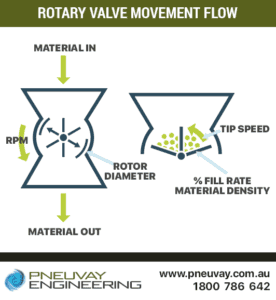
A porgyűjtő rendszerekben használt forgó zsilipszelep száraz port vagy szemcsés anyagokat mozgat a folyamatvezetéken keresztül. Szabályozza, hogy mennyi anyag halad át rajta, miközben a légnyomásszintet állandó szinten tartja. Ez az egyensúly létfontosságú, ha egy rendszer nyomáskülönbséggel foglalkozik. A nyomáskülönbség két összekapcsolt tér közötti légnyomáskülönbséget jelöli.
A mozgás a következő lépésekben történik:
- Az anyag egy garatból vagy tartályból hullik a bemeneti nyílásba.
- Az anyag kitölti a rotorlapátok közötti nyitott réseket.
- A rotor a házban forog, hogy az anyagot lefelé mozgassa.
- A zseb eléri az alsó kiömlőnyílást, ahol az anyag a gravitáció hatására kiesik.
- Az üres lapátok visszafordulnak a tetejére, hogy újraindítsák a ciklust.
A kialakítás a lapátok és a ház közötti szűk réseken alapul. Ez az illeszkedés tömítést hoz létre. Megakadályozza a levegő beáramlását a szelepen keresztül, miközben a térfogati kiürítést kezeli. Ez lehetővé teszi, hogy a rendszer a belső nyomás elvesztése nélkül ürítse ki az anyagot.
Ipari forgószelep fő alkotóelemei
Minden szelepnek meghatározott alkatrészeire van szüksége a megfelelő működéshez. Egyes alkatrészek idővel elkopnak, ami azt jelenti, hogy a kezelőknek néha forgó zsiliprotor cseréjére vagy más forgó zsilipalkatrészekre van szükségük.
| Összetevő | Funkció |
|---|---|
| Ház | Ez a külső héj tartja a rotort, és biztosítja az anyag útját. |
| Forgórész | Ezek a forgó lapátok felülről lefelé mozgatják a terméket. |
| Csapágyak | Ezek támasztják meg a tengelyt és biztosítják a rotor simán forgását. |
| Meghajtócsomag | A motor és a sebességváltó a megfelelő sebességgel forgatja a rotort. |
| Tengelytömítések | Ezek megakadályozzák a por vagy gáz szivárgását a forgó tengely mentén. |
A gyártók gyakran külső csapágyakat használnak ezekben a rendszerekben. Ezek a csapágyak a háztól távol helyezkednek el. Ez az elhelyezés távol tartja őket a szelepen áthaladó anyagtól. Megakadályozza, hogy a por vagy a szennyeződés elérje a zsírt. Ez az okos elrendezés megakadályozza, hogy a csapágyak szennyeződés miatt idő előtt meghibásodjanak.
Forgó zsilipszelepek típusai anyagmozgatáshoz
A különböző üzemi környezetekhez speciális szelepkialakítások szükségesek. A rendszeren áthaladó anyagok határozzák meg a legjobb illeszkedést az adott beállításhoz. Forró anyagok mozgatásához magas hőmérsékletű forgó zsilipszelepre van szükség. Nagyon durva vagy éles anyagok mozgatásához nagy teherbírású forgó zsilipszelepre van szükség.
Áteresztő forgószelepek
A gravitációs adagolású rendszerekhez a legelterjedtebb választás a csepegtető forgószelep. Az anyag a felső bemeneten jut be, és egyenesen az alsó kimeneten esik ki. Ez az egyszerű útvonal teszi őket a silóürítés standard forgószelepévé. Jól működnek olyan garatürítési feladatoknál, ahol az anyagok természetes módon lefelé áramlanak.
Oldalsó bevezetésű forgószelepek
A szabványos szelepek gyakran összetörik az anyagot, miközben a rotor forog. Ezt anyagnyírásnak nevezik. Akkor fordul elő, amikor darabok szorulnak a penge és a külső fal közé. A pneumatikus szállításhoz használt oldalsó beömlős forgószelep ezt kiküszöböli. Az anyagot ferdén juttatja a szelepbe, ahelyett, hogy egyenesen leejtené. Ez a kialakítás megvédi a törékeny vagy nagyméretű anyagokat attól, hogy széttörjenek az átviteli folyamat során.
Nagy teherbírású és magas hőmérsékletű forgószelepek
A standard szelepek gyorsan meghibásodnak, ha durva körülmények között dolgoznak. Elkopnak, ha éles, súroló port mozgatnak át rajtuk. A nagy teherbírású forgó zsilipszelep vastag acélfalakat és erős lapátokat használ, hogy túlélje ezeket a körülményeket. Erre a fajta hajtóműre van szükség cement vagy pernye feldolgozásához.
A magas hőmérsékletű modellek még nehezebb helyeken is működnek. Ha egy szabványos szelepet használsz egy kemence közelében, a fém kitágul, és az alkatrészek beszorulnak. A magas hőmérsékletű forgószelep szélesebb réssel és hőálló tömítésekkel rendelkezik a tágulás kezelésére. Ezek az egységek még 400°C-on vagy magasabb hőmérsékleten is erősek maradnak.
Íme ezeknek a robusztus kialakításoknak a főbb jellemzői:
- Vastagabb falak a koptatópor okozta kopás ellenállása érdekében.
- Megerősített pengék a nagyobb szilárdság érdekében.
- Speciális rések a fém növekedésének elősegítésére, amikor felmelegszik.
- Hőálló tömítések, amelyek nem olvadnak és nem deformálódnak.
- Megbízható teljesítmény forgó zsilipszelepben biomassza kazánrendszerekhez.
A forgó zsilipek szerepe a zsákos elszívórendszerben és a porgyűjtésben
A zsákos szűrőrendszerekhez tartozó forgó légzsilip mozgásban tartja a port, miközben a vákuumot a tartályban tartja. Megakadályozza, hogy a nem kívánt levegő visszajusson a rendszerbe. Ez a légmentes tömítés nagyon fontos a zsákos szűrőház megfelelő működéséhez.
Ha a szelep elkopik, szivárogni kezd. A levegő ekkor visszaáramlik a tartályba, és tönkreteszi a szűrőzsák tisztítási folyamatát. A por nem tud a gyűjtőtartályba hullani, mert a felfelé irányuló légáram visszanyomja a zsákokhoz.
Ez nagy nyomáskülönbséget hoz létre, amit a mérnökök delta P-nek neveznek. A ventilátor sokkal keményebben dolgozik, de kevesebb levegőt mozgat. Az ESP minden forgó zsilipszelepének megfelelő tömítései segítenek az üzemeknek megfelelni a szigorú kibocsátási szabályoknak azáltal, hogy stabil és egyenletes légáramlást biztosítanak.
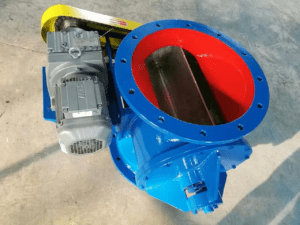
Ipari alkalmazások: Cement, acél és erőművek
A cementgyárak nagy mennyiségű forró port mozgatnak. A cementgyárak beállításaiban forgó zsilipszelepet használnak a kemence ürítésének szabályozására. Ezek a szelepek a szélsőséges kopást is elviselik, mivel a cementpor nagyon szemcsés. A fém alkatrészeknek szilárdnak kell maradniuk, hogy elkerüljék a töredezést az anyag folyamatos őrlése alatt.
Az acélgyárak nagy mennyiségű füstöt és füstöt kezelnek. Ezekkel a szelepekkel szabályozzák a szinterezőüzemekből származó por áramlását. A porterhelés gyakran változik ezekben a létesítményekben. Egy erős szelep alkalmazkodik ezekhez a súlyváltozásokhoz, hogy a por a gyűjtőtartályból gázszökés nélkül távozzon.
Az erőművek nap mint nap pernyét kezelnek. Forgózsilipes szelepeket használnak a pernye kezelésére és a biomassza-kazánok terhelésingadozásainak kezelésére. Egyes hamuk ragadós vagy nagyon forró. A szelepnek kezelnie kell ezeket a speciális tulajdonságokat az eltömődések megelőzése érdekében. Ha a szelep meghibásodik, az egész erőművet le kell állítani.
Gyakori problémák: Légszivárgás és rotorkopás
A forgó zsilipszelep légszivárgási problémája általában azért fordul elő, mert a lapátok és a ház közötti rés túl nagy lesz. Ezt a rést lapáthézagnak nevezik. Idővel a koptató anyagok a fémhez dörzsölődnek, és koptatják a rotorvégeket. Ez a kopás szélesíti a rést.
Amikor a rés megnő, levegő szivárog a szelepen keresztül. Ez a légnyomás visszanyomódik a tartályba. A plusz levegő a finom port a levegőben tartja. Ez megakadályozza, hogy az anyag leessen, ami hídképződéshez vezet. A rendszer az elzáródás miatt leállítja az anyag adagolását.
Egy cementgyárban egy elkopott forgószelep miatt levegő fújt vissza a tartályba. Ez azt eredményezte, hogy a finom por lebegve maradt, és leállt a kiáramlás. A rotorcsúcsok cseréje helyreállította a nyomástömítést és az anyagáramlást.
Miért fordulnak elő ezek a problémák:
- Túlzott kopás: A szemcsés anyagok csiszolópapírként viselkednek a rotor szélein.
- Anyaglerakódás: A ragadós por eltömíti a szelepet, és arra kényszeríti a lapátokat, hogy keményebben dolgozzanak.
- Rossz beállítások: Ha a szelep túl gyorsan forog, az több hőt és súrlódást okoz.
- Nem megfelelő hézag: A rossz kezdeti beállítás miatt a levegő hamarabb szökik ki, mint kellene.
Karbantartási tippek forgó zsilip alkatrészekhez
A forgó zsilip rendszeres karbantartása biztosítja, hogy berendezése hirtelen leállások nélkül működjön. Kövesse ezt a listát az alkatrészek jó állapotának megőrzése érdekében.
- Gyakran ellenőrizd a lapáthézagot hézagmérővel. Ez pontosan megmutatja, mikor koptak el túlságosan a lapátvégek.
- Kenje meg a csapágyakat havonta. A jó minőségű zsír megakadályozza a súrlódást és a hőtermelést.
- Ellenőrizd a hajtólánc feszességét. A laza lánc rángatózó mozgásokat okoz, amelyek gyorsabban koptatják az alkatrészeket.
- Ellenőrizze a tengelytömítések szivárgását. Ha itt anyag szivárog, az gyorsan tönkreteszi a csapágyakat.
- Javításokhoz eredeti Intensiv Filter Himenviro forgózsilip alkatrészeket használjon. Ezek az alkatrészek pontos illeszkedést biztosítanak, és biztosítják a gép csúcsteljesítményét.
- Az elkopott tömítéseket azonnal cserélje ki. Ez megakadályozza, hogy kívülről levegő jusson a rendszerbe.
A rendszeres ellenőrzések megakadályozzák a költséges állásidőket. A megfelelő alkatrészek használatával a gép hosszú ideig megbízható marad.
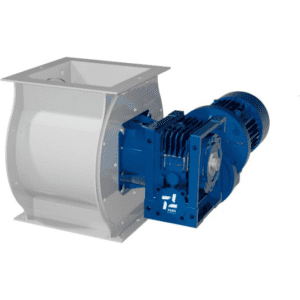
Mikor kell cserélni a forgó zsilipszelepet?
Tudnia kell, mikor kell kicserélnie a forgó zsilipszelepet, hogy elkerülje a váratlan üzemleállásokat. Az apró jelek figyelése később időt és pénzt takarít meg.
Íme a figyelmeztető jelek, amelyekre figyelni kell:
- Gyakran ellenőrizze a rotort. Ha a házon mély bevágások vagy nyomok vannak, ki kell cserélni a rotort.
- Mérd meg az alkatrészek közötti rést. Ha ezek a rések meghaladják a gyártó által meghatározott határértékeket, cselekedned kell.
- Nézd meg a teljes szeleptestet. Ha a ház túl nagy kopást mutat, vagy nem tudod megjavítani, akkor a teljes csere a megfelelő választás.
- Gondolja át jelenlegi rendszerigényeit. Ha úgy dönt, hogy frissíti a teljes rendszert, cserélje ki a szelepet is.
A modern alkatrészek, mint például az Intensiv Filter Himenviro kialakítása, segítenek energiát megtakarítani. Ezek az újabb kialakítások a gépeket is hosszabb ideig működtetik. Az alacsony életciklus-költségek azt jelentik, hogy nem kell túl gyakran új alkatrészeket vásárolnia.
Következtetés
A forgó zsilipszelepek apró alkatrészek, amelyek nagy munkát végeznek a gyárban. Ezek szabályozzák a port és a szükséges helyre juttatják az anyagokat. A megfelelő kialakítás kiválasztásával biztosíthatja az üzem megfelelő működését. A rendszeres ellenőrzések és a szűk rések biztosítják, hogy a rendszer megfeleljen a szabályoknak. Egy egészséges szelep egészséges üzemet jelent.
Gyakran Ismételt Kérdések
Hogyan számíthatom ki egy forgó zsilip kapacitását?
A kapacitás a rotor fordulatonkénti térfogatától és a motor sebességétől függ. A felhasználók jellemzően egy 70% kitöltési tényezőt alkalmaznak a reális szám eléréséhez. Ez a matematikai tényező segít a vásárlóknak eldönteni a forgó zsilipszelep gyártóját, amikor egy adott áramlási sebességre van szükségük.
A forgó zsilipek képesek ragadós anyagokat kezelni?
Igen, ezek a szelepek ragadós anyagokat mozgatnak. Speciális bevonatokra vagy teflonnal bélelt rotorokra van szükségük, hogy megakadályozzák az anyag falhoz való tapadását.
Mi egy forgószelep tipikus élettartama?
Egy szelep több mint 10 évig is eltarthat, ha a tulajdonos megfelelően karbantartja, kopásmentes környezetben. A koptató anyagok gyorsabban koptatják az alkatrészeket, ezért előfordulhat, hogy 2-3 évente cserélni kell a rotort.
Miért akad el a forgózsilipem motorja?
A motor leáll, mert anyag szorul a fémlapátok és a külső héj közé. A hibás sebességváltó is okozhatja ezt a problémát.
Robbanásbiztosak a forgó zsilipek?
Egyes modellek szigorú biztonsági előírásoknak felelnek meg, mint például az ATEX vagy az NFPA. Ezek a verziók elkülönítik a robbanásokat a porgyűjtő rendszerekben, hogy a létesítmény biztonságban legyen.

 HU
HU  EN_US
EN_US  UR
UR  AR
AR  NL
NL  MS
MS  DE
DE  FR
FR  IT
IT  FA
FA  VI
VI  KO
KO  RU
RU  ID
ID  FIL
FIL  KK
KK  UZ
UZ  BG
BG  CS
CS  SL
SL  SV
SV  PL
PL  TR
TR  FI
FI  ES
ES