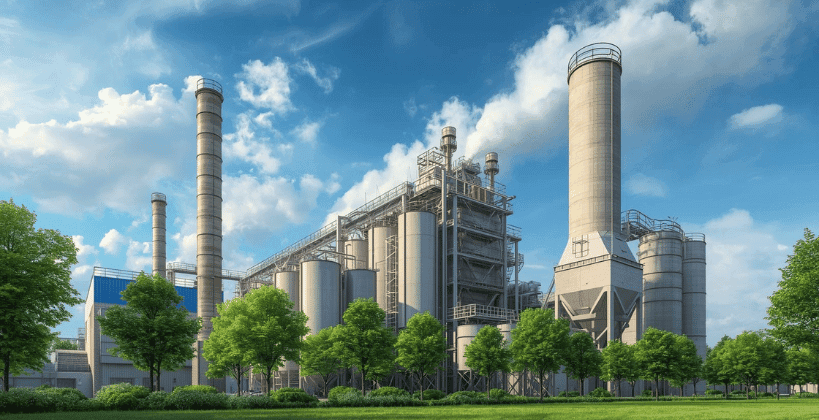
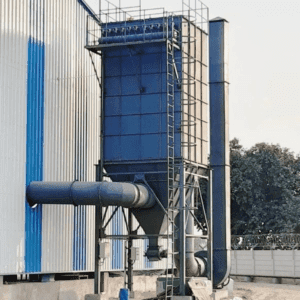
تُعدّ أجهزة تجميع الغبار الصناعية بمثابة الأبطال المجهولين في قطاعات التصنيع، وتوليد الطاقة، وإنتاج الإسمنت، ومعالجة المعادن، وغيرها الكثير من القطاعات الصناعية. فمن خلال الحفاظ على نقاء الهواء، تحمي هذه الأجهزة صحة العمال، وتصون المعدات باهظة الثمن من التلف، وتضمن الامتثال للوائح البيئية المتزايدة الصرامة. وفي العديد من المنشآت، لا تُمثّل هذه الأجهزة مجرد نظام دعم، بل جزءًا أساسيًا من الإنتاج المستدام والآمن.
مع ذلك، حتى أكثر أجهزة تجميع الغبار تطوراً قد تواجه تحدياً محبطاً ومكلفاً: انخفاض الضغط العالي وضعف تدفق الهواء. عند حدوث ذلك، يُجبر النظام على العمل بجهد أكبر من اللازم، مما يؤدي إلى انخفاض الكفاءة، وزيادة استهلاك الطاقة، وتقصير عمر المرشحات، وتوقف الإنتاج بشكل غير متوقع. بمرور الوقت، قد تتفاقم هذه المشكلات لتُصبح مخاطر جسيمة على الامتثال للمعايير وعقبات تشغيلية.
تُبرز بيانات القطاع حجم المشكلة. فبحسب وكالة حماية البيئة الأمريكية، يمكن لأنظمة جمع الغبار غير الفعالة أو ذات الأداء الضعيف أن تُقلل من كفاءة النظام الإجمالية بما يصل إلى 301 طن/طن، مما يرفع تكاليف التشغيل بشكل ملحوظ ويُؤثر سلبًا على جودة الهواء. بالنسبة للصناعات التي تعمل بالفعل وفقًا لمعايير انبعاثات صارمة، قد تُشكل هذه أوجه القصور الفرق بين الالتزام بالمعايير ومواجهة غرامات باهظة.
إن فهم أسباب انخفاض الضغط العالي وانخفاض تدفق الهواء - والأهم من ذلك، معرفة كيفية إصلاحها - أمر ضروري للحفاظ على عمليات آمنة وموثوقة وفعالة من حيث التكلفة في المشهد الصناعي التنافسي اليوم.
فهم انخفاض الضغط وتدفق الهواء
ما هو انخفاض الضغط؟
يشير انخفاض الضغط إلى المقاومة التي يواجهها الهواء أثناء مروره عبر نظام تجميع الغبار، وخاصةً عبر وسائط الترشيح. ويُقاس عادةً بوحدة بوصة من مقياس الماء (بوصة wg). يُعد انخفاض الضغط المعتدل أمرًا طبيعيًا، بل وضروريًا، لأنه يدل على أن المرشحات تلتقط الغبار بكفاءة. مع ذلك، عندما يتجاوز انخفاض الضغط النطاق الموصى به، فهذا يشير إلى وجود مشكلة، عادةً ما تكون انسدادًا أو عرقلةً للمرشحات. هذا يُجبر المروحة على العمل بجهد أكبر، مما يستهلك طاقةً أكبر ويُرهق النظام بأكمله.
ما هو تدفق الهواء؟
يُعرَّف تدفق الهواء بأنه حجم الهواء المتحرك عبر النظام، ويُقاس عادةً بالقدم المكعب في الدقيقة (CFM). يضمن تدفق الهواء الصحيح التقاط الهواء المحمل بالغبار بشكل سليم من مصدره، ونقله عبر مجاري الهواء، وتنظيفه في المجمع. إذا انخفض تدفق الهواء بشكل كبير، يصبح التقاط الغبار غير فعال، وقد تتسرب الجزيئات إلى بيئة العمل، وقد تنخفض جودة الهواء عن معايير السلامة المهنية. في بعض الحالات، قد يؤدي عدم كفاية تدفق الهواء إلى تراكم الغبار داخل مجاري الهواء، مما يزيد من خطر الانسدادات أو مخاطر الغبار القابل للاشتعال.
لماذا يهمّان معًا
يرتبط انخفاض الضغط وتدفق الهواء ارتباطًا وثيقًا - فهما وجهان لعملة واحدة في أداء جمع الغبار:
- انخفاض الضغط العالي عادة النتائج في تدفق هواء منخفض, حيث يكافح النظام لدفع الهواء عبر المرشحات المسدودة.
- انخفاض تدفق الهواء يعني انخفاض فعالية التقاط الغبار، مما يعرض العمال للجسيمات الضارة ويسمح للغبار الكاشط بإتلاف المعدات.
- لا يؤدي انخفاض الضغط العالي المستمر إلى تقليل تدفق الهواء فحسب، بل يزيد أيضًا من استهلاك الطاقة، ويسرع من تآكل المروحة، ويقصر من عمر الفلتر.
من الناحية العملية، يُعد الحفاظ على التوازن الصحيح بين تدفق الهواء وانخفاض الضغط أمرًا بالغ الأهمية. قد تشير المقاومة المنخفضة جدًا إلى وجود تسريبات أو تمزق في المرشحات، بينما تشير المقاومة العالية جدًا إلى انسداد وسائط الترشيح. كلا الحالتين تؤثران سلبًا على أداء النظام، مما يجعل المراقبة الدورية ضرورية لضمان سلامة العمليات وكفاءتها والتزامها بالمعايير.
أسباب انخفاض الضغط العالي وانخفاض تدفق الهواء
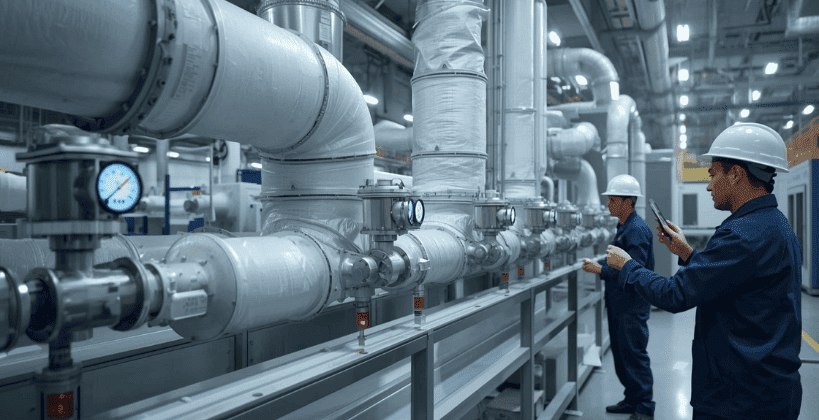
1. زيادة تحميل الفلتر وتراكم طبقة الغبار
تعتمد أجهزة تجميع الغبار على وسائط الترشيح لحجز الجزيئات المحمولة جوًا. مع مرور الوقت، تتراكم هذه الجزيئات على سطح المرشح مُشكّلةً ما يُعرف بطبقة الغبار. تُحسّن طبقة الغبار الرقيقة والمتساوية كفاءة الترشيح من خلال توفير حاجز إضافي أمام الجزيئات الدقيقة. مع ذلك، عندما يصبح التراكم مفرطًا، فإنه يسد مسام المرشح ويُعيق تدفق الهواء. في صناعات مثل صناعة الإسمنت أو إنتاج المعادن، حيث يتولد غبار ناعم وكاشط، مثل الكلنكر أو الجزيئات المعدنية، بكميات كبيرة، قد تُحمّل المرشحات فوق طاقتها بسرعة إذا لم يكن نظام التنظيف يعمل بكفاءة. يؤدي هذا إلى انخفاض كبير في الضغط وانخفاض في سعة النظام.
2. أنظمة تنظيف غير كافية
تستخدم معظم أجهزة تجميع الغبار الحديثة أنظمة تنظيف تعمل بنفث الهواء النبضي أو عكسي لإزالة الغبار دوريًا من أسطح المرشحات. عند تعطل هذه الأنظمة - سواءً بسبب صمامات معيبة، أو ضغط هواء مضغوط غير كافٍ، أو فترات تنظيف غير مضبوطة بشكل صحيح - لا تتم إزالة طبقة الغبار بشكل فعال. ونتيجة لذلك، تبقى المرشحات متسخة، مما يؤدي إلى زيادة مقاومة الهواء بشكل مطرد. في الحالات القصوى، قد يؤدي التنظيف غير الفعال إلى تقليل عمر المرشح بمقدار 50% أو أكثر، مما يزيد من تكاليف الاستبدال ووقت توقف النظام.
3. نسبة غير مناسبة بين الهواء والقماش
نسبة الهواء إلى القماش (نسبة A/C) تشير إلى حجم الهواء المار عبر كل قدم مربع من وسائط الترشيح. إذا كانت هذه النسبة مرتفعة جدًا، فإن المرشحات تُحمّل فوق طاقتها، مما يؤدي إلى ضعف التقاط الغبار وزيادة انخفاض الضغط. على سبيل المثال، إذا تم تشغيل نظام مصمم لنسبة A/C تبلغ 5:1 بنسبة أقرب إلى 10:1، فإن المرشحات ستُحمّل فوق طاقتها، مما يؤدي إلى انسدادها بشكل أسرع بكثير من المتوقع. توصي أفضل الممارسات الصناعية بالحفاظ على النسب بين 3:1 و6:1، وذلك حسب التطبيق ونوع الغبار. غالبًا ما يحدث عدم الحفاظ على النسب المناسبة عند زيادة متطلبات الإنتاج دون إجراء ترقيات مقابلة لنظام تجميع الغبار.
4. التسريبات والانسدادات في مجاري الهواء
يلعب نظام مجاري الهواء دورًا حاسمًا في نقل الهواء المحمل بالغبار إلى المجمع. تسمح التسريبات في مجاري الهواء بدخول الهواء النظيف أو خروج الهواء المحمل بالغبار، مما يؤثر على أداء النظام ويقلل من كفاءته. من ناحية أخرى، تحد الانسدادات من تدفق الهواء وتؤدي إلى توزيع غير متساوٍ، مما يجعل بعض شفاطات الغبار تعمل بكفاءة أقل. أظهرت دراسة حالة من مصنع للصلب أن انسدادًا في مجرى هواء بقوة 10% أدى إلى انخفاض تدفق الهواء بما يقارب 20%، وهو مثال صارخ على كيف يمكن حتى للعوائق الصغيرة أن تُسبب مشاكل تشغيلية كبيرة. تُعد عمليات فحص مجاري الهواء الدورية ضرورية لمنع مثل هذه الخسائر.
5. ضعف أداء المروحة
تُعدّ المراوح المحرك الرئيسي لتدفق الهواء في أنظمة تجميع الغبار. إذا كانت المروحة غير مناسبة الحجم، أو بالية، أو غير قادرة على تحمل الضغط الساكن المطلوب للنظام، سينخفض تدفق الهواء بشكل كبير. ومن الأسباب الشائعة لذلك: تآكل دافعات المروحة، أو تلف المحامل، أو تراكم الغبار داخل غلاف المروحة. حتى المروحة التي تتم صيانتها جيدًا قد لا تعمل بكفاءة إذا لم يتم اختيارها بشكل صحيح للنظام أثناء التصميم. وهذا لا يقلل من كفاءة تجميع الغبار فحسب، بل يهدر الطاقة أيضًا، حيث تستهلك المروحة طاقة أكبر دون تقديم الأداء المتوقع.
6. التغيرات البيئية وتغيرات العمليات
تلعب العوامل الخارجية والمتعلقة بالعملية دورًا رئيسيًا في أداء النظام. إذ يمكن أن تؤثر التغيرات في درجة الحرارة أو الرطوبة أو كمية الغبار بشكل كبير على انخفاض الضغط. فعلى سبيل المثال، في المناطق ذات الرطوبة العالية، قد تمتص جزيئات الغبار الرطوبة، فتصبح لزجة ويصعب إزالتها من المرشحات، مما يؤدي إلى تراكم مفرط ومقاومة عالية. وبالمثل، فإن الزيادات المفاجئة في الإنتاج التي تتجاوز قدرة التصميم على امتصاص الغبار قد تُرهق المرشحات. لذا، يجب مراعاة التغيرات الموسمية وتقلبات العملية عند تصميم وصيانة أجهزة تجميع الغبار.
حلول عملية وأفضل الممارسات
1. مراقبة وصيانة المرشحات
تُعدّ المرشحات خط الدفاع الأول في أجهزة تجميع الغبار، ويؤثر أداؤها بشكل مباشر على انخفاض الضغط وتدفق الهواء. يُمكّن استخدام مقاييس فرق الضغط المشغلين من تتبع حالة المرشحات في الوقت الفعلي. إذا تجاوزت القراءات المستويات الموصى بها - والتي تتراوح عادةً بين 6 و8 بوصات من عمود الماء لمعظم التطبيقات - فهذه إشارة واضحة إلى أن المرشحات بحاجة إلى تنظيف أو استبدال. قد يؤدي إهمال ذلك إلى أعطال مفاجئة في النظام أو توقفات مكلفة.
بالإضافة إلى ذلك، يُمكن أن يُحسّن استخدام وسائط ترشيح عالية الكفاءة، مثل المرشحات المطلية بمادة PTFE أو مرشحات الألياف النانوية، الأداء بشكل كبير مع الغبار الناعم أو اللزج أو الممتص للرطوبة. تُقلل هذه المواد المتطورة من الانسداد وتُطيل عمر المرشح، مما يُقلل من عدد مرات استبداله ويُخفض تكاليف التشغيل.
2. تحسين دورات التنظيف
صُممت أنظمة التنظيف، وخاصةً أجهزة تجميع النفث النبضي، لاستعادة نفاذية المرشح عن طريق إزالة الغبار. مع ذلك، إذا أُسيء إدارة دورات التنظيف، فقد تُسبب مشاكل أكثر مما تحل. على سبيل المثال:
- التنظيف المتكرر للغاية يهدر الهواء المضغوط، ويزيد من تآكل المرشحات، ويرفع تكاليف الطاقة.
- التنظيف غير المتكرر يسمح بتراكم مفرط لطبقة الغبار، مما يتسبب في ارتفاع حاد في انخفاض الضغط.
ينبغي على المشغلين التحقق من سلامة عمل صمامات النبض، وأن ضغط الهواء المضغوط لا يزال ضمن مواصفات الشركة المصنعة الأصلية، والتي تتراوح عادةً بين 70 و90 رطل لكل بوصة مربعة. ويمكن تحقيق التوازن بين عمر المرشح واستهلاك الطاقة وكفاءة النظام الإجمالية من خلال ضبط فترات التنظيف بدقة لتتناسب مع كميات الغبار الفعلية.
3. الحفاظ على نسب مناسبة بين الهواء والقماش
تُعدّ نسبة الهواء إلى القماش (A/C) من أهمّ معايير التصميم والتشغيل لأجهزة تجميع الغبار. فإذا طُلب من النظام التعامل مع تدفق هواء أكبر من المُصمّم له أصلاً، ستُحمّل المرشحات فوق طاقتها وتُسدّ قبل الأوان. لذا، فإنّ إعادة حساب نسب الهواء إلى القماش بانتظام يضمن مواكبة النظام لمتطلبات الإنتاج الفعلية.
عند توسع العمليات أو زيادة كميات الغبار، قد يكون من الضروري الترقية إلى مجمع غبار أكبر أو إضافة وحدات ترشيح إضافية. في بعض الحالات، يمكن أن يساعد التحديث باستخدام مرشحات أكثر كفاءة في إدارة تدفق هواء أعلى دون التأثير على الأداء.
4. فحص مجاري الهواء والمراوح
تعتمد كفاءة نظام تجميع الغبار بشكل كبير على سلامة قنواته ومروحة التهوية. فالتسريبات في القنوات تقلل من قوة الشفط عند نقاط التجميع، بينما تعيق الانسدادات أو التآكل تدفق الهواء وتزيد من مقاومة النظام. ويمكن تجنب هذه المشكلات بإجراء فحوصات دورية - يُفضل كل ثلاثة أشهر - وجدولة تنظيف شامل للقنوات مرة واحدة على الأقل سنويًا (وبشكل متكرر في البيئات التي تكثر فيها الأتربة).
تُعدّ المراوح، باعتبارها "قلب" النظام، من العناصر التي يجب صيانتها بعناية فائقة. فتآكل المروحة، أو تلف المحامل، أو عدم محاذاتها بشكل صحيح، قد يُقلّل الأداء بشكل كبير. كما أن ضمان اختيار حجم المراوح المناسب لمتطلبات الضغط الساكن للنظام أمرٌ بالغ الأهمية؛ فالمروحة ذات الحجم غير المناسب لن تُوفّر تدفق هواء كافيًا، مهما كانت جودة صيانة باقي أجزاء النظام.
3. الحفاظ على نسب مناسبة بين الهواء والقماش
تعتمد ممارسات الصيانة التقليدية غالبًا على جداول زمنية ثابتة، مما قد يؤدي إلى إغفال المؤشرات المبكرة لمشاكل النظام. تستفيد الصيانة التنبؤية من أجهزة الاستشعار الحديثة وأدوات المراقبة لاكتشاف المشاكل قبل تفاقمها. يوفر تركيب أجهزة الاستشعار لتتبع تدفق الهواء والضغط الساكن وحالة المرشحات معلومات قيّمة في الوقت الفعلي.
تستطيع أنظمة المراقبة المتقدمة المدعومة بتقنية إنترنت الأشياء إرسال تنبيهات تلقائية عند انحراف المعايير عن النطاقات الآمنة، مما يساعد المشغلين على الاستجابة بشكل استباقي. وتشير الدراسات إلى أن الصيانة التنبؤية يمكن أن تقلل من وقت التوقف غير المخطط له بنسبة تصل إلى 25% وتطيل عمر المعدات بشكل ملحوظ. وفي الصناعات التي تتسم بكثافة الغبار والمخاطر العالية، أصبح هذا النهج المعيار الجديد بسرعة.
4. فحص مجاري الهواء والمراوح
تعتمد كفاءة نظام تجميع الغبار بشكل كبير على سلامة قنواته ومروحة التهوية. فالتسريبات في القنوات تقلل من قوة الشفط عند نقاط التجميع، بينما تعيق الانسدادات أو التآكل تدفق الهواء وتزيد من مقاومة النظام. ويمكن تجنب هذه المشكلات بإجراء فحوصات دورية - يُفضل كل ثلاثة أشهر - وجدولة تنظيف شامل للقنوات مرة واحدة على الأقل سنويًا (وبشكل متكرر في البيئات التي تكثر فيها الأتربة).
تُعدّ المراوح، باعتبارها "قلب" النظام، من العناصر التي يجب صيانتها بعناية فائقة. فتآكل المروحة، أو تلف المحامل، أو عدم محاذاتها بشكل صحيح، قد يُقلّل الأداء بشكل كبير. كما أن ضمان اختيار حجم المراوح المناسب لمتطلبات الضغط الساكن للنظام أمرٌ بالغ الأهمية؛ فالمروحة ذات الحجم غير المناسب لن تُوفّر تدفق هواء كافيًا، مهما كانت جودة صيانة باقي أجزاء النظام.
5. تطبيق الصيانة التنبؤية
تعتمد ممارسات الصيانة التقليدية غالبًا على جداول زمنية ثابتة، مما قد يؤدي إلى إغفال المؤشرات المبكرة لمشاكل النظام. تستفيد الصيانة التنبؤية من أجهزة الاستشعار الحديثة وأدوات المراقبة لاكتشاف المشاكل قبل تفاقمها. يوفر تركيب أجهزة الاستشعار لتتبع تدفق الهواء والضغط الساكن وحالة المرشحات معلومات قيّمة في الوقت الفعلي.
تستطيع أنظمة المراقبة المتقدمة المدعومة بتقنية إنترنت الأشياء إرسال تنبيهات تلقائية عند انحراف المعايير عن النطاقات الآمنة، مما يساعد المشغلين على الاستجابة بشكل استباقي. وتشير الدراسات إلى أن الصيانة التنبؤية يمكن أن تقلل من وقت التوقف غير المخطط له بنسبة تصل إلى 25% وتطيل عمر المعدات بشكل ملحوظ. وفي الصناعات التي تتسم بكثافة الغبار والمخاطر العالية، أصبح هذا النهج المعيار الجديد بسرعة.
المعايير واللوائح الصناعية
لا تقتصر فوائد أنظمة تجميع الغبار على تحسين الكفاءة فحسب، بل إنها ضرورية أيضاً للامتثال للوائح السلامة المهنية والبيئية. وتوفر العديد من المنظمات الرئيسية معايير يجب على الصناعات اتباعها لحماية العمال والمنشآت.
- إدارة السلامة والصحة المهنية (OSHA)إدارة السلامة والصحة المهنية): تُلزم إدارة السلامة والصحة المهنية (OSHA) أماكن العمل الصناعية بالحفاظ على جودة هواء آمنة، مع تحديد حدود للتعرض للغبار القابل للاستنشاق تصل إلى 5 ملغم/م³ كمتوسط مرجح زمنيًا لمدة 8 ساعات. تجاوز هذه الحدود قد يؤدي إلى مخاطر صحية جسيمة للعمال، بما في ذلك تلف الرئة وأمراض الجهاز التنفسي المزمنة. كما أن عدم الامتثال لمعايير إدارة السلامة والصحة المهنية يُعرّض الشركات لغرامات ومخاطر على سمعتها.
- NFPA 654 (الرابطة الوطنية للحماية من الحرائق): يركز هذا المعيار على منع الحرائق وانفجارات الغبار في المنشآت الصناعية. إذ يُمكن أن يُؤدي تراكم الغبار، وخاصةً الغبار القابل للاشتعال مثل غبار الخشب والحبوب وجزيئات المعادن الدقيقة، إلى خلق ظروف خطرة إذا لم يتم التحكم فيه بشكل صحيح. ويُبرز معيار NFPA 654 أهمية جمع الغبار بشكل فعال والحفاظ على نظافة المنشأة لتقليل هذه المخاطر، مما يجعل الامتثال جزءًا أساسيًا من سلامة المصنع.
- ACGIH (المؤتمر الأمريكي لخبراء الصحة الصناعية الحكوميين): يُقدّم المؤتمر الأمريكي لخبراء الصحة الصناعية الحكوميين (ACGIH) إرشاداتٍ لالتقاط الغبار بكفاءة، مُوصيًا بسرعات التقاط تتراوح بين 100 و500 قدم في الدقيقة، وذلك بحسب نوع الغبار والعملية. تضمن هذه القيم التقاط الملوثات بكفاءة من مصدرها قبل انتشارها في مكان العمل، مما يُقلّل من المخاطر الصحية وتآكل المعدات.
إنّ الالتزام بهذه المعايير ليس مجرد متطلب تنظيمي، بل هو استراتيجية استباقية لبناء عمليات أكثر أمانًا واستدامة وفعالية من حيث التكلفة. فالمنشآت التي تولي أهمية قصوى للامتثال لا تحمي موظفيها فحسب، بل تقلل أيضًا من المسؤولية القانونية، وتقلل من فترات التوقف عن العمل، وتضع نفسها في مصاف الشركات الرائدة المسؤولة في هذا القطاع.
نظرة مستقبلية: جمع الغبار بشكل أكثر ذكاءً
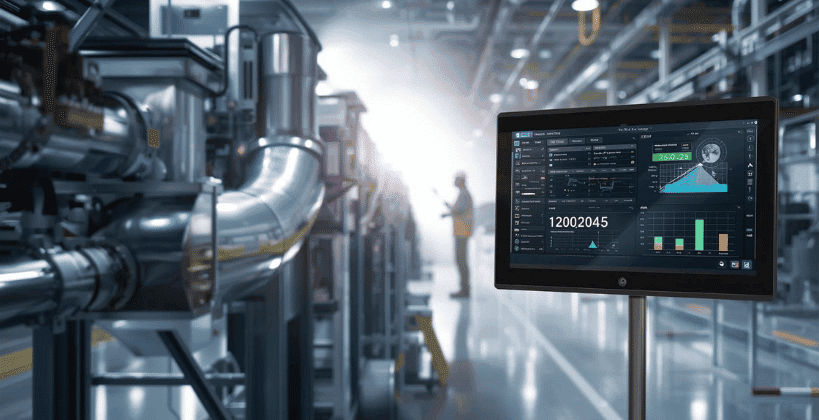
يشهد قطاع جمع الغبار تطوراً سريعاً، حيث تُعيد التقنيات الجديدة والأنظمة الذكية تشكيل كيفية إدارة المنشآت لجودة الهواء. ولا تقتصر فوائد هذه الابتكارات على تحسين الأداء فحسب، بل تُساعد الشركات أيضاً على تلبية المعايير البيئية الأكثر صرامة وخفض تكاليف التشغيل.
وسائط ترشيح متطورة
تفسح أكياس الترشيح التقليدية المجال أمام خيارات الجيل الجديد، مثل طلاءات الألياف النانوية وأغشية البولي تترافلوروإيثيلين الموسع (ePTFE). تعمل هذه المواد المتطورة على التقاط حتى الجسيمات متناهية الصغر بكفاءة أعلى مع الحفاظ على انخفاض ضغط أقل. والنتيجة هي هواء أنقى، وعمر أطول للفلتر، وصيانة أقل تكرارًا. بالنسبة للصناعات التي تتعامل مع الغبار الناعم أو اللزج - مثل الصناعات الدوائية والكيميائية والإسمنتية - توفر هذه المرشحات تحسينًا كبيرًا في الأداء وعائدًا أسرع على الاستثمار.
يُحدث انتشار أجهزة تجميع الغبار المُزوّدة بتقنية إنترنت الأشياء تحولاً جذرياً في ممارسات الصيانة. فمن خلال التتبع المستمر لمعايير مثل تدفق الهواء، وفرق الضغط، ودورات التنظيف، تُوفر هذه الأنظمة رؤية فورية لأداء جهاز التجميع. وعند دمجها مع التحليلات التنبؤية، يُمكنها التنبؤ باحتياجات استبدال المرشحات، واكتشاف التسريبات، ومنع الأعطال قبل حدوثها. ووفقاً لدراسات القطاع، يُمكن للصيانة التنبؤية تقليل وقت التوقف غير المخطط له بنسبة تصل إلى 25%، مما يجعلها أداة قيّمة للمنشآت ذات الإنتاجية العالية.
المراوح الموفرة للطاقة ومحركات التردد المتغير (VFDs)
تُشكّل المراوح جزءًا كبيرًا من استهلاك الطاقة في أجهزة تجميع الغبار. يُتيح دمج محركات التردد المتغير (VFDs) تعديل سرعة المروحة بناءً على الطلب الفعلي، بدلًا من تشغيلها بكامل طاقتها باستمرار. هذا لا يُقلّل استهلاك الطاقة بنسبة تصل إلى 30% فحسب، بل يُطيل أيضًا عمر المروحة والمحرك. بالنسبة للمنشآت التي تواجه ارتفاعًا في تكاليف الطاقة، تُمثّل محركات التردد المتغير (VFDs) أحد أكثر التحسينات فعالية من حيث التكلفة.
أنظمة الترشيح الهجينة
في قطاعات مثل صناعة الإسمنت والصلب وتوليد الطاقة، تزداد شعبية الأنظمة الهجينة التي تجمع بين المرسبات الكهروستاتيكية والمرشحات النسيجية. تعمل المرسبات الكهروستاتيكية على إزالة الجزيئات الكبيرة بأقل مقاومة، بينما تلتقط المرشحات النسيجية الغبار الناعم المتبقي. يضمن هذا المزيج تدفق هواء أكثر استقرارًا، ومقاومة أقل على المدى الطويل، وكفاءة تجميع أعلى، حتى في البيئات ذات الأحمال العالية من الغبار. كما تدعم الأنظمة الهجينة المصانع في تلبية حدود الانبعاثات المنخفضة للغاية التي تحددها الهيئات التنظيمية في جميع أنحاء العالم.
خاتمة
لا يُعدّ انخفاض الضغط العالي وضعف تدفق الهواء في أجهزة تجميع الغبار مجرد مشكلات فنية مزعجة، بل يؤثران بشكل مباشر على صحة العاملين وكفاءة الإنتاج والامتثال للوائح. ومن خلال فهم الأسباب وتطبيق أفضل الممارسات وتبني التقنيات الحديثة، يمكن للصناعات تحقيق هواء أنظف وعمر أطول للمعدات وخفض تكاليف التشغيل.
إذا كانت منشأتك تعاني من مشاكل في أداء نظام تجميع الغبار، فقد حان وقت التغيير. استكشف حلولاً مبتكرة، وحسّن ممارسات الصيانة، واستثمر في أنظمة أكثر ذكاءً تُحقق نتائج ثابتة. تواصل مع شركة إنتنسيف فلتر هيمينفيرو اليوم لتكتشف كيف يمكن لتقنيات الترشيح المتقدمة لدينا مساعدتك في تحسين نظام تجميع الغبار لديك.
اكتشف مجموعة الحلول لدينا:
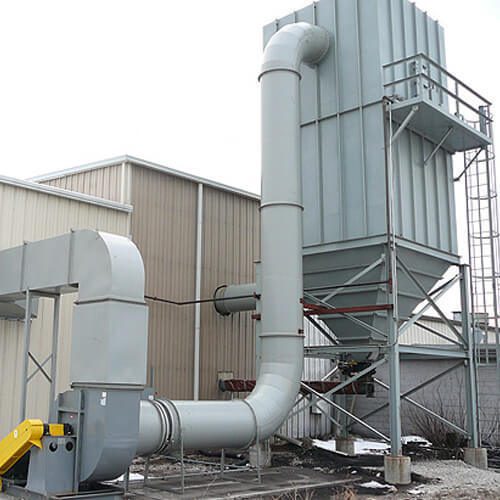

الأسئلة الشائعة
يشير انخفاض الضغط إلى المقاومة التي يواجهها الهواء أثناء مروره عبر نظام تجميع الغبار، وخاصةً عبر المرشحات. ويُقاس بوحدة بوصة من مقياس الماء (بوصة wg). يدل انخفاض الضغط الطبيعي على أداء المرشحات بشكل سليم، بينما يشير انخفاض الضغط المرتفع غالبًا إلى انسداد المرشحات أو زيادة حمولتها.
يؤدي انخفاض تدفق الهواء إلى تقليل قدرة النظام على التقاط الغبار من مصدره. وهذا قد يسمح بتسرب جزيئات ضارة إلى مكان العمل، وإتلاف المعدات، بل وحتى مخالفة لوائح السلامة. وفي الحالات الشديدة، قد يتراكم الغبار في مجاري الهواء، مما يزيد من خطر نشوب حريق أو انفجار.
نسبة الهواء إلى القماش (A/C) تقيس كمية الهواء التي تمر عبر كل قدم مربع من وسائط الترشيح. إذا كانت النسبة مرتفعة جدًا (مثلًا، أعلى من 10:1)، فإن المرشحات تُصبح مُحمّلة فوق طاقتها وتُسدّ بسرعة أكبر. توصي أفضل الممارسات في هذا المجال بالحفاظ على النسب بين 3:1 و6:1 حسب التطبيق.
 AR
AR  EN_US
EN_US  UR
UR  NL
NL  MS
MS  DE
DE  FR
FR  IT
IT  FA
FA  VI
VI  KO
KO  RU
RU  ID
ID  FIL
FIL  KK
KK  UZ
UZ  BG
BG  CS
CS  HU
HU  SL
SL  SV
SV  PL
PL  TR
TR  FI
FI  ES
ES