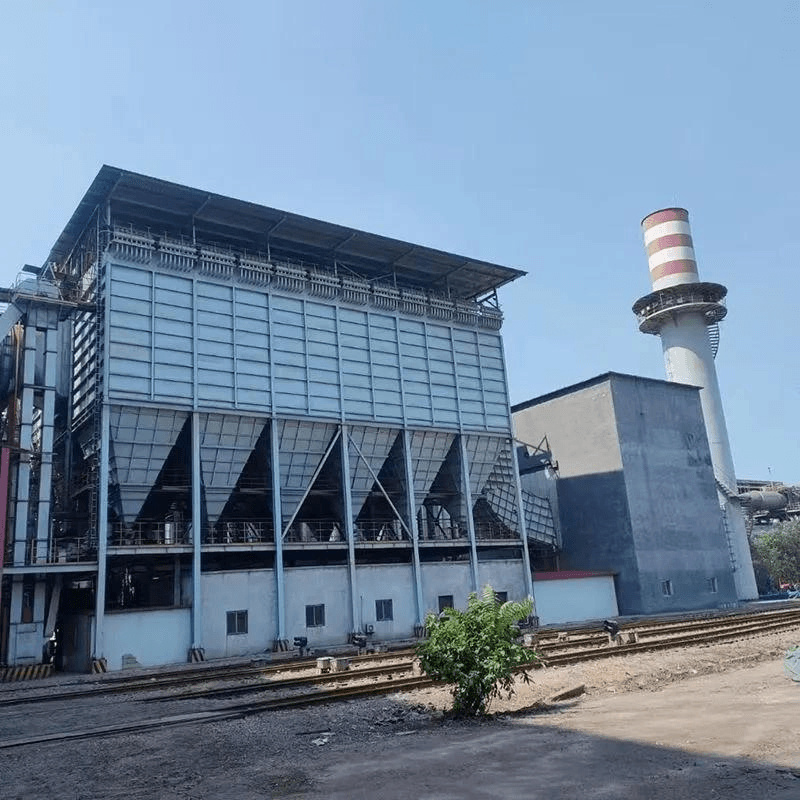
Järnoxiddammkontroll vid ståltillverkning: Bästa praxis och utrustning
Järnoxiddamm är en oundviklig biprodukt vid ståltillverkning. Fint metalldamm genereras kontinuerligt under hela produktionsprocessen, från råmaterialhantering och sinterverk till masugnar, valsverk och materialöverföringssystem.
Även om det ofta ses som en rutinmässig driftsutmaning, kan okontrollerat järnoxiddamm påverka arbetstagarnas säkerhet, påskynda slitage på utrustning, öka underhållskostnaderna och skapa problem med miljöefterlevnaden. För underhållsingenjörer och anläggningschefer är effektiv dammkontroll avgörande för att upprätthålla tillförlitlig och effektiv drift.
Varför järnoxiddammkontroll är viktigt
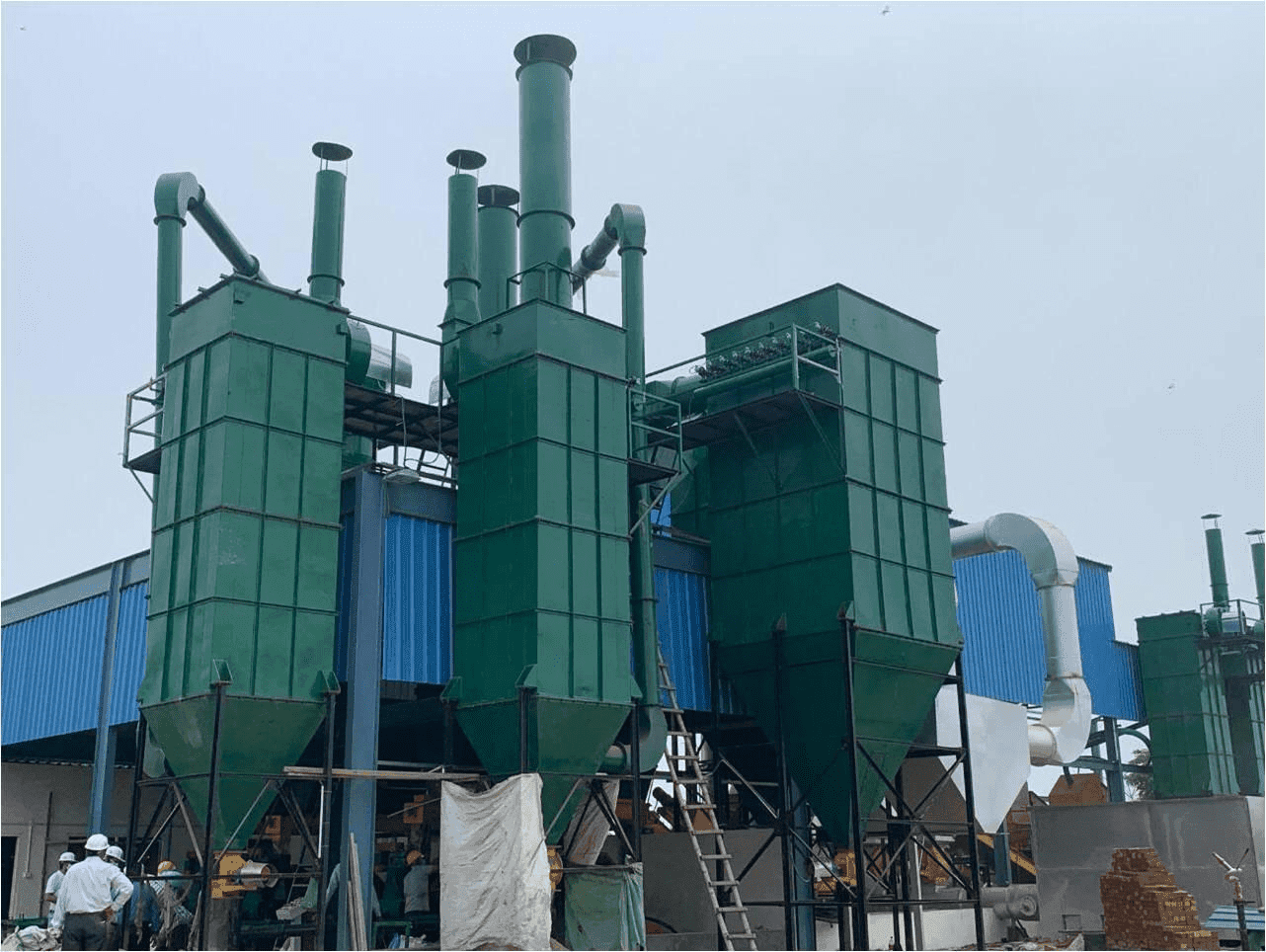
Ståltillverkningsmiljöer genererar stora mängder luftburna partiklar under krossning, siktning, transport, malning och materialhantering. Fina järnoxidpartiklar kan sväva kvar i luften och gradvis ackumuleras på utrustning, gångvägar, strukturer och elektriska installationer.
Med tiden kan dessa avlagringar bidra till problem med städningen, ökade underhållskrav och minskad utrustningstillförlitlighet. Damm som tränger in i motorer, lager, sensorer och elpaneler leder ofta till förtida fel och oplanerade driftstopp.
Effektiv kontroll av järnoxiddamm hjälper anläggningar att förbättra arbetsförhållandena samtidigt som viktiga anläggningstillgångar skyddas.
Vanliga källor till järnoxiddamm
Järnoxiddamm genereras vanligtvis överallt där ståltillverkningsmaterial bearbetas, överförs eller lagras. Höga dammkoncentrationer finns ofta runt lossningsstationer för råmaterial, sinteranläggningar, transportband, krossar, siktningssystem, masugnar och valsverk.
Utmaningen är inte bara att kontrollera synliga dammutsläpp utan också att fånga upp fina partiklar innan de sprids i hela anläggningen. Utan lämpliga uppsamlingssystem kan damm färdas långa sträckor och påverka flera produktionsområden.
Operativa utmaningar för underhållsteam
För underhållsingenjörer uppstår ofta dammrelaterade problem långt innan miljöproblem uppstår.
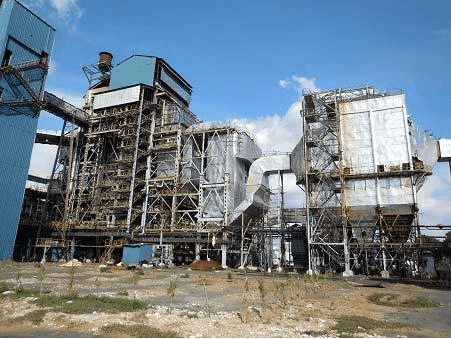
Ansamlat järnoxiddamm kan blockera sensorer, förorena smörjsystem, minska kyleffektiviteten och påskynda slitage på roterande utrustning. Elpaneler och instrument är särskilt sårbara eftersom fina partiklar kan komma in i kapslingar och påverka känsliga komponenter.
I takt med att stålverk ökar produktionskapaciteten blir dessa underhållsutmaningar mer frekventa och kostsamma. Proaktiva dammuppsamlingsstrategier hjälper till att minska utrustningsfel samtidigt som anläggningens tillgänglighet förbättras.
Varför påsfilter används flitigt
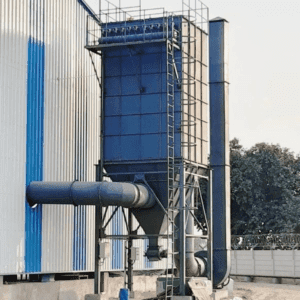
Påsfilter är fortfarande en av de mest effektiva teknikerna för filtrering av metalldamm på grund av deras förmåga att fånga upp mycket fina partiklar samtidigt som de bibehåller hög uppsamlingseffektivitet.
Dammmammig luft passerar genom specialiserade filtermedia där partiklar fångas upp innan ren luft släpps ut i atmosfären igen. Moderna system kan installeras vid överföringspunkter, krossar, materialhanteringsstationer och processutrustning för att kontrollera damm direkt vid källan.
För ståltillverkningsanläggningar som siktar på låga utsläppsnivåer ger påsfilter ofta en effektiv balans mellan prestanda, tillförlitlighet och driftskostnader.
ESP-teknikens roll
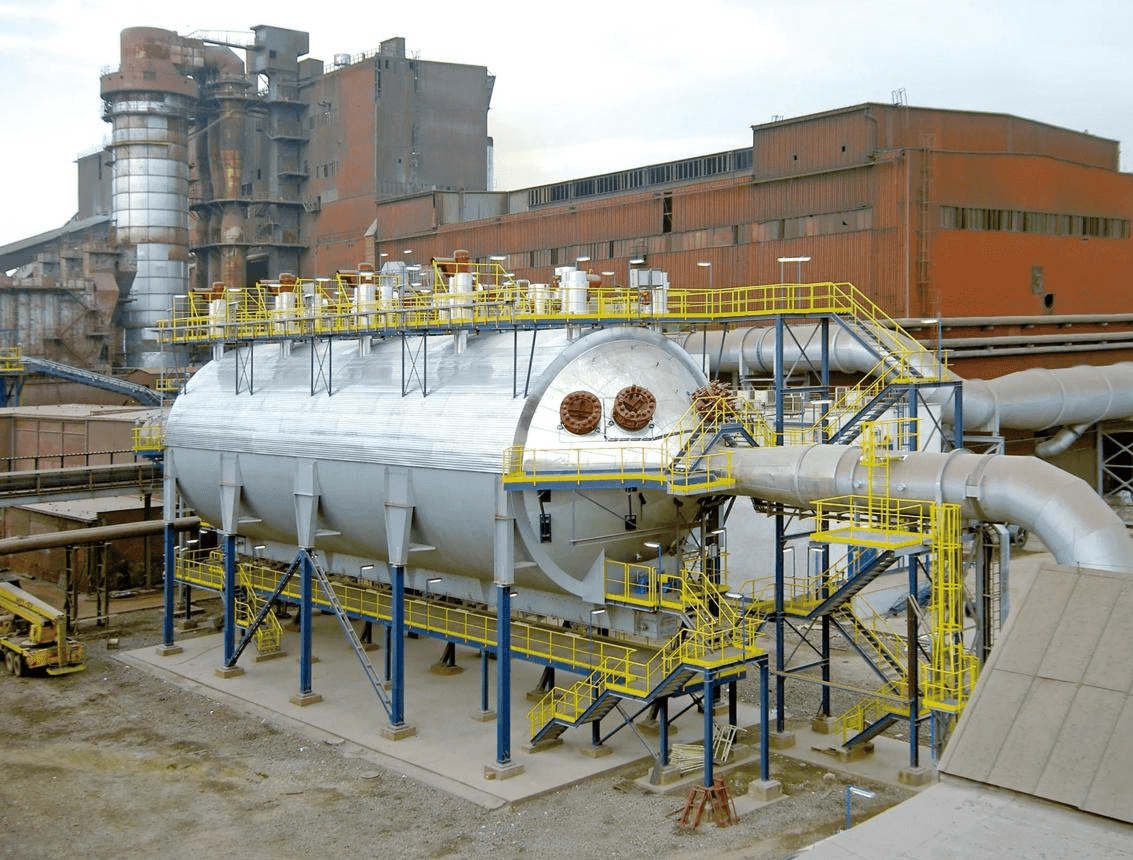
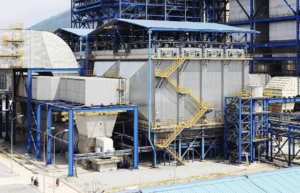
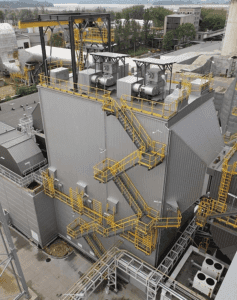
Elektrostatiska filter (ESP) fortsätter att spela en viktig roll i stora stål- och metallurgiska applikationer där stora gasvolymer måste behandlas effektivt.
Genom att använda elektrostatiska krafter för att separera partiklar från gasströmmar kan ESP-er hantera krävande industriella förhållanden samtidigt som de bibehåller relativt låga tryckfall. I många stålverk används ESP-er tillsammans med andra filtreringstekniker för att uppnå miljömässiga och operativa mål.
Valet mellan påsfilter och ESP beror vanligtvis på processförhållanden, dammegenskaper, utsläppsmål och tillgängligt installationsutrymme.
Vad underhållsingenjörer bör tänka på
Vid utvärdering av en järndammsamlare bör underhållskraven beaktas lika noggrant som filtreringseffektiviteten.
Faktorer som filtertillgänglighet, komponenternas hållbarhet, reservdelstillgänglighet, tryckfallsprestanda, energiförbrukning och enkel inspektion kan ha en betydande inverkan på livscykelkostnaderna. System som är enklare att underhålla ger ofta större långsiktigt värde genom att minska driftstopp och förbättra utrustningens tillförlitlighet.
Att arbeta med erfarna filtreringsspecialister kan bidra till att säkerställa att dammuppsamlingssystemen är korrekt anpassade till processförhållanden och anläggningens mål.
Slutsats
Järnoxiddamm är en ständig utmaning inom ståltillverkning, men det behöver inte bli ett driftsproblem. Med rätt dammuppsamlingsstrategi kan anläggningar minska underhållskostnader, förbättra arbetstagarnas säkerhet, skydda utrustning och stödja miljöefterlevnad.
Moderna påsfilter och ESP-system erbjuder beprövade lösningar för att kontrollera utsläpp av järnoxid i stålverk samtidigt som de förbättrar anläggningens totala prestanda. I takt med att produktionskraven fortsätter att öka är effektiv dammhantering fortfarande en avgörande del av tillförlitlig ståltillverkning.
Vanliga frågor
Vad är järnoxiddamm?
Järnoxiddamm är ett fint partikelformigt material som genereras vid ståltillverkning, materialhantering, slipning, krossning och andra metallbearbetningsoperationer.
Varför är järnoxiddamm skadligt för utrustning?
Fina partiklar kan komma in i motorer, lager, sensorer och elektriska system, vilket leder till ökat slitage, minskad tillförlitlighet och högre underhållskostnader.
Vilken filtreringsteknik är bäst för att kontrollera järnoxiddamm?
Både påsfilter och ESP-filter används i stor utsträckning. Den lämpligaste tekniken beror på stoftegenskaper, gasvolym, utsläppskrav och processförhållanden.
Var genereras järnoxiddamm vanligtvis?
Damm genereras ofta i sinteranläggningar, transportband, krossar, masugnar, valsverk och system för hantering av råmaterial.
Hur kan stålverk minska underhållsproblem orsakade av damm?
Genom att implementera effektiva dammuppsamlingssystem från källan, upprätthålla korrekta hushållsrutiner och välja filtreringstekniker utformade för ståltillverkningsmiljöer.
 SV
SV  EN_US
EN_US  UR
UR  AR
AR  NL
NL  MS
MS  DE
DE  FR
FR  IT
IT  FA
FA  VI
VI  KO
KO  RU
RU  ID
ID  FIL
FIL  KK
KK  UZ
UZ  BG
BG  CS
CS  HU
HU  SL
SL  PL
PL  TR
TR  FI
FI  ES
ES