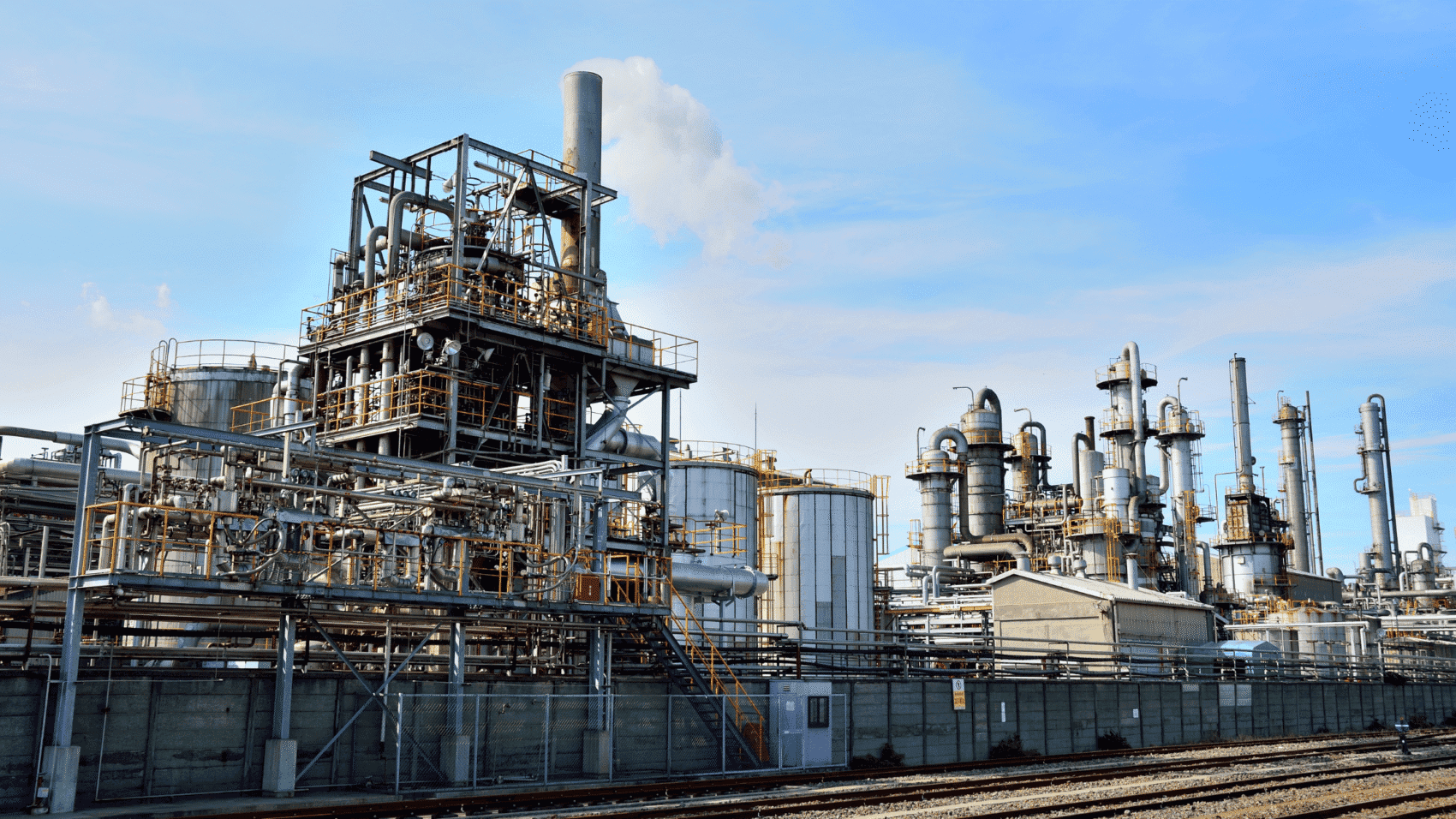
Odpylacze odgrywają kluczową rolę w nowoczesnym przemyśle, zapewniając czystsze powietrze, zdrowsze środowisko pracy i zgodność z rygorystycznymi normami emisji. Od pieców cementowych po huty, od elektrowni po zakłady chemiczne, systemy te zapobiegają przedostawaniu się szkodliwego pyłu i cząstek stałych do atmosfery. Mimo solidnej konstrukcji, nieszczelność odpylaczy pozostaje jednym z najczęstszych i najkosztowniejszych problemów, z jakimi borykają się operatorzy zakładów.
Wyciek to coś więcej niż tylko niedogodność. Może prowadzić do widocznej emisji pyłu, zużycia sprzętu, kar środowiskowych i strat energii. W branżach, w których bezawaryjna praca i zgodność z przepisami mają kluczowe znaczenie, nawet niewielki wyciek może mieć poważne konsekwencje. Dlatego zrozumienie pierwotnych przyczyn wycieków, ich wczesne wykrycie i umiejętność skutecznego usuwania są kluczowe dla każdego kierownika zakładu lub inżyniera utrzymania ruchu.
W Intensiv Filter Himenviro posiadamy wieloletnie doświadczenie w projektowaniu, produkcji i serwisowaniu zaawansowanych systemów odpylania na całym świecie. Ten poradnik łączy praktyczną wiedzę z wiedzą inżynierską, aby pomóc Ci rozwiązać problemy z wyciekami i zapobiec ich ponownemu wystąpieniu.
Zrozumienie nieszczelności odpylacza
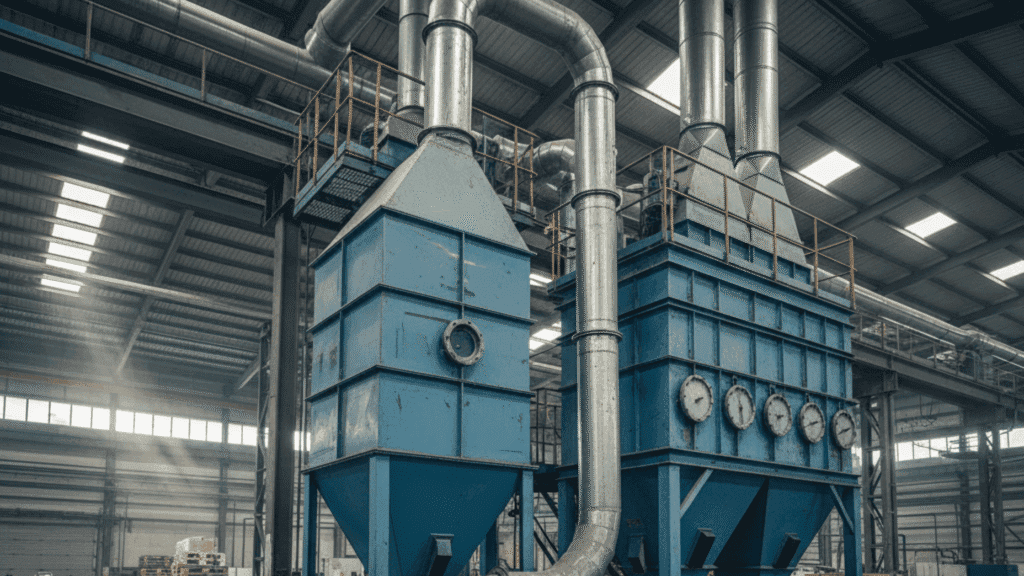
Nieszczelność w odpylaczu występuje, gdy niefiltrowane powietrze lub cząstki stałe wydostają się z systemu, zamiast zostać wychwytane i zatrzymane. Może to mieć miejsce w wielu miejscach – workach filtracyjnych, uszczelkach, ścianach sitowych, obudowach lub systemach czyszczących.
Wpływ wycieków jest często niedoceniany. Nawet niewielkie uszkodzenie może zmniejszyć wydajność zbierania, zwiększyć różnicę ciśnień, przeciążyć urządzenia znajdujące się dalej w systemie i spowodować niezgodność z normami ochrony środowiska. Z czasem wycieki obniżają wydajność całego systemu, wymuszając częste przestoje, zwiększając koszty konserwacji i skracając żywotność podzespołów.
Najczęstsze przyczyny nieszczelności odpylacza
Awarie worków filtracyjnych
Worki filtracyjne stanowią serce każdego filtra workowego lub odpylacza. Wychwytują one kurz, umożliwiając jednocześnie przepływ czystego powietrza. Są one jednak najbardziej narażone na zużycie. Rozdarcia, ścieranie, degradacja chemiczna lub narażenie na wysokie temperatury mogą osłabić tkaninę, tworząc otwory, przez które wydostaje się kurz. Nieprawidłowy montaż worków, na przykład złe osadzenie w płycie komór, to kolejna częsta przyczyna.
Problemy z uszczelkami i uszczelkami
Drzwiczki dostępowe, pokrywy inspekcyjne i gniazda worków wymagają uszczelek, aby zapewnić hermetyczne uszczelnienie. Z czasem uszczelki twardnieją, pękają lub tracą elastyczność pod wpływem ciepła i ciśnienia. Nawet niewielkie szczeliny pozwalają zakurzonemu powietrzu ominąć filtry i wydostać się bezpośrednio do otoczenia.
Nieprawidłowa różnica ciśnień
Sprawny odpylacz pracuje w zalecanym zakresie różnicy ciśnień. Zbyt wysokie ciśnienie obciąża worki filtracyjne, przyspieszając ich zużycie. Zbyt niskie ciśnienie sygnalizuje słabą filtrację lub nieszczelności. Nierównowaga ciśnień często przepycha pył przez słabe punkty, nasilając nieszczelności.
Uszkodzenia konstrukcyjne i korozja
Trudne warunki pracy – pył ścierny, gazy korozyjne lub wysoka wilgotność – mogą powodować erozję obudowy, ścian sitowych i zasobników. Korozja tworzy otwory lub słabe punkty, a naprężenia strukturalne mogą powodować pęknięcia. Oba te czynniki zapewniają bezpośrednie drogi ucieczki pyłu.
Niewłaściwa konserwacja
Zaniedbane systemy czyszczące, źle ustawione części i nieregularne kontrole często przyczyniają się do wycieków. Na przykład niesprawny zawór pulsacyjny lub zatkany wtryskiwacz uniemożliwiają prawidłowe czyszczenie worków, co prowadzi do przedwczesnych awarii i wycieków.
Jak wykryć nieszczelność odpylacza
Wczesne wykrycie wycieku zmniejsza przestoje i koszty napraw. Poleganie wyłącznie na widocznych emisjach pyłu jest ryzykowne, ponieważ wiele wycieków pozostaje ukrytych, dopóki nie staną się poważne. Branże stosują kilka metod dokładnej identyfikacji wycieków.
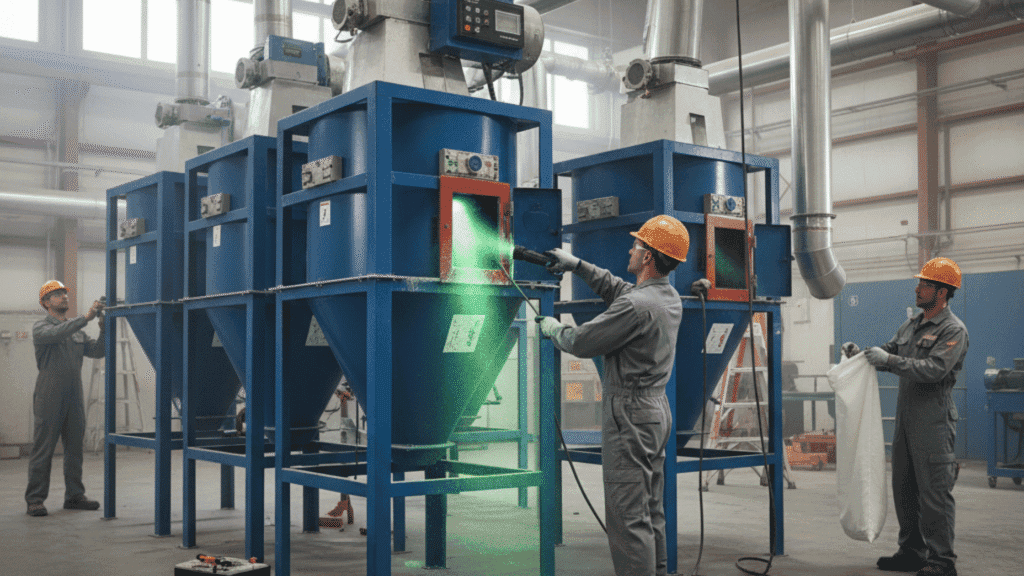
Jednym z najbardziej podstawowych objawów są nieprawidłowe odczyty różnicy ciśnień. Jeśli wartości ciśnienia odbiegają od oczekiwanego zakresu, może to wskazywać na uszkodzenie worka lub obejście powietrza. Powszechne są również testy dymowe – wprowadzenie nieszkodliwego dymu do układu i obserwacja punktów jego wydostawania się pomaga zlokalizować nieszczelności w obudowach lub uszczelkach. Test sprężonym powietrzem to kolejna metoda wykrywania perforacji worków lub uszkodzeń uszczelnień.
Bardziej zaawansowane rośliny polegają na systemy ciągłego monitorowania emisji (CEMS). Urządzenia te mierzą poziom cząstek stałych w kominie w czasie rzeczywistym, zapewniając, że każdy wzrost emisji natychmiast sygnalizuje potencjalny problem z wyciekiem. Łącząc ręczne inspekcje z automatycznym monitorowaniem, przedsiębiorstwa mogą zachować proaktywną kontrolę nad swoimi systemami odpylania.
Instrukcja krok po kroku, jak naprawić nieszczelność w odpylaczu
Naprawa nieszczelnego odpylacza wymaga metodycznego podejścia. Poniższe kroki są powszechnie stosowane w przemysłowych praktykach konserwacyjnych:
1. Sprawdź i wymień worki filtrujące
Worki filtracyjne należy sprawdzać pod kątem widocznych uszkodzeń, śladów zużycia lub nieprawidłowego osadzenia. Każdy uszkodzony worek należy natychmiast wymienić na nowy, wykonany z materiału odpowiedniego do danego środowiska pracy. Na przykład, procesy wysokotemperaturowe mogą wymagać specjalistycznych tkanin, takich jak aramid lub włókno szklane, podczas gdy agresywne chemicznie środowiska wymagają materiałów powlekanych PTFE lub odpornych na kwasy. Prawidłowe techniki montażu mają kluczowe znaczenie dla zapobiegania wyciekom od samego początku.
2. Sprawdź i wymień uszczelki i podkładki
Uszczelki drzwi, uszczelki ścian sitowych i połączenia worka z płytą muszą być szczelne. Wymiana starych lub uszkodzonych uszczelek na wysokiej jakości, odporne na temperaturę uszczelki przywraca szczelność systemu. Równomierne dokręcenie drzwi i pokryw dodatkowo zapobiega przedostawaniu się powietrza i kurzu.
3. Napraw wady konstrukcyjne
Ściany sitowe, leje samowyładowcze i ściany obudowy należy dokładnie sprawdzić pod kątem korozji, pęknięć lub perforacji. Spawanie lub łatanie drobnych uszkodzeń może przywrócić integralność, natomiast silnie skorodowane sekcje mogą wymagać wymiany. Powłoki ochronne i materiały odporne na korozję pomagają wydłużyć żywotność podzespołów.
4. Optymalizacja różnicy ciśnień i systemów czyszczących
Należy sprawdzić poprawność działania systemu czyszczenia strumieniem pulsacyjnym lub strumieniem powietrza wstecznego. Wadliwe zawory, timery lub dysze mogą zmniejszyć wydajność czyszczenia, powodując przeciążenie worków pyłem. Po naprawie, kalibracja systemu zapewnia utrzymanie prawidłowego spadku ciśnienia, równoważąc wydajność filtracji z ochroną worków.
5. Przeprowadź testy końcowe i monitorowanie
Po naprawie system powinien zostać poddany testom dymowym lub przepływu powietrza w celu potwierdzenia szczelności. Ciągły monitoring różnicy ciśnień i emisji zapobiega ponownemu pojawieniu się nieszczelności. Prowadzenie rejestru danych pomaga w identyfikacji długoterminowych trendów w wydajności systemu.
Środki zapobiegawcze zapobiegające przyszłym wyciekom
Chociaż usuwanie przecieków jest niezbędne, zapobieganie jest jeszcze bardziej opłacalne. Dobrze zaplanowana strategia konserwacji gwarantuje niezawodną i szczelną pracę przez lata.
Regularne kontrole to pierwsza linia obrony. Regularne sprawdzanie worków filtracyjnych, uszczelek i obudów zapobiega eskalacji drobnych usterek. Używając tylko Oryginalne części zamienne od Intensiv Filter Himenviro gwarantuje kompatybilność i trwałość. Wiele usterek w terenie jest związanych z częściami zamiennymi niskiej jakości, które negatywnie wpływają na szczelność i wydajność.
Równie ważne jest szkolenie operatorów. Wykwalifikowany personel potrafi rozpoznać nieprawidłowe odczyty ciśnienia, wczesne smugi pyłu lub nietypowe dźwięki sugerujące wycieki. Reagując na te wczesne ostrzeżenia, zakłady mogą uniknąć nieplanowanych przestojów.
Dla branż borykających się z nawracającymi wyciekami, modernizacja poprzez zastosowanie nowoczesnych technologii może być najlepszym rozwiązaniem. Zaawansowane tkaniny filtracyjne, ulepszone systemy czyszczenia i hybrydowe technologie filtracji oferowane przez Intensiv Filter Himenviro zapewniają wyższą wydajność, dłuższą żywotność worków i większą niezawodność.
Znaczenie branżowe i zgodność z przepisami
W dzisiejszym otoczeniu regulacyjnym wycieki to coś więcej niż problem operacyjny – to ryzyko naruszenia przepisów. Agencje ochrony środowiska na całym świecie nakładają surowe limity emisji pyłów. Nieprzestrzeganie ich może skutkować grzywnami, nakazami zamknięcia lub uszczerbkiem na reputacji.
W branżach takich jak cementownia czy energetyka, gdzie emisje są stale monitorowane, nawet krótkotrwały wyciek może skutkować karami. Utrzymując szczelność systemu, firmy nie tylko chronią swoich pracowników i środowisko, ale także zapewniają nieprzerwaną działalność i unikają kosztownych konsekwencji prawnych.
Dlaczego Intensiv Filter Himenviro jest zaufanym partnerem
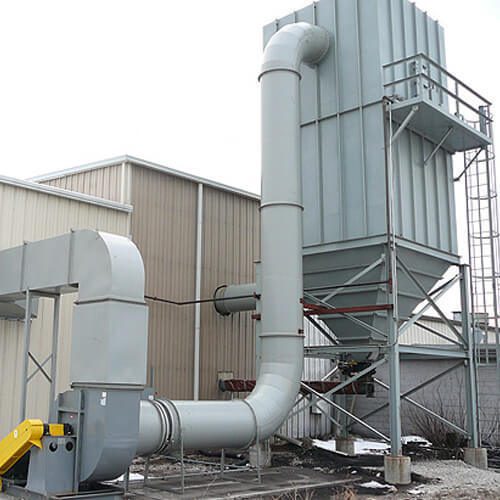
Dzięki tradycji niemieckiej inżynierii i dziesięcioleciom doświadczenia w branży, Intensiv Filter Himenviro to coś więcej niż producent – to dostawca rozwiązań. Nasze odpylacze są projektowane indywidualnie dla każdego procesu, co gwarantuje wysoką wydajność i niezawodność. Oprócz dostawy sprzętu, oferujemy:
- Kompleksowe audyty i inspekcje w celu identyfikacji ryzyka wycieku.
- Części zamienne i komponenty OEM dla zapewnienia stałego uszczelnienia i wydajności.
- Modernizacje i ulepszenia systemów aby starzejące się rośliny spełniały współczesne standardy.
- Globalny serwis i wsparcie aby zapewnić wydajną pracę systemów.
Współpracując z nami, przedsiębiorstwa zyskują dostęp do najnowocześniejszych technologii i bezkonkurencyjnej wiedzy fachowej w zakresie odpylania i kontroli zanieczyszczenia powietrza.
Wniosek
Wycieki w odpylaczu, choć powszechne, można całkowicie opanować dzięki odpowiedniemu podejściu. Dzięki zrozumieniu przyczyn, wczesnemu wykryciu i zastosowaniu systematycznych metod naprawy, przedsiębiorstwa mogą chronić wydajność, zgodność z przepisami i rentowność. Praktyki zapobiegawcze i niezawodne części zamienne minimalizują ryzyko wycieków, a zaawansowane modernizacje mogą zapewnić trwałość systemu.
Na Intensywny filtr Himenviro, Jesteśmy zaangażowani w dostarczanie rozwiązań w zakresie bezszczelnego odpylania, które chronią Państwa działalność i środowisko. Jeśli Państwa zakład doświadcza problemów z wyciekami, nasz zespół jest gotowy zapewnić inspekcję, naprawę i rozwiązania dostosowane do indywidualnych potrzeb, aby przywrócić wydajność i zgodność z przepisami.
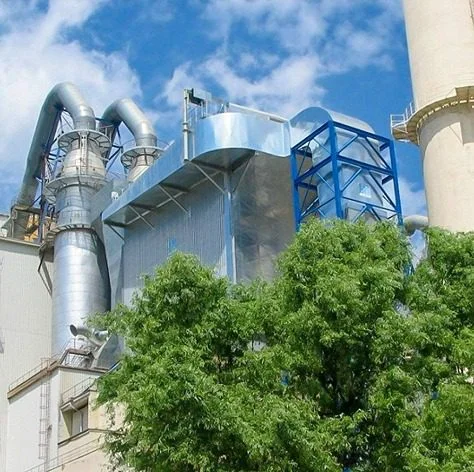
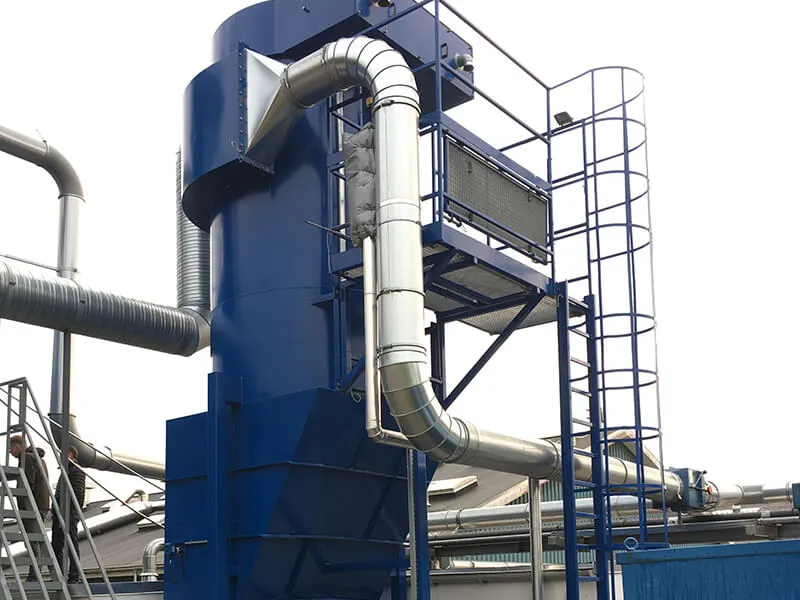
Odkryj naszą gamę rozwiązań:

Często zadawane pytania
Najbardziej oczywistym objawem jest widoczny kurz wydobywający się ze strony “czystego powietrza” kolektora lub ze złączy w przewodach wentylacyjnych. Zmniejszona siła ssania w okapach zbiorczych może również wskazywać na znaczny wyciek.
Najczęstszymi przyczynami są uszkodzone lub nieprawidłowo zamontowane filtry, zużyte lub brakujące uszczelki i uszczelnienia oraz rozdarcia worków filtracyjnych.
Zabrudzony, zatkany filtr może powodować wzrost ciśnienia w systemie, co może potencjalnie przepychać kurz przez uszczelki i inne słabe punkty, powodując wyciek. Chociaż sam filtr może nie mieć otworu, nadmierne ciśnienie może prowadzić do wycieku w innym miejscu.
Dobrą praktyką jest przeprowadzanie kontroli wizualnej przed i po każdym użyciu, lub przynajmniej regularnie, w zależności od częstotliwości użytkowania. W przypadku systemów przemysłowych okresowe testy szczelności są istotnym elementem regularnego programu konserwacji.
W przypadku małych pęknięć lub dziur naprawa może być możliwa. Jednak w przypadku filtrów lub uszczelek ze znacznymi uszkodzeniami lub dużym zużyciem, lepszym rozwiązaniem jest wymiana, aby zapewnić długotrwałą wydajność i zapobiec przyszłym wyciekom.
 PL
PL  EN_US
EN_US  UR
UR  AR
AR  NL
NL  MS
MS  DE
DE  FR
FR  IT
IT  FA
FA  VI
VI  KO
KO  RU
RU  ID
ID  FIL
FIL  KK
KK  UZ
UZ  BG
BG  CS
CS  HU
HU  SL
SL  SV
SV  TR
TR  FI
FI  ES
ES