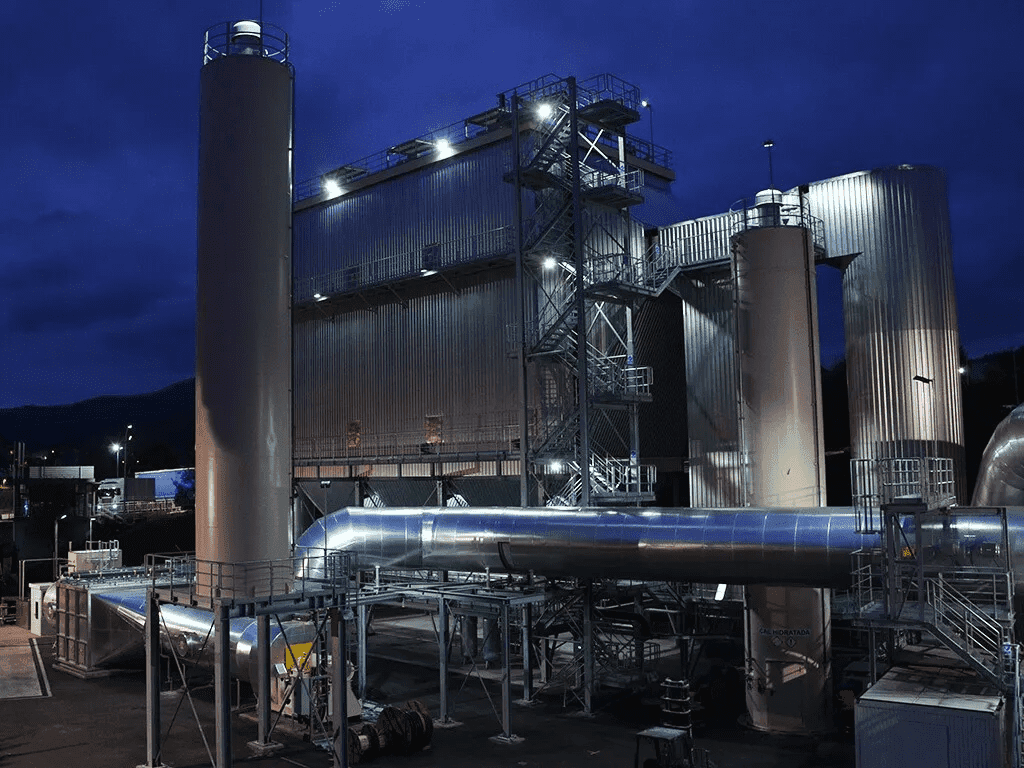
Gambaran Keseluruhan Ringkas
An electrostatic precipitator for bag filter combination helps industrial plants follow strict air rules.
- Industrial plants use an electrostatic precipitator for bag filter setups to keep the air clean.
- The right system choice depends on how hot the gas is, the type of dust, and the needed level of purity.
- Hybrid designs combine the low pressure drop of an industrial ESP with the high efficiency of a baghouse.
Understanding the Electrostatic Precipitator for Bag Filter System
An electrostatic precipitator for bag filter setup is an air pollution control technology that charges dust particles via corona discharge and captures them on plates or fabric media.
You can think of this system as a giant magnet for dust. It uses electricity to make dust particles stick to metal plates before they can move into the bag filter. This extra step stops most of the dust before it ever reaches the fabric bags. It learns the core principle here. An industrial electrostatic precipitator works with the bag filter to clear the air effectively.
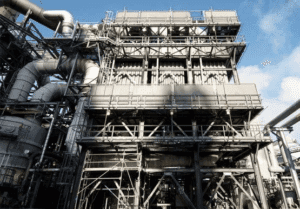
Precise Definition of Industrial ESP and Bag Filter
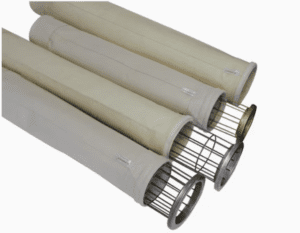
An industrial electrostatic precipitator uses high-voltage electricity to separate solid particles from a gas stream. This device relies on electrical charges to pull dust out of the air. A bag filter works differently because it acts like a giant vacuum cleaner bag. It physically traps dust using fabric bags through mechanical filtration. The choice between an industrial electrostatic precipitator and a bag filter usually involves balancing energy efficiency with emission stability for a specific facility.
Key Components of an Industrial Electrostatic Precipitator System
An electrostatic precipitator system contains several vital parts that work together to clean exhaust air. Maintenance crews often keep extra ESP spare parts on hand to prevent long shutdowns. Owners also prioritize regular ESP electrode replacement to keep the machine running well.
- Discharge electrodes create the corona field to ionize incoming dust particles.
- Collecting plates provide the surface where charged dust settles for removal.
- Rapping systems use mechanical hammers to vibrate plates and drop dust into hoppers.
- High voltage rectifiers convert plant power into the DC kilovolts needed for operation.
Comparing Electrostatic Precipitators vs Bag Filters for Industrial Plants
Choosing between an electrostatic precipitator vs bag filter depends on specific factory needs. Each ESP air filter and bag system removes dust, but they work in different ways. An electrostatic precipitator (ESP) works well because it creates a very low pressure drop. It usually stays between 300 and 500 Pa. This saves energy for the plant.
Bag filters offer better results for tiny dust. They catch fine particles down to the PM1 level with high success. However, ESP pollution control units handle much more heat. They can work in gas temperatures as high as 400 degrees Celsius without any damage to the parts inside.
| Ciri | Precipitator Elektrostatik | Penapis Beg |
|---|---|---|
| Pressure drop | Low (300–500 Pa) | Higher |
| Fine particle efficiency | bagus | Excellent (down to PM1) |
| Heat tolerance | High (up to 400°C) | Terhad |
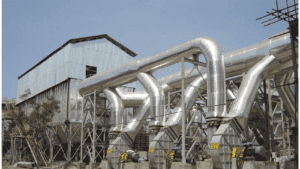
When to Choose an Electrostatic Precipitator for Bag Filter Applications
Selecting an electrostatic precipitator for cement plant operations or other heavy industries is common when the process involves large amounts of hot gas. The system handles these high volumes without needing frequent replacements.
Plants often choose this equipment based on these factors:
- Cement kilns use this technology to manage abrasive clinker dust. It also holds up well when the temperature changes quickly.
- Biomass power plants rely on these systems when the fuel creates sticky ash. This kind of ash clogs fabric bags easily, so the ESP is a smarter choice.
- Steel plants use this type of pollution control because the process gas stays very hot and contains heavy dust loads that would wear out filter bags too fast.
Addressing Performance Issues and Emission Norms
High emission from electrostatic precipitator systems often happens when internal parts fail. When collection plates become misaligned or rappers stop working, the system cannot catch dust effectively. This creates an ESP not meeting emission norms during daily operation.
Electrostatic precipitator efficiency low readings often point to ash problems. If the ash has very high resistivity, it creates a reverse corona effect. This stops the electrical charge from working on the dust particles. The dust then blows right through the unit and out of the stack.
Incorrect rapping frequency also causes trouble. If the system hits the plates too often or not enough, dust flies back into the gas stream. This is called dust re-entrainment. It results in thick, visible smoke leaving the chimney. Operators must adjust the timing of the rapping cycles to keep the plates clean without blowing the collected dust back into the air.
Retrofitting and Upgrading Existing ESP to Bag Filter Systems
Retrofitting an existing electrostatic precipitator for bag filter performance is a common way to meet CPCB norms. Many older plants find that their current equipment cannot keep up with tighter air quality rules. Instead of buying a new machine, they change the internal structure.
Engineers usually turn the final fields of the ESP into a pulse jet bag filter. This hybrid method stops dust from escaping the last stage. The bag filters act as a final barrier to catch any fine particles that the plates missed. This specific change makes a big difference in the total opacity levels.
- The plant keeps the existing outer casing to save money.
- This hybrid setup takes up less space than building a whole new system.
- It lowers the total cost compared to replacing the entire unit with a new ESP system manufacturer design.
- It allows an electrostatic precipitator manufacturer for cement plant projects to offer a faster upgrade path.
- These ESP retrofits allow owners to stay compliant with local laws without a long shutdown period.
When Not to Use an Electrostatic Precipitator
An electrostatic precipitator not working properly often occurs in plants that deal with highly variable dust loads. These devices struggle when the amount of dust changes quickly. If your factory has spikes in dust levels, the machine might fail to keep up. This leads to an ESP performance issue that reduces your air quality.
Also, avoid these units if your dust has extremely low electrical resistivity. The dust particles need to hold a charge to stick to the plates. If the resistivity is too low, the dust slides right off the metal. It then moves straight out into the exhaust.
Finally, stay away from standard models if your facility handles explosive materials. These environments need special safety designs. A standard machine may cause a spark, which creates a dangerous situation. Always check your dust properties before you install one.
Practical Example: Optimizing a Cement Plant ESP for Low Emission
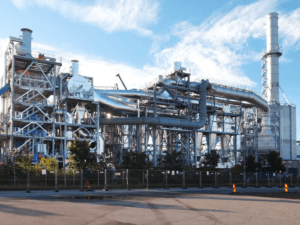
A cement plant optimized its electrostatic precipitator for cement plant needs to reach the emission levels of a bag filter system. This ESP dust collection system required a change in how it operated.
- Technicians adjusted the rapping cycles to change how often the plates shook.
- The team lowered the rapping intensity on the first field of the unit.
- This specific change stopped the dust from blowing back into the air stream.
- The total dust emissions dropped from 50 mg/Nm³ to below 20 mg/Nm³ after these adjustments.
Kesimpulan
Picking an electrostatic precipitator to help a bag filter work well means you need to know your plant’s dust type. Good engineering makes sure you follow the rules for a long time. It also saves money on your power bill.
Soalan Lazim
Q: Can we convert an ESP into a bag filter?
A: Yes. Many plants take out the old ESP parts and put in bag filter cages and bags. This helps them follow stricter rules about air pollution.
Q: Why does ESP efficiency drop?
A: Efficiency often goes down when the coal quality changes. It also drops if the dust has high resistance, which causes a problem called reverse corona.
Q: What is the typical life of ESP plates?
A: The collecting plates usually last 10 to 15 years. You must keep up with maintenance and watch how often the rappers hit the plates.
Q: Is an ESP better than a baghouse for high temperatures?
A: Yes. ESPs work in gas as hot as 400 degrees Celsius. Most fabric bags in a baghouse would melt or burn at that heat.
 MS
MS  EN_US
EN_US  UR
UR  AR
AR  NL
NL  DE
DE  FR
FR  IT
IT  FA
FA  VI
VI  KO
KO  RU
RU  ID
ID  FIL
FIL  KK
KK  UZ
UZ  BG
BG  CS
CS  HU
HU  SL
SL  SV
SV  PL
PL  TR
TR  FI
FI  ES
ES