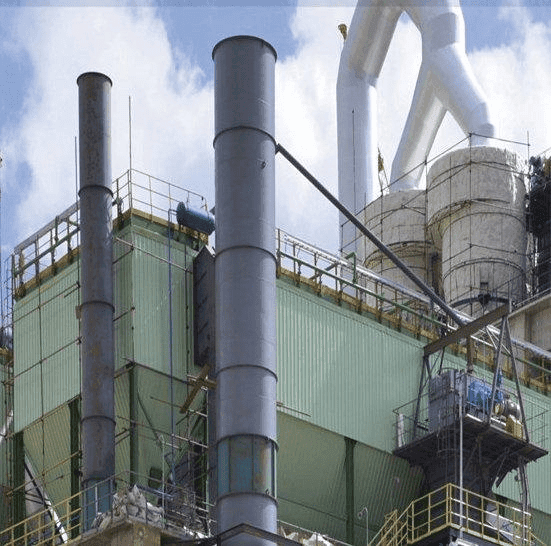
Best Bag Filter Manufacturer for Cement Plants: How to Choose & What to Ask
In today’s cement industry, selecting a bag filter supplier is no longer just a procurement decision—it’s an operational and compliance decision.
A poorly designed filtration system can lead to higher emissions, increased maintenance costs, production interruptions, and regulatory penalties. On the other hand, the right bag filter partner helps improve environmental compliance, reduce operating costs, and ensure long-term plant reliability.
For Procurement Directors and Plant Managers, the challenge is not finding a bag filter manufacturer—it’s finding the right one.
Why Bag Filters Matter in Cement Plants
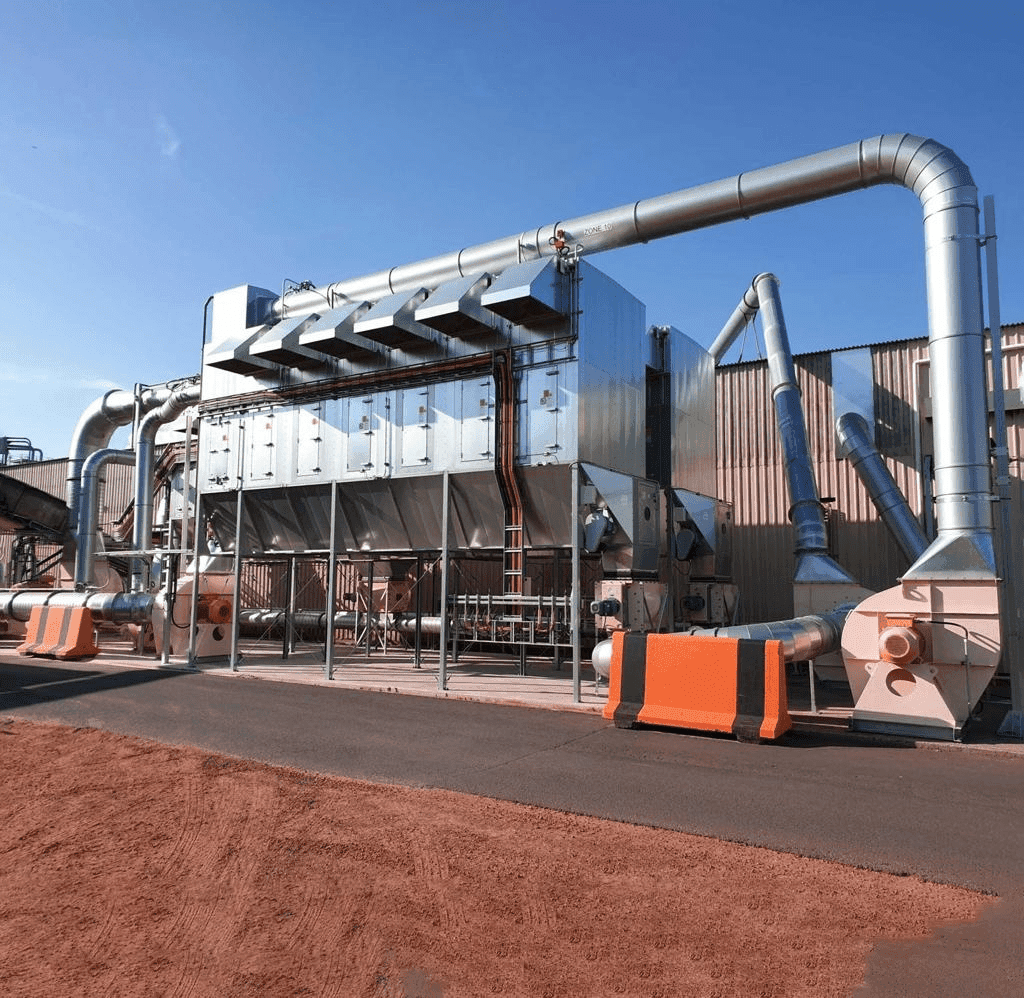
From crushers and raw mills to kilns, coolers, and cement mills, dust generation is unavoidable in cement manufacturing.
Modern bag filters have become the preferred technology for controlling particulate emissions because they offer high collection efficiency, stable operation, and the ability to meet increasingly stringent emission norms.
However, performance depends heavily on system design, filter media selection, airflow distribution, and after-sales support. This is why choosing the right manufacturer is critical.
What Makes a Good Bag Filter Manufacturer?
A reliable supplier should offer much more than equipment fabrication.
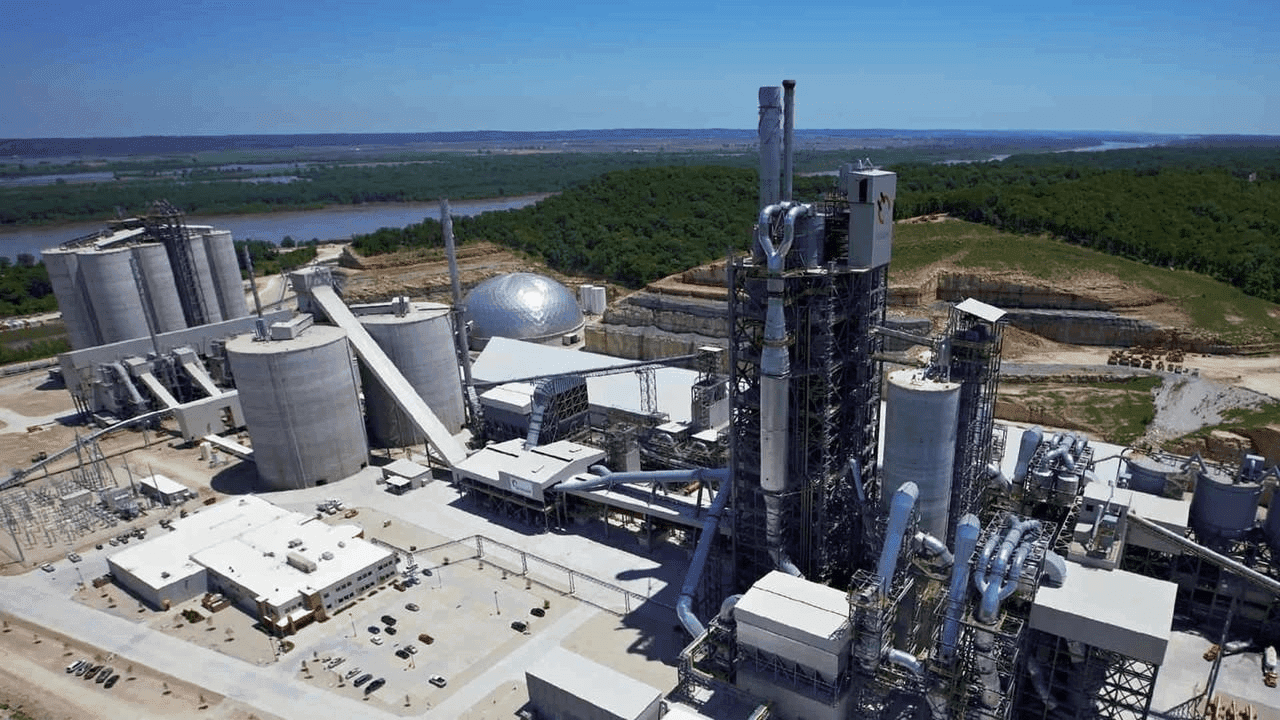
The best manufacturers understand cement process conditions, dust characteristics, temperature variations, and maintenance requirements. They should be capable of providing customized solutions rather than standard equipment designs.
Look for suppliers with proven installations in cement plants, strong engineering capabilities, and the ability to support projects from design through commissioning.
Questions Every Buyer Should Ask
Before selecting a supplier, ask a few important questions:
- ✓How many cement plant references do you have?
- ✓Can you provide emission performance guarantees?
- ✓What filter media is recommended for our application?
- ✓What is the expected pressure drop and energy consumption?
- ✓What after-sales service and spare support are available?
- ✓Have you completed retrofit projects similar to ours?
The answers often reveal more about a supplier’s capabilities than a commercial quotation.
New Installation or Retrofit?
Many cement plants today are not building new filtration systems—they are upgrading existing ones.
Older bag filters may struggle with higher production loads, changing fuel types, or stricter environmental regulations. In such cases, a retrofit can significantly improve performance without requiring a complete system replacement.
An experienced manufacturer should be able to evaluate both options and recommend the most cost-effective solution.
Why Lifecycle Cost Matters More Than Purchase Price
One of the most common mistakes during procurement is focusing only on capital cost.
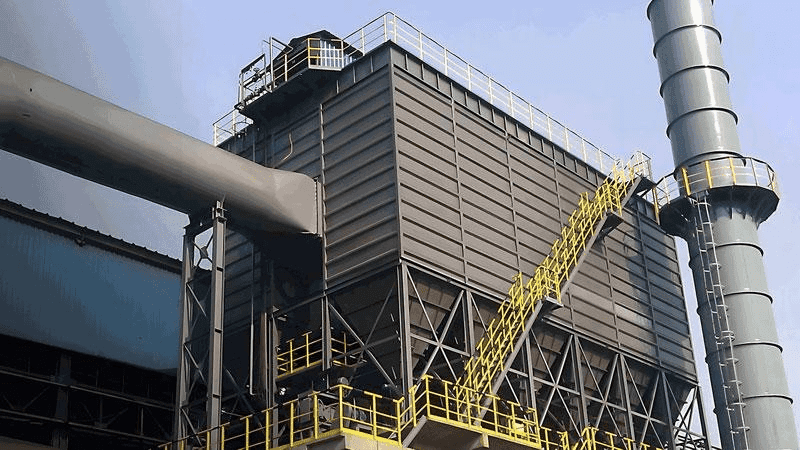
A lower-cost bag filter may initially appear attractive, but higher maintenance expenses, frequent bag failures, increased power consumption, and unexpected downtime can quickly outweigh the savings.
The true value of a bag filter lies in its lifecycle performance. Procurement teams should evaluate total ownership cost rather than purchase price alone.
Why Leading Cement Plants Choose IFH
With decades of experience in industrial air pollution control, IFH has delivered filtration solutions across cement, power, steel, minerals, and process industries.
Our engineering teams understand the unique challenges of cement manufacturing and develop customized bag filter solutions designed for high efficiency, reliability, and long service life.
From greenfield projects to complex retrofit assignments, IFH supports customers through engineering, manufacturing, installation, commissioning, and long-term service support.
The result is a filtration system that not only meets emission limits but also contributes to overall plant performance.
마지막 생각
Selecting the right bag filter manufacturer can impact emissions, operating costs, maintenance requirements, and regulatory compliance for years to come.
Rather than comparing suppliers solely on price, evaluate their experience, engineering expertise, project references, service capabilities, and long-term reliability.
A well-designed bag filter is not simply an environmental investment—it is an investment in the future performance of your cement plant.
Request a Proposal
Planning a new bag filter installation or evaluating an upgrade project?
Speak with our experts and receive a customized proposal based on your plant conditions, emission targets, and operational requirements.
Download our Project Brochure to explore successful cement industry installations and filtration solutions delivered by IFH.
자주 묻는 질문
Why are bag filters preferred in cement plants?
Bag filters provide very high dust collection efficiency and help plants meet stringent emission regulations while maintaining reliable operation.
What should I consider when selecting a cement bag filter supplier?
Key factors include industry experience, reference installations, engineering capability, service support, filter media expertise, and lifecycle cost.
Can existing bag filters be upgraded?
Yes. Many systems can be retrofitted with improved filter media, cleaning systems, airflow optimization, and upgraded components to enhance performance.
How long do filter bags typically last?
Filter bag life depends on process conditions, temperature, dust characteristics, and maintenance practices. Properly designed systems generally achieve significantly longer service life.
Why is lifecycle cost important?
Because maintenance costs, energy consumption, downtime, and bag replacement expenses often exceed the initial equipment cost over the life of the system.
 KO
KO  EN_US
EN_US  UR
UR  AR
AR  NL
NL  MS
MS  DE
DE  FR
FR  IT
IT  FA
FA  VI
VI  RU
RU  ID
ID  FIL
FIL  KK
KK  UZ
UZ  BG
BG  CS
CS  HU
HU  SL
SL  SV
SV  PL
PL  TR
TR  FI
FI  ES
ES