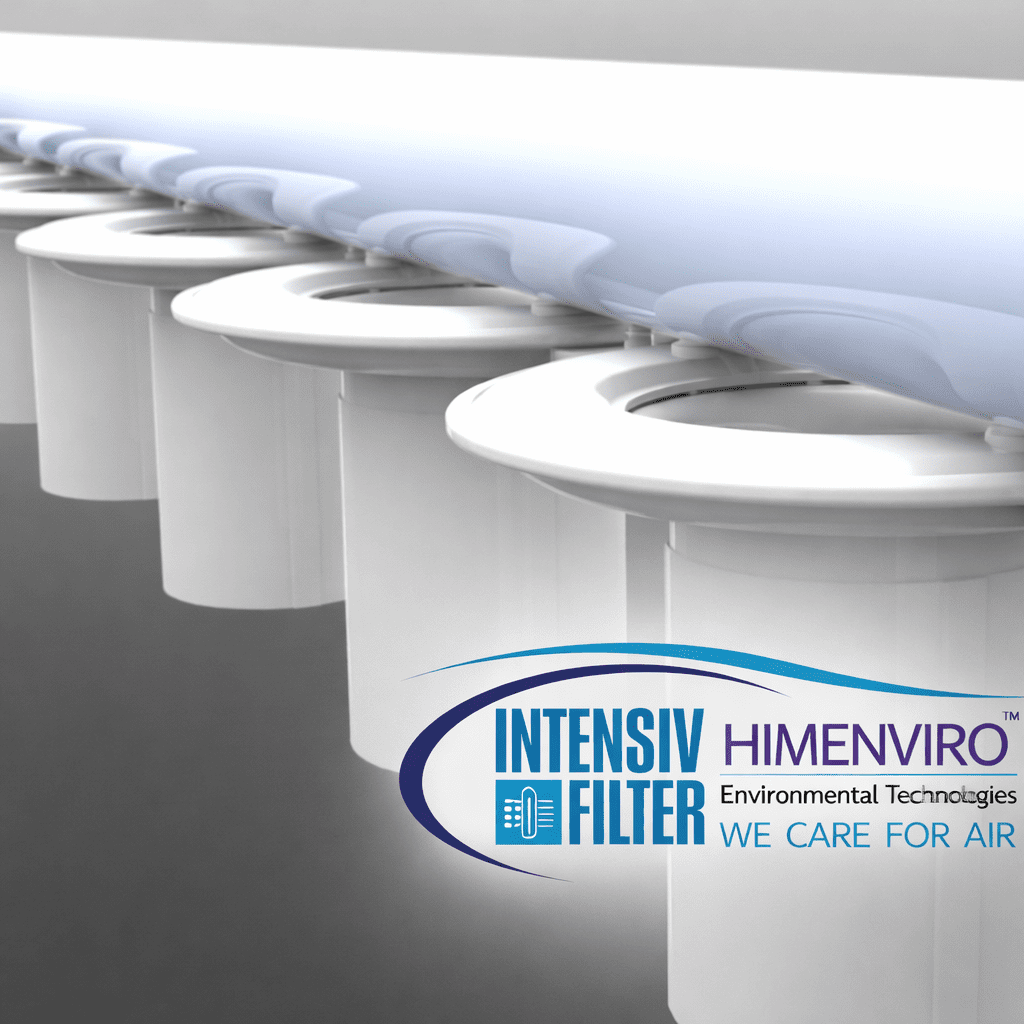
The C injector for bag filter systems is one of the most overlooked components in industrial dust collection — yet it directly controls cleaning efficiency, energy consumption, and filter bag lifespan. This guide explains how it works, what specs to look for, and when a failing injector is costing your plant money.
⚡ Quick Overview
- A C injector for bag filter units uses the Coanda effect to improve cleaning efficiency.
- These tools cut down on the amount of compressed air needed, lowering power bills.
- Original parts keep the system stable and help it meet emission rules.
Understanding the C Injector in Pulse Jet Systems
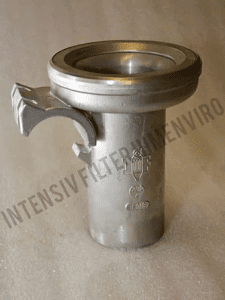
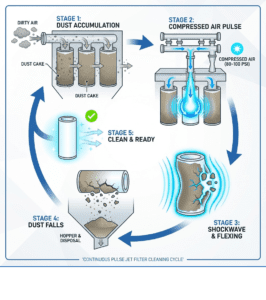
A C injector for bag filter systems acts as a special nozzle. It directs pulse air into the filter bag to remove trapped dust. This part works as the heart of the cleaning system — it creates a fast stream of air to shake dust off the fabric.
A C-injector is an advanced aerodynamic component that utilizes the Coanda effect to entrain secondary air, significantly increasing the volume of the cleaning pulse without extra compressed air.
In plain language, it is a smart nozzle. It makes a small puff of air act like a big blast to clean dust off bags much better. It is a simple way to manage a complex pulse jet bag filter or a venturi injector for baghouse setups.
How the Coanda Effect Improves Bag Cleaning
The C injector for pulse jet bag filter works using the Coanda effect. This physical principle forces air to stick to a curved surface as it moves. The injector design pulls much more surrounding air into the bag than a regular venturi tube. It creates a smooth and steady pressure wave that travels all the way down the fabric — giving better cleaning intensity across the entire length of the bag.
Consider this real-world example:
- A cement plant uses a long kiln filter. Standard nozzles often fail to push air to the bottom of 10-meter bags.
- The Coanda injector clears dust from the very bottom of these long bags without any issues.
Key Specifications of Original C-Injektor Models
You need to choose the right original spare parts to keep your system running well. Engineers look at specific technical details to ensure the parts fit. These units use high-quality materials to last a long time in harsh environments.
| 특징 | 사양 |
|---|---|
| 모델 | 74953 |
| Air Gap | 0.4 mm |
| Material Grade | 작업물 1.0355 |
| Temperature Limit | 80°C |
| C-Injektor 60/45 | Standard fit |
| C-Injektor 48/45 | Standard fit |
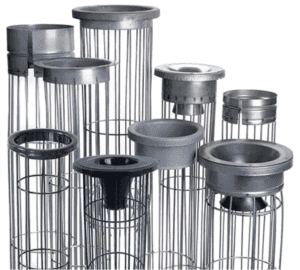
The 74953 C-Injector 2 model relies on its tight air gap for the best air movement. Builders use Werkstoff 1.0355 steel because it resists wear. Most facilities use the C-Injektor 60/45 or the C-Injektor 48/45 sizes — these models match almost any cage or cell plate design.
Benefits of Upgrading to a Coanda Type Injector
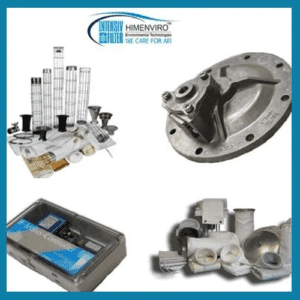
You can fix a weak dust collector by installing a bag filter venturi nozzle injector. This simple change makes the whole system work much better.
- Lower differential pressure: This part keeps the filter bags open and clean. The fan does not have to work as hard, which saves power.
- Energy efficiency: These injectors pull in more air from the room. Because they use less compressed air to clean the bags, your monthly utility bills drop.
- Longer bag life: The cleaning process is thorough but gentle. The filter media stays in good shape for a longer service life.
Signs of a Damaged Venturi Injector in a Baghouse
A damaged venturi injector baghouse component causes quick problems for any plant. Workers often notice visible dust leaking from the stack. The system also shows high differential pressure (DP) because the injector nozzles become misaligned or worn down over time.
These issues force the fans to work harder, raising power costs significantly. Plants also risk getting fines from the CPCB when they fail to control emissions.
⚠️ Common Mistake to Avoid
Some operators think they can fix high DP by turning up the pulse pressure. This is wrong — high pressure usually just rips the filter bags if the injector is already faulty. Always inspect and replace the injector first before adjusting pulse settings.
결론
The C injector for bag filter systems is a small part with a massive impact on plant uptime. Choosing original engineering-driven designs ensures long-term emission stability and lower lifecycle costs. Proper parts keep system reliability high during daily operations.
자주 묻는 질문
Can I use a C-injector in any pulse jet bag filter?
Yes, they fit most industrial dust collection systems and standard cell plates because they are fully adjustable.
How does the C-injector save energy?
It pulls in more secondary air. This lets the system clean filters well even with lower pulse pressures and smaller air volumes — reducing compressor load and energy costs.
What material is best for high-temperature filters?
Original injectors often use Werkstoff 1.0355 or similar high-grade steels. These metals keep their shape and strength when things get hot.
When should I not use a venturi injector?
Some low-pressure, high-volume reverse air systems do not need them. Pulse jet systems usually work better with one installed.
 KO
KO  EN_US
EN_US  UR
UR  AR
AR  NL
NL  MS
MS  DE
DE  FR
FR  IT
IT  FA
FA  VI
VI  RU
RU  ID
ID  FIL
FIL  KK
KK  UZ
UZ  BG
BG  CS
CS  HU
HU  SL
SL  SV
SV  PL
PL  TR
TR  FI
FI  ES
ES