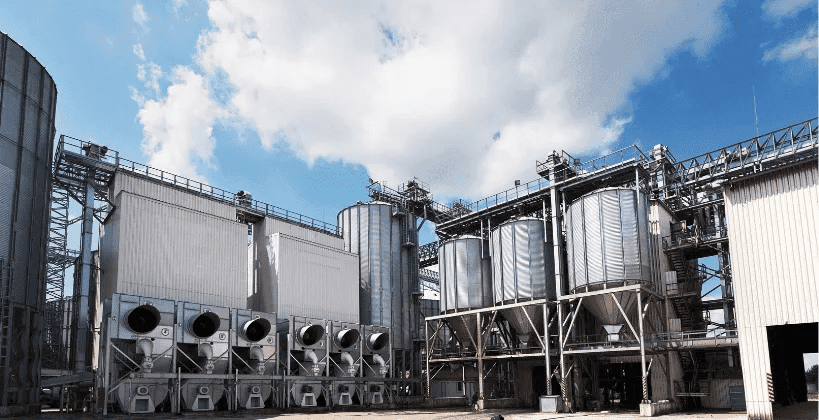
Industrial filter bags are the backbone of dust collection and emission compliance across manufacturing, cement, steel, biomass, chemical, and pharmaceutical plants. Choosing the wrong bag — wrong material, wrong air-to-cloth ratio, wrong micron rating — leads to premature failure, rising energy costs, and regulatory penalties. This guide covers everything plant engineers and procurement teams need to make the right decision in 2026.
⚡ Panoramica rapida
- Filter bags capture dust and pollutants to ensure clean air and compliance with CPCB norms.
- Choosing the right material like PTFE or PPS depends on plant temperature and chemical exposure.
- Proper maintenance of differential pressure helps the bags last longer and lowers energy costs.
What Is an Industrial Filter Bag?
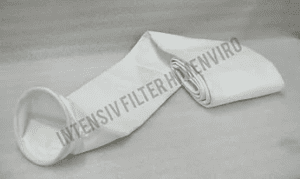
An industrial filter bag is a fabric sleeve used in baghouse systems. It separates dust from gas or liquid using methods like interception, inertial impaction, E diffusion to clean the air. These bags are essential for keeping processes pure and protecting the environment.
Think of filter bags as giant vacuum cleaner bags for a factory — they catch dust while letting clean air flow out. Plants rely on them to stop smoke and thick dust from entering the air outside. They are the main way a factory stays clean and follows rules about air quality.
Filter bags act as the main defense to capture dust and pollutants, which helps companies meet emission compliance. Plants must pick the right material, such as PTFE or PPS, based on heat levels and chemicals they handle. Checking differential pressure regularly keeps these bags working well for a long time
How Industrial Filter Bags Work in a Baghouse System
A baghouse filter bag acts like a physical barrier that stops dust from moving through a system. As dust builds up, the filter creates more resistance against airflow — workers measure this as Differential Pressure (ΔP). The three core capture mechanisms are:
- Intercettazione: Dust particles bump into bag fibers as they flow past and stay stuck.
- Inertial Impaction: Large and heavy particles crash into the fibers because they carry too much momentum to dodge them.
- Diffusione: Tiny, erratic particles drift until they accidentally touch a fiber and grab onto it.
Common Types of Industrial Filter Bags
Reverse Air Filter Bags
These systems blow air in the opposite direction of the normal flow. This gentle reversal makes the bag collapse slightly. The movement breaks the dust layer, and gravity pulls it down.
Pulse Jet Filter Bags
A pulse jet filter bag is the standard choice for modern plants. These systems use short bursts of compressed air to clean themselves. This process keeps the system running without a pause. High-quality bags handle this pulse pressure repeatedly without losing their shape.
Filter Bag Materials and Their Performance Characteristics
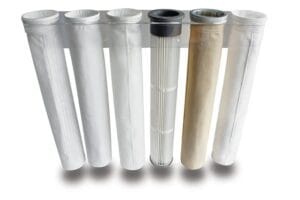
Choosing the right fabric helps a bag last through high heat and harsh chemicals. Here is a breakdown of the five most common filter bag materials:
| Materiale | Max Temp | Best Application | Key Strength |
|---|---|---|---|
| Poliestere | 135°C | General industrial duty | High strength, long life in normal conditions |
| Polipropilene | 90°C | Chemical resistance, cool processes | Cost-effective, strong chemical resistance |
| Nomex® | 200°C | Asphalt plants, metal shops | Thermally stable, holds shape under heat |
| PPS | 190°C | Coal-fired boilers, acid environments | Acid-resistant, handles high moisture |
| PTFE Membrane | 260°C+ | Fine dust, sticky particles | Best filtration efficiency, non-stick surface |
Polyester and Polypropylene for Standard Duties
Polyester filter bags provide high strength and work well for temperatures up to 135°C. These bags are the top choice for many industrial dust collector filter bags because they last a long time in normal conditions. Polypropylene filter bags work best when you need strong chemical resistance but only handle temperatures up to 90°C. Both options are budget-friendly for general shop or factory needs.
Nomex and PPS for High-Temperature Applications
Nomex filter bags resist heat up to 200°C by using fibers that stay stable in extreme conditions. This makes them perfect for asphalt plants or metal shops. PPS filter bags work well in coal-fired boilers — they handle acid and high moisture levels better than most other fabrics.
PTFE Membrane Filter Bags for Fine Dust Collection
PTFE membrane filter bags stop dust on a thin, slippery top layer that keeps particles from sinking deep into the fabric. The non-stick surface helps dust fall away quickly during each cleaning cycle.
| Benefit | Impact on Operation |
|---|---|
| Smooth surface | Easier dust removal during cleaning cycles |
| Bassa caduta di pressione | Less energy used by the fan system |
| Tight weave | Traps very fine dust that other fabrics miss |
Selecting the Right Filter Bag for Your Plant
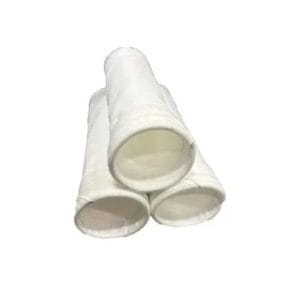
Choosing the right bag depends on the air-to-cloth ratio and the total surface area of the bags. You must match these numbers to your machine’s needs.
Rapporto aria-tessuto
This number shows how much air flows through each square foot of the filter cloth. If the ratio is too high, the air moves too fast through the bag. This can damage the fabric or push dust through the pores.
Filtration Velocity
Filtration velocity describes how fast the air travels through the filter media. High speeds often lead to higher pressure drops. A controlled speed helps the filter capture fine dust without using too much fan power.
Matching Media to Chemical and Moisture Conditions
- Moisture turns dry dust into thick mud that sticks to the fabric and clogs filters permanently.
- Chemical gases like SOx or NOx eat away at common fabrics such as polyester.
- High heat combined with high humidity causes hydrolysis — breaking down the strength of the filter fabric and leading to sudden failure.
Common Causes of Filter Bag Failure
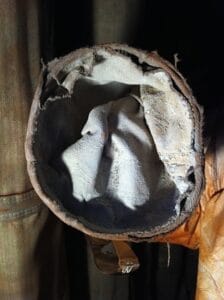
Replacement filter bags often fail before their time because of how people run their systems — not because of bad fabric quality. High Differential Pressure (ΔP) is the most common culprit. When this happens, the fan works harder, energy costs rise, and the bags wear out much faster.
Managing High Differential Pressure and Blinding
Blinding happens when tiny dust particles get wedged deep inside the fabric holes and stay there permanently. Watch your ΔP gauge every day to stop the system from failing unexpectedly. A micron rating that is too tight for your dust type will cause blinding almost immediately.
⚠️ Signs of Imminent Bag Failure
- Pressure drop stays high even after running a cleaning cycle
- Dust streaks visible in the clean air plenum during inspection
- Visible tears or holes in the fabric
- Sudden spike in energy consumption by the fan system
Preventing Abrasion and Mechanical Damage
- Abrasive dust acts like sandpaper — it wears holes into the filter fabric as air moves through the system.
- Ill-fitting cages rub against the material, creating tears that lead to leaks.
- Improper installation is one of the biggest problems. Correct cage alignment is the single biggest factor in extending bag life.
Industry-Specific Filtration Challenges
Cement Plant Bag Filter
Cement dust is heavy and abrasive. These systems run constantly, so the filter bags take a lot of abuse. Large kilns create dust at very high heat that wears down fabrics quickly. Plants need high-strength bags that survive these harsh conditions for a long time.
Steel Plant Dust Collector
Steel plants produce very hot gases and sharp metal dust. A standard filter bag will fail quickly in this environment. Dust loads spike suddenly during furnace cycles — bags must handle these quick load swings without breaking.
Biomass Power Plant
Biomass facilities often have problems with moisture and sticky dust. This creates a gummy mess on the filters. The bags must resist these conditions to keep the airflow steady and prevent clogging.
Emission Compliance in Cement and Steel Plants
Owners must meet CPCB emission norms to keep running. High-efficiency bags stop tiny particles from escaping into the air. Good bags stay stable even when the load jumps up and down, preventing fines and keeping the air around the plant cleaner.
Safety and Purity in Chemical and Pharma Sectors
Filter bags for chemical industry setups work with dangerous gases that eat through normal fabric. Pharmaceutical zones require FDA-grade materials — contamination ruins entire batches of medicine. Plants with explosive dust use anti-static filter bags that carry static away and must meet ATEX safety rules.
Maintenance Tips for Longer Bag Life
- Check your pulse valves every week — make sure they do not leak compressed air.
- Look inside the clean air plenum for dust streaks — they indicate a leaky bag that needs replacement.
- Keep your system below the rated temperature at all times — never run it too hot, even briefly.
- Align cages correctly during installation for maximum bag life.
- Monitor your ΔP gauge daily and log trends over time to catch problems early.
✅ Pro Tip
Do not use fabric filter bags if your gas temperatures go above 260°C or if your dust is highly molten. In these cases, an ESP (Electrostatic Precipitator) or ceramic filter is the correct engineering choice.
Conclusione
Filter bags represent the heart of a plant’s emission compliance system. Choosing the right material and keeping the differential pressure stable lowers your operational costs. Most fabric filter systems require a pressure drop between 3 and 6 inches of water column to function correctly. When properly selected and maintained, industrial filter bags provide reliable, cost-effective dust control for one to two years or more.
Domande frequenti
What is the typical life of industrial filter bags?
Most bags last one to two years. The exact time depends on the type of dust and the heat of the system. Proper maintenance and correct installation can help bags reach the full two years.
How do I know when to replace my filter bags?
Replace them when the pressure drop stays high even after running a cleaning cycle, or when you spot dust streaks in the clean air plenum.
Can I wash and reuse dust collector filter bags?
Most felt bags work best as single-use items. Some woven nylon bags meant for liquid filtration can be cleaned, but always verify with your supplier first.
What is the benefit of a PTFE membrane?
It stops almost all dust from getting through and helps sticky dust fall off the bag easily during cleaning cycles — leading to lower pressure drops, less energy use, and longer bag life.
How does air-to-cloth ratio affect performance?
A high ratio pushes dust deep into the fabric, causing the pores to clog quickly. This leads to higher differential pressure, increased energy consumption, and premature bag failure.
“`
 IT
IT  EN_US
EN_US  UR
UR  AR
AR  NL
NL  MS
MS  DE
DE  FR
FR  FA
FA  VI
VI  KO
KO  RU
RU  ID
ID  FIL
FIL  KK
KK  UZ
UZ  BG
BG  CS
CS  HU
HU  SL
SL  SV
SV  PL
PL  TR
TR  FI
FI  ES
ES