Chemical Plant Dust & Fume Control: Choosing the Right Filtration System
Chemical manufacturing involves a wide range of processes, from powder handling and reaction systems to drying, mixing, granulation, and solvent recovery. While these operations are essential for production, they also generate dust, fumes, vapors, and volatile organic compounds (VOCs) that can impact worker safety, product quality, equipment reliability, and environmental compliance.
For process engineers, selecting the right filtration and emission control system is not simply a compliance requirement—it is a critical engineering decision that influences plant performance, operating costs, and long-term sustainability.
This guide explores the major dust and fume control challenges in chemical plants and provides practical insights into selecting the most suitable filtration technology.
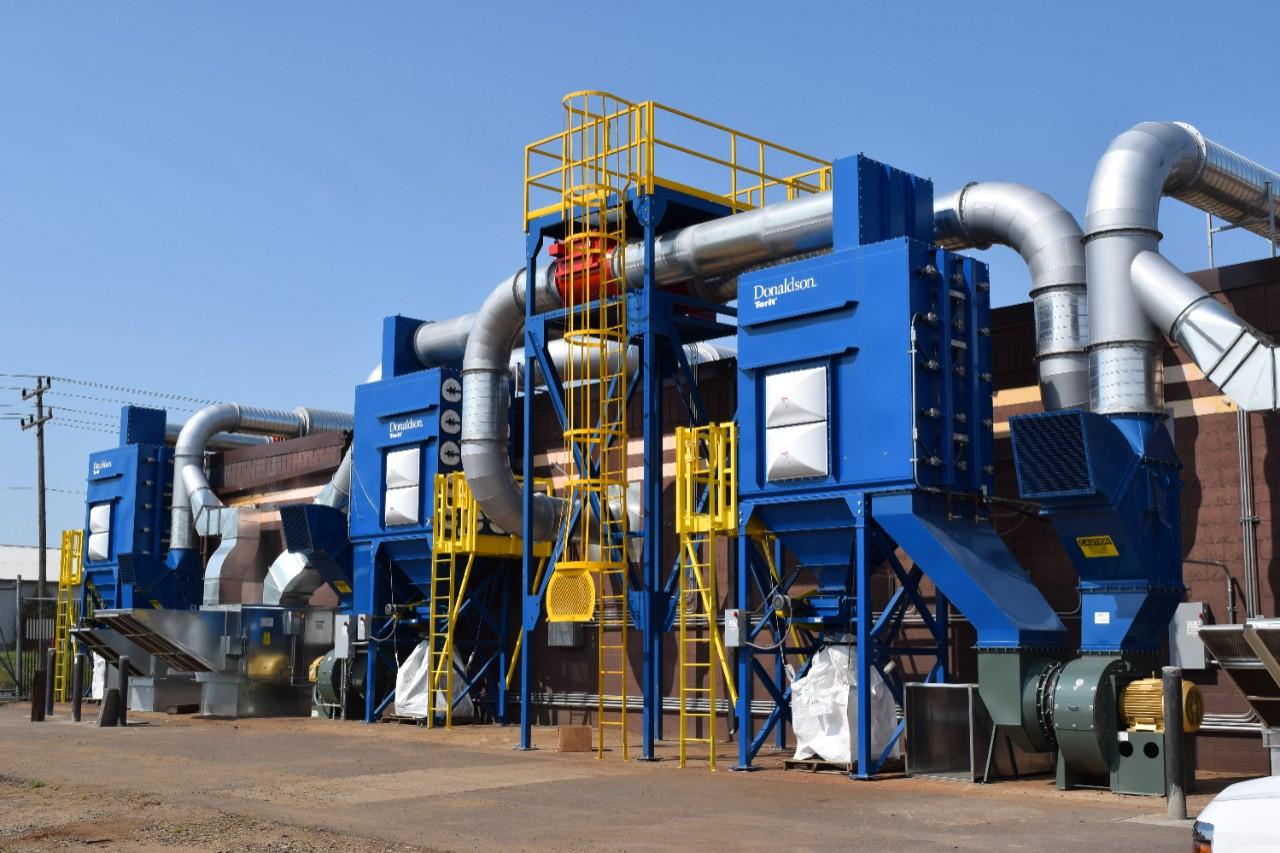
Why Dust and Fume Control Matters in Chemical Plants
Unlike many industries where emissions primarily consist of inert dust, chemical plants often handle materials that may be:
- ✓Toxic
- ✓Corrosive
- ✓Hygroscopic
- ✓Explosive
- ✓Reactive
- ✓Odorous
Even small quantities of airborne contaminants can create operational and safety concerns.
Poor emission control can result in:
- ✓Worker exposure risks
- ✓Product contamination
- ✓Equipment corrosion
- ✓Accumulo di polvere
- ✓Regulatory violations
- ✓Aumento dei costi di manutenzione
As environmental regulations become stricter and workplace safety standards continue to evolve, effective air pollution control systems have become essential components of modern chemical manufacturing facilities.
Common Sources of Dust and Fumes in Chemical Plants
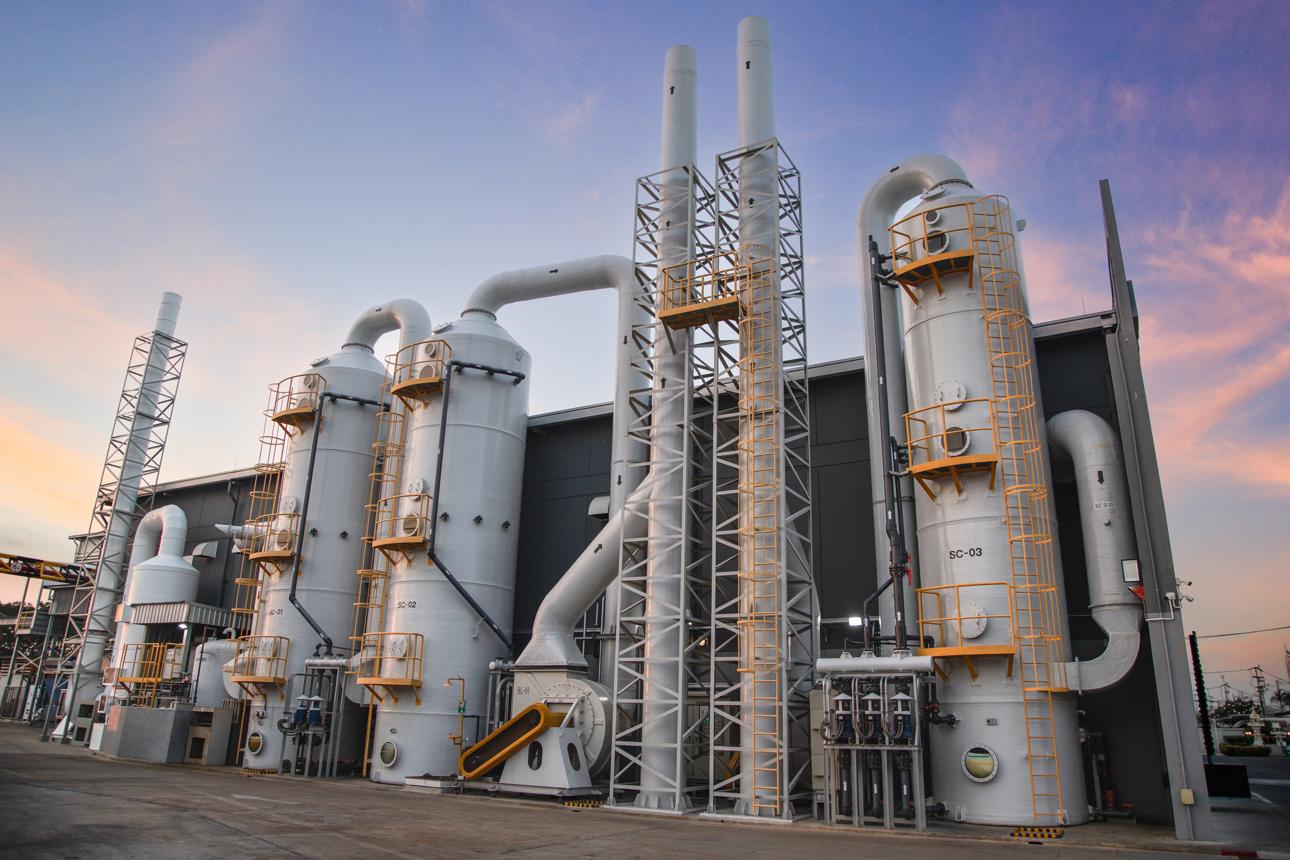
The first step in selecting a filtration system is understanding where emissions originate.
Movimentazione delle materie prime
Many chemical plants receive and transfer powdered raw materials through:
- ✓Stazioni di scarico sacchi
- ✓Sistemi di trasporto pneumatico
- ✓Silos di stoccaggio
- ✓Mixing equipment
These operations generate significant dust emissions if not properly controlled.
Mixing and Blending Processes
Mechanical agitation can release fine airborne particles, particularly when handling lightweight powders or specialty chemicals.
Drying Operations
Spray dryers, fluid bed dryers, and rotary dryers often generate fine particulate emissions that require high-efficiency collection systems.
Reaction Vessels
Chemical reactions may release:
- ✓Process fumes
- ✓Acid gases
- ✓Solvent vapors
- ✓VOC emissions
These contaminants often require specialized treatment technologies.
Packaging and Material Transfer
Bag filling, bulk loading, and material conveying systems frequently create localized dust generation points that need dedicated extraction systems.
Understanding Dust and Fume Characteristics
Not all contaminants behave the same way. Filtration technology should be selected based on material properties rather than airflow alone.
Dimensioni delle particelle fini
Many chemical powders contain particles smaller than 10 microns, making them difficult to capture without high-efficiency filtration.
Hygroscopic Materials
Certain chemicals absorb moisture from the atmosphere, leading to:
- ✓Filter blinding
- ✓Hopper build-up
- ✓Reduced cleaning efficiency
Corrosive Components
Acidic or alkaline compounds can damage filtration equipment if material selection is not carefully considered.
Polvere combustibile
Organic powders, resins, pigments, and specialty chemicals may create explosive dust atmospheres under certain conditions.
VOC Emissions
Solvents and chemical reactions often release volatile organic compounds that require gas-phase treatment rather than particulate filtration.
Major Dust and Fume Control Technologies
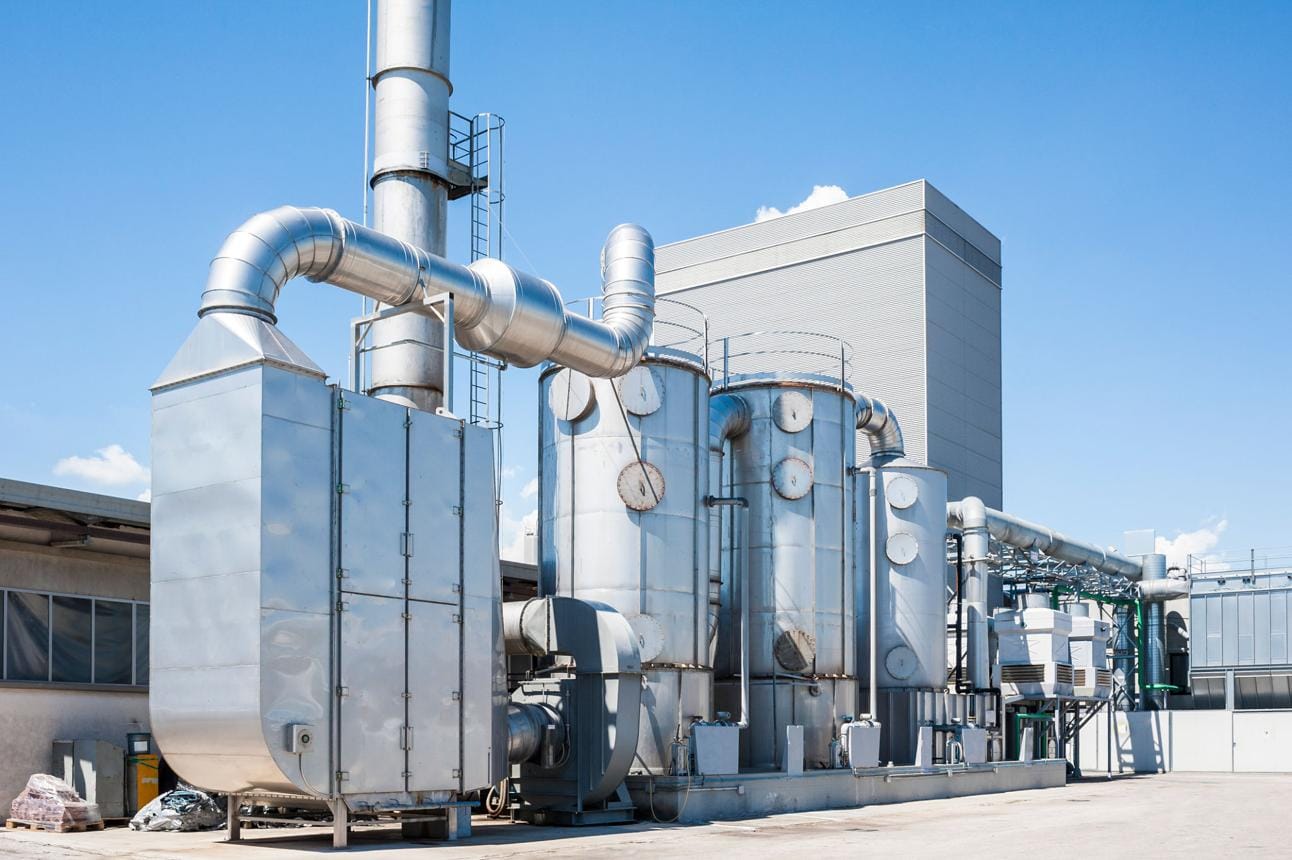
The most effective air pollution control strategy depends on the type of contaminant being generated.
Filtri a sacco
Pulse Jet Bag Filters are among the most commonly used dust collection technologies in chemical manufacturing.
Come funzionano
Dust-laden air passes through fabric filter bags where particulate matter is captured on the filter surface. Periodic compressed air pulses remove accumulated dust and maintain system performance.
Vantaggi
- ✓Elevata efficienza di raccolta
- ✓Adatto alla cattura di particelle fini
- ✓Gestisce grandi volumi di flusso d'aria
- ✓Adaptable to various dust types
- ✓Reliable long-term performance
Applicazioni tipiche
- ✓Powder handling systems
- ✓Chemical dryers
- ✓Granulation plants
- ✓Bulk material transfer systems
- ✓Mixing operations
For dry particulate applications, bag filters often provide the best combination of efficiency and operating reliability.
Collettori di polvere a cartuccia
Cartridge collectors are compact filtration systems designed for lower airflow applications.
Vantaggi
- ✓High filtration efficiency
- ✓Small footprint
- ✓Facile manutenzione
- ✓Suitable for indoor installations
Applicazioni tipiche
- ✓Laboratory areas
- ✓Stazioni di scarico sacchi
- ✓Sfiati di processo di piccole dimensioni
- ✓Operazioni di confezionamento
They are particularly useful where space constraints limit the installation of larger baghouse systems.
Depuratori ad umido
Wet scrubbers remove contaminants by bringing process gas into contact with a liquid stream.
Vantaggi
- ✓Simultaneous gas and particulate removal
- ✓Suitable for sticky materials
- ✓Effective for corrosive fumes
Applicazioni tipiche
- ✓Acid gas treatment
- ✓Chemical reaction vents
- ✓Corrosive process emissions
Because wet scrubbers generate wastewater, treatment and disposal requirements should be considered during system design.
VOC Control Systems
Many chemical manufacturing processes generate solvent vapors and volatile organic compounds that cannot be effectively captured using conventional dust collectors.
Common VOC control technologies include:
- ✓Activated carbon adsorption systems
- ✓Thermal oxidizers
- ✓Regenerative thermal oxidizers (RTOs)
- ✓Catalytic oxidation systems
Technology selection depends on VOC concentration, composition, and process requirements.
How to Select the Right Filtration System
One of the most common mistakes is selecting equipment based solely on airflow capacity.
Successful filtration system design requires a detailed understanding of the process and contaminant characteristics.
Dust Properties
Evaluate:
- ✓Distribuzione delle dimensioni delle particelle
- ✓Bulk density
- ✓Abrasività
- ✓Contenuto di umidità
- ✓Explosibility
Process Conditions
Considerare:
- ✓Operating temperature
- ✓Composizione del gas
- ✓Humidity levels
- ✓Process variability
Emission Requirements
Future regulatory expectations should be considered alongside current compliance requirements.
Designing for anticipated emission standards often reduces future retrofit costs.
Requisiti di manutenzione
Filter accessibility, cleaning systems, and spare part availability directly influence long-term operating costs.
Total Cost of Ownership
The lowest initial investment does not always provide the lowest lifecycle cost.
Process engineers should evaluate:
- ✓Consumo energetico
- ✓Requisiti di manutenzione
- ✓Filter replacement frequency
- ✓Downtime implications
Common Challenges in Chemical Plant Filtration
Even well-designed systems can experience performance issues if process characteristics are not fully understood.
Filter Blinding
Sticky or hygroscopic materials may block filter pores, increasing pressure drop and reducing airflow.
Hopper Build-Up
Fine powders often bridge inside hoppers, preventing effective dust discharge.
Corrosion
Aggressive chemicals can rapidly damage carbon steel components.
Proper material selection is essential.
Temperature Excursions
Unexpected process upsets can expose filters to temperatures beyond their design limits.
VOC and Dust Combination
Some processes generate both particulate matter and gaseous emissions, requiring multiple treatment technologies working together.
Best Practices for Process Engineers
Effective dust and fume control begins during project planning rather than after operational problems occur.
Recommended practices include:
- ✓Characterize dust properties before equipment selection
- ✓Conduct airflow studies
- ✓Select filter media based on process conditions
- ✓Consider future production expansion
- ✓Evaluate explosion protection requirements
- ✓Monitor differential pressure continuously
- ✓Implement preventive maintenance programs
- ✓Review compliance requirements regularly
A proactive approach significantly improves long-term system performance.
Emerging Trends in Chemical Plant Air Filtration
Chemical manufacturers are increasingly adopting advanced technologies to improve reliability and compliance.
Smart Monitoring
Real-time monitoring systems provide visibility into:
- ✓pressione differenziale
- ✓Airflow performance
- ✓andamento delle emissioni
- ✓Cleaning effectiveness
Manutenzione predittiva
Data-driven maintenance helps identify issues before they result in unplanned shutdowns.
Media filtranti ad alta efficienza
Advanced membrane filter technologies improve fine particulate capture while reducing pressure drop.
Integrated Emission Control
Modern facilities increasingly combine dust collection, VOC control, and process ventilation into unified environmental management systems.
How IFH Supports Chemical Industry Applications
With more than 100 years of German engineering heritage and over 70,000 installations worldwide, Intensiv Filter Himenviro (IFH) provides customized air pollution control solutions for chemical manufacturing facilities.
IFH’s portfolio includes:
- ✓Filtri a sacco Pulse Jet
- ✓Collettori di polvere a cartuccia
- ✓Wet Scrubber Systems
- ✓VOC Control Solutions
- ✓Process Ventilation Systems
- ✓Compliance-Oriented Filtration Solutions
By combining process expertise with advanced filtration technology, IFH helps chemical manufacturers improve environmental performance while supporting safe and reliable operations.
Conclusione
Chemical plant dust and fume control involves much more than installing a dust collector. The diversity of materials, process conditions, and emission characteristics requires a carefully engineered approach to filtration technology selection.
For process engineers, understanding dust properties, process requirements, maintenance considerations, and compliance obligations is essential for long-term success.
Whether the application involves powder handling, chemical processing, corrosive fumes, or VOC emissions, selecting the right filtration system can significantly improve safety, reliability, and operational performance.
As environmental expectations continue to rise, investing in properly designed air pollution control systems remains one of the most effective ways to support sustainable chemical manufacturing.
Domande frequenti (FAQ)
What is the most commonly used dust collection technology in chemical plants?
Pulse Jet Bag Filters are widely used due to their ability to handle fine particulate matter across a broad range of chemical applications.
When should a wet scrubber be used instead of a bag filter?
Wet scrubbers are typically selected for corrosive gases, acid fumes, sticky materials, or applications requiring simultaneous gas and particulate removal.
Can one system handle both dust and VOC emissions?
In many cases, separate technologies are required. Dust collectors remove particulate matter, while VOC control systems address gaseous contaminants.
Why is filter media selection important?
Filter media directly influences filtration efficiency, pressure drop, bag life, chemical resistance, and operating costs.
What factors should process engineers consider when selecting a filtration system?
Key factors include particle size, dust loading, chemical compatibility, temperature, humidity, emission requirements, maintenance needs, and total lifecycle cost.
 IT
IT  EN_US
EN_US  UR
UR  AR
AR  NL
NL  MS
MS  DE
DE  FR
FR  FA
FA  VI
VI  KO
KO  RU
RU  ID
ID  FIL
FIL  KK
KK  UZ
UZ  BG
BG  CS
CS  HU
HU  SL
SL  SV
SV  PL
PL  TR
TR  FI
FI  ES
ES