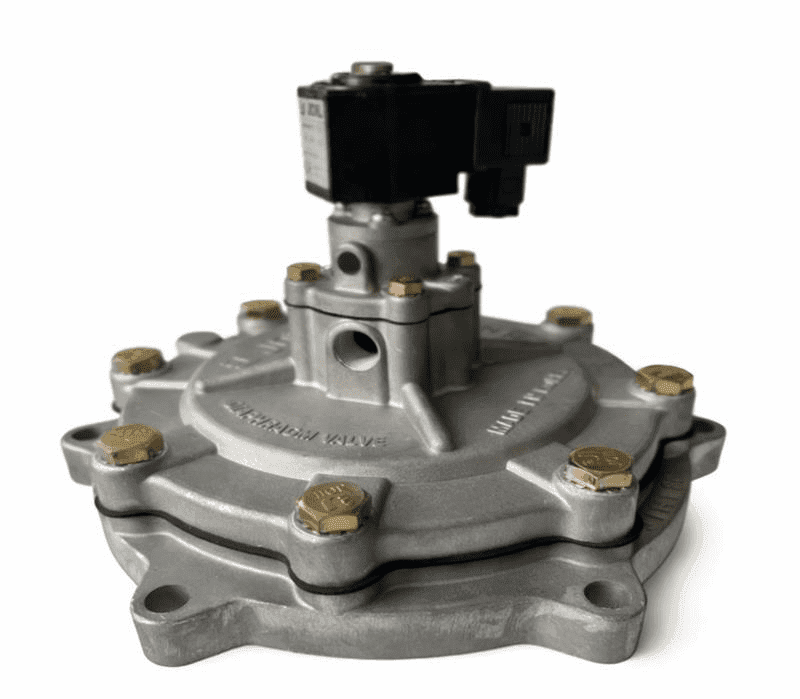
Panoramica rapida
- Una valvola solenoide è un componente semplice che controlla il flusso di liquidi o gas tramite segnali elettrici.
- Queste valvole sono utilizzate in numerose applicazioni industriali. Contribuiscono a mantenere pulite le apparecchiature dei sistemi a getto pulsato, rimuovendo la polvere.
- La scelta della valvola giusta dipende dalle dimensioni dell'orifizio, dalla pressione che può sopportare e dalla compatibilità del materiale con i liquidi o i gas specifici.
Cos'è una valvola solenoide e come funziona?
Una valvola solenoide trasforma l'energia elettrica in movimento fisico per aprire o chiudere un passaggio per il flusso. All'interno del dispositivo, una bobina elettromagnetica genera un campo magnetico quando viene attraversata dalla corrente elettrica. Questa forza attrae un elemento metallico chiamato pistone. Muovendosi, il pistone spinge lateralmente la guarnizione della valvola, consentendo il passaggio di aria o acqua attraverso il tubo. Quando l'alimentazione si interrompe, una piccola molla riporta il pistone nella posizione iniziale. La guarnizione si richiude, bloccando il flusso.
La struttura interna assomiglia a un semplice sandwich. La bobina si trova all'esterno. Al centro, il pistone è alloggiato all'interno di un tubo. Sotto, la guarnizione si trova proprio sopra l'apertura. Il tutto è racchiuso in un corpo metallico compatto. Quando la bobina riceve energia, il pistone scatta verso l'alto contro la molla. La gravità e la pressione contribuiscono a muovere il materiale una volta che il percorso è libero.
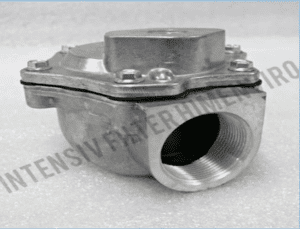
Componenti base di un'elettrovalvola industriale
Al centro della valvola si trova una bobina di rame. Essa genera la forza necessaria a muovere le parti interne quando viene attraversata dalla corrente elettrica.
Una bobina mantiene questo filo in una posizione stretta. Ciò mantiene il campo magnetico focalizzato, garantendo il corretto funzionamento della valvola.
Il corpo valvola contiene le aperture attraverso le quali il fluido entra ed esce.
Solitamente si tratta di ottone o acciaio inossidabile. Questi materiali resistono alla pressione e all'usura.
Le guarnizioni interne impediscono le perdite. I produttori le realizzano in NBR o Viton. Questi materiali devono resistere alle sostanze chimiche o ai liquidi che attraversano la valvola.
Una molla riporta lo stantuffo nella sua posizione iniziale quando l'alimentazione viene interrotta.
Le versioni a corrente alternata includono un anello di schermatura. Questo piccolo componente impedisce alla valvola di emettere ronzii o vibrazioni durante il funzionamento.
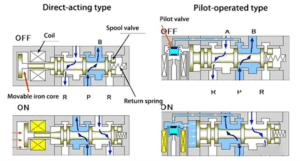
Elettrovalvole ad azione diretta vs elettrovalvole a comando pilota
Gli ingegneri scelgono tra diversi tipi di elettrovalvole in base al lavoro da svolgere.
Le valvole ad azione diretta utilizzano la forza della bobina per allontanare direttamente la guarnizione dall'orifizio. Questo design funziona anche in assenza di pressione nella tubazione. Rappresenta una buona soluzione per tubazioni di piccolo diametro e applicazioni che richiedono basse portate.
Le valvole a comando pilota utilizzano un approccio diverso. Sono dotate di un piccolo foro pilota che crea una pressione differenziale. Questa pressione contribuisce a muovere un grande diaframma all'interno della valvola. Per questo motivo, queste valvole necessitano di una pressione minima per funzionare. Spesso richiedono almeno 0,5 bar per aprirsi correttamente.
Queste valvole pilota gestiscono portate molto più elevate rispetto a quelle ad azione diretta. Molti responsabili di stabilimento le installano in grandi impianti come i depuratori a maniche. Ciò consente di risparmiare energia elettrica perché la bobina non deve sollevare da sola la pesante guarnizione.
Principio di funzionamento dell'elettrovalvola nei sistemi di filtraggio a sacco
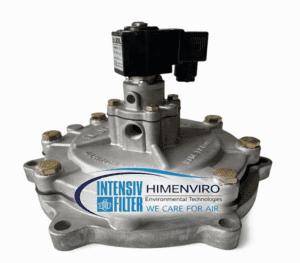
In un sistema di filtraggio a sacco, una valvola solenoide funge da innesco per l'impulso di aria compressa ad alta pressione.
- Il ciclo di pulizia a getto pulsato inizia quando il timer o un controller invia un segnale alla bobina del solenoide.
- Questo impulso rilascia un getto d'aria nel sacchetto del filtro.
- Il sacchetto si espande rapidamente e scuote via lo strato di polvere che si accumula all'esterno.
- Una pulsazione efficiente garantisce una pressione differenziale stabile, nota come ΔP, all'interno del sistema.
- Una pulizia adeguata previene l'intasamento dei sacchi in aree di lavoro gravose come gli impianti di cemento.
- Una corretta ottimizzazione della frequenza degli impulsi riduce il consumo d'aria e contribuisce a prolungare notevolmente la durata dei sacchetti filtro.
Ruolo dell'elettrovalvola a getto pulsato nei depolveratori
L'elettrovalvola a getto pulsato è posizionata sul serbatoio di accumulo dell'aria. Controlla le valvole a membrana più grandi che rilasciano l'aria. Queste valvole devono aprirsi e chiudersi in millisecondi. Questa velocità crea un'onda d'urto potente, fondamentale per una pulizia efficace del depolveratore.
Una risposta lenta della valvola causa impulsi deboli. Questi impulsi non riescono a pulire correttamente i sacchi. Quando ciò accade, la ventola lavora molto di più e i costi energetici aumentano. Le valvole ad alte prestazioni sono progettate per ridurre le perdite d'aria e garantire la costanza di ogni impulso. In ambienti difficili come gli impianti siderurgici, queste valvole devono gestire elevate concentrazioni di polvere.
Applicazioni delle elettrovalvole negli impianti di cemento e acciaierie
In un cementificio, una valvola solenoide svolge un ruolo fondamentale. Controlla il flusso d'aria necessario per pulire i filtri che catturano le polveri abrasive provenienti dai forni e dai mulini. Se queste valvole si guastano, la polvere si accumula e blocca il sistema. Anche le acciaierie si affidano a questi componenti. Gestiscono gli impulsi d'aria negli impianti di aspirazione dei fumi degli impianti di sinterizzazione. Queste aree sono caratterizzate da carichi di polvere molto elevati e irregolari.
Le centrali elettriche a biomassa utilizzano queste apparecchiature nei loro sistemi APC (Controllo A/C). Contribuiscono a gestire la polvere appiccicosa e l'umidità che spesso ostruiscono i filtri. Prestazioni affidabili delle valvole aiutano gli impianti a rispettare le rigide normative sulle emissioni stabilite dal CPCB (Central Pollution Control Board).
Manutenzione e risoluzione dei problemi delle elettrovalvole
Il guasto di una valvola solenoide si verifica solitamente a causa della scarsa qualità dell'aria o della presenza di acqua nelle tubazioni. Se l'aria compressa è sporca, la valvola non funzionerà correttamente.
| Problema | Causa | Soluzione |
|---|---|---|
| Bruciatura della bobina | Problemi elettrici | Verificare la tensione e il cablaggio. |
| Lo stantuffo si blocca | Sporco o detriti | Pulire le parti interne |
| Rottura del diaframma | Alta pressione o usura | Installare un nuovo kit di riparazione |
Un kit di riparazione per elettrovalvole consente alle squadre di riparare le parti interne senza dover smontare l'intera unità dalla tubazione. Questo fa risparmiare molto tempo. È consigliabile controllare frequentemente la scatola pilota e il regolatore del filtro dell'aria. Ciò impedisce allo sporco di penetrare nei piccoli fori all'interno della valvola.
Come scegliere il miglior produttore di elettrovalvole in India
Trovare un produttore affidabile di elettrovalvole in India richiede più di una semplice occhiata al prezzo. È necessario concentrarsi sulla competenza ingegneristica alla base del prodotto. Una valvola economica potrebbe far risparmiare denaro nell'immediato, ma spesso si guasta troppo presto. Bisogna invece valutare il costo totale del ciclo di vita.
I produttori leader forniscono dati chiari sulle prestazioni delle loro valvole. Mostrano esattamente come il componente gestisce la frequenza degli impulsi e quanta aria consuma. È inoltre importante verificare il grado di protezione ambientale. Un grado IP67 garantisce che la valvola resista alla polvere e all'acqua in ambienti industriali difficili.
La vicinanza è un fattore importante nella scelta di un fornitore di elettrovalvole. È fondamentale avere un partner con un servizio di assistenza locale per i pezzi di ricambio. Aziende come Intensiv Filter Himenviro analizzano l'intero sistema per garantirne il corretto funzionamento a lungo termine.
Conclusione
Le elettrovalvole fungono da ponte tra i controlli elettronici e la pulizia fisica all'interno dei filtri a maniche industriali. La scelta della configurazione e del materiale delle valvole più adatti consente al vostro impianto di rispettare le normative sulle emissioni e di ridurre i rischi quotidiani. I sistemi a impulsi ben progettati garantiscono una pressione costante, riducendo al contempo i costi energetici per le industrie pesanti come quelle siderurgiche o cementizie.
Domande frequenti
Qual è la causa principale del ronzio dell'elettrovalvola?
Il ronzio nelle valvole dei condizionatori si verifica solitamente quando l'anello di schermatura è rotto o allentato.
Posso sostituire una bobina senza interrompere il processo?
Sì. Molte valvole industriali consentono a un operatore di sostituire la bobina senza dover rilasciare la pressione dal sistema.
Con quale frequenza devo controllare le elettrovalvole a getto pulsato?
Gli impianti ispezionano queste valvole ogni tre mesi. Anche tu dovresti controllarle se la lettura della pressione diventa instabile.
Per le guarnizioni delle elettrovalvole, è meglio il NBR o il Viton?
L'NBR funziona bene per l'aria compressa standard. Il Viton è una scelta migliore se è necessario resistere ad alte temperature o a sostanze chimiche aggressive.
Perché la mia elettrovalvola non si apre?
Questo problema si verifica spesso a causa di una bobina bruciata. Può anche accadere se la tensione è troppo bassa o se dello sporco ostruisce il foro pilota.
 IT
IT  EN_US
EN_US  UR
UR  AR
AR  NL
NL  MS
MS  DE
DE  FR
FR  FA
FA  VI
VI  KO
KO  RU
RU  ID
ID  FIL
FIL  KK
KK  UZ
UZ  BG
BG  CS
CS  HU
HU  SL
SL  SV
SV  PL
PL  TR
TR  FI
FI  ES
ES