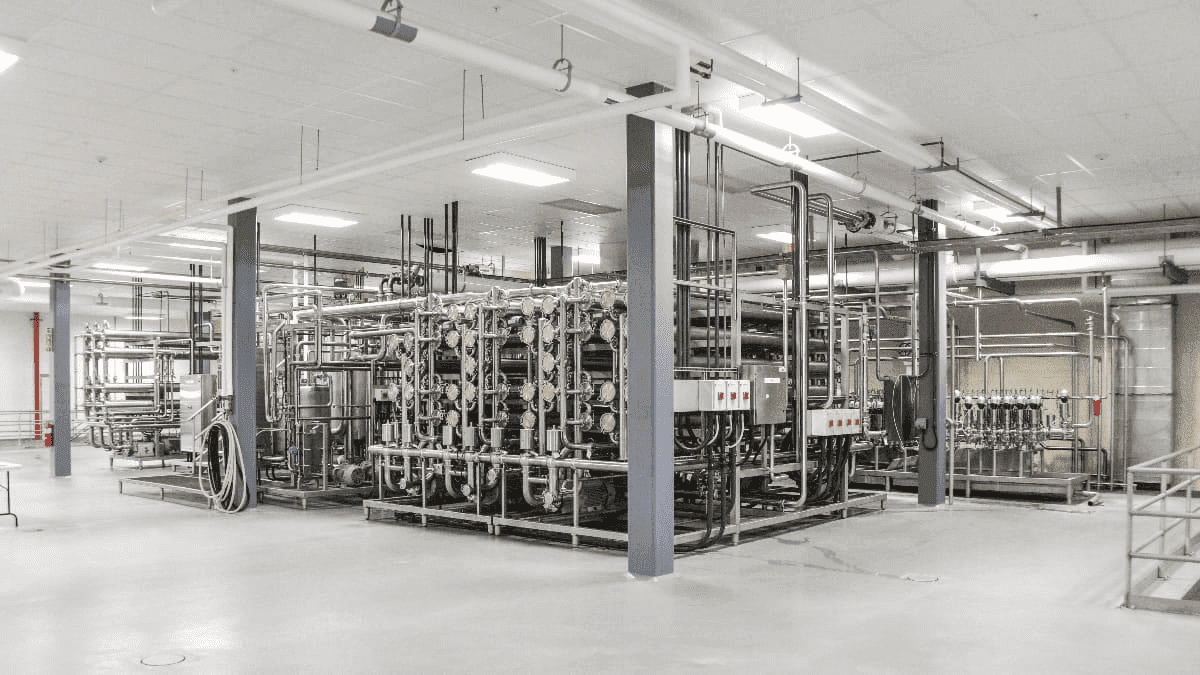
Industrial Filtration for Dairy & Food Powder Plants: Technology Guide
Food powder manufacturing requires more than efficient production. Whether processing milk powder, starch, flour, sugar, cocoa, or whey, manufacturers must maintain strict hygiene standards while controlling airborne dust and protecting product quality.
As production capacities continue to increase, filtration systems have become an essential part of plant performance. Effective food powder plant filtration helps reduce dust emissions, improve housekeeping, minimize product loss, and support food safety compliance.
Why Filtration Matters in Food Powder Plants
Dust is generated throughout food processing operations, particularly during conveying, drying, mixing, storage, and packaging. If not properly controlled, these fine particles can spread across production areas, increasing cleaning requirements and creating contamination concerns.
A properly designed filtration system captures dust at the source before it enters the workplace environment. This not only improves cleanliness but also supports consistent production and operational reliability.
Challenges Faced by Dairy and Food Processing Plants
Unlike many industrial applications, food manufacturers must balance dust collection performance with strict hygiene requirements.
Dust accumulation can affect product quality, increase maintenance efforts, and create operational inefficiencies. In some applications, combustible dust risks must also be considered. As production volumes grow, these challenges become increasingly important for Operations Managers and EHS teams.
Why Bag Filters Remain the Preferred Solution
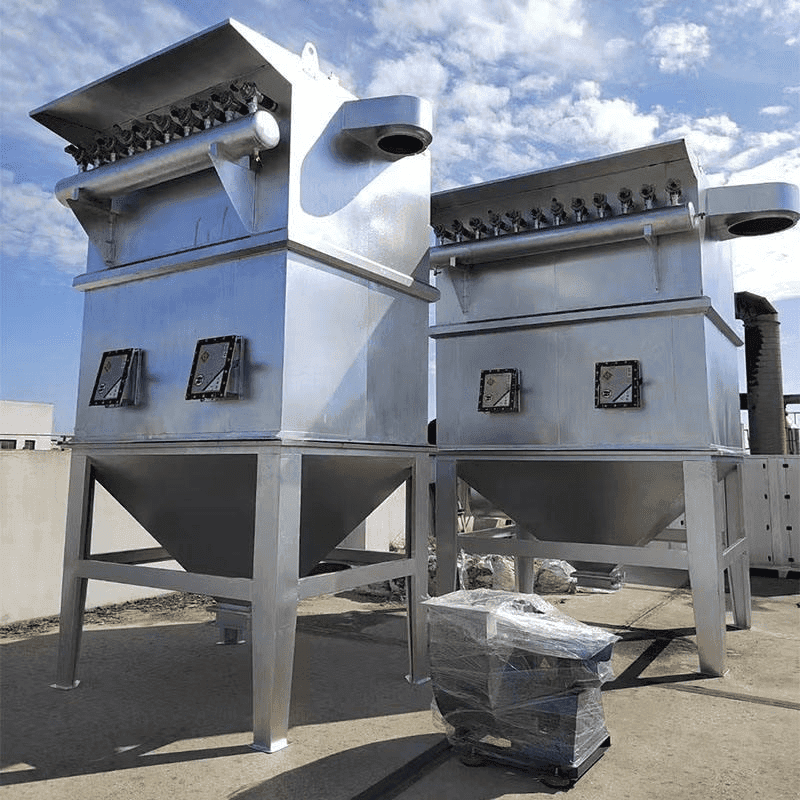
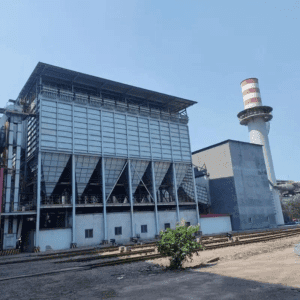
Bag Filters continue to be one of the most effective technologies for food powder applications because they provide high collection efficiency while handling large air volumes.
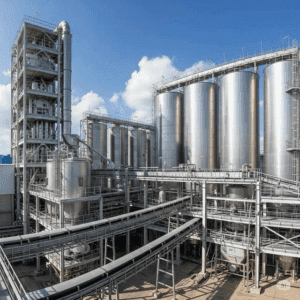
A properly designed milk powder bag filter captures fine airborne particles before they spread through the facility, helping plants improve housekeeping and recover valuable product that would otherwise be lost. Modern systems are often manufactured using hygienic stainless-steel construction to meet food industry standards.
The Growing Importance of CIP Systems
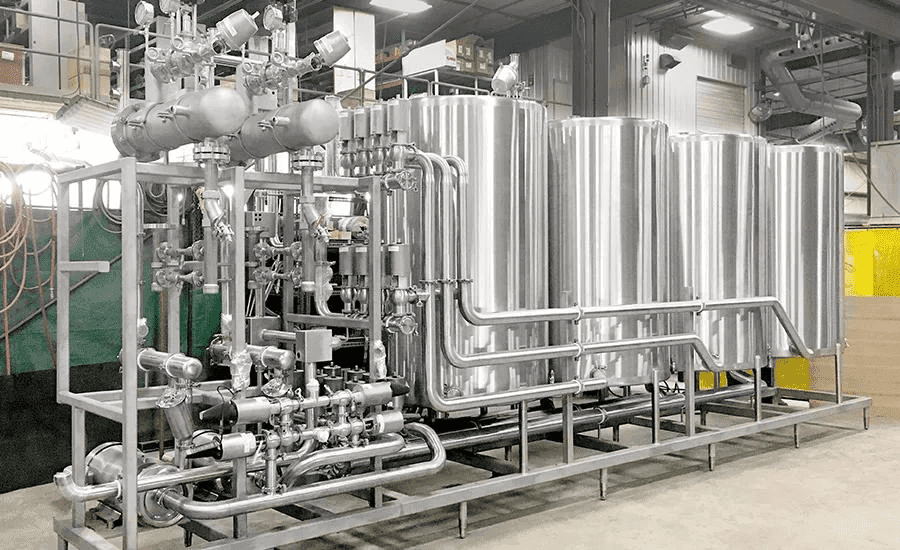
Cleaning downtime directly impacts productivity. This is why many dairy and food manufacturers are moving toward Clean-In-Place (CIP) compatible filtration systems.
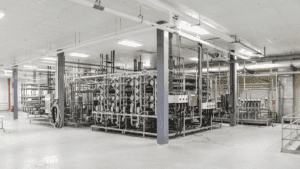
CIP technology allows equipment cleaning with minimal disassembly, helping facilities improve hygiene standards while reducing maintenance time and production interruptions. For food processing operations, this translates into higher equipment availability and more consistent cleaning performance.
Understanding ATEX Requirements
Many food powders are organic materials capable of forming combustible dust clouds under certain conditions. Products such as milk powder, flour, starch, sugar, cocoa, and whey powder may require a formal dust hazard assessment.
Where explosion risks are identified, filtration systems can incorporate features such as anti-static filter media, explosion venting, spark detection systems, and isolation devices. These measures help improve plant safety while supporting compliance requirements.
What Operations Managers Should Consider
Selecting the right dairy dust collector involves much more than comparing airflow capacity or equipment cost.
Long-term performance depends on factors such as maintenance requirements, filter life, energy consumption, hygiene design, cleaning accessibility, and compliance capabilities. The most effective solution is one that supports production goals while maintaining food safety and operational efficiency.
Kesimpulan
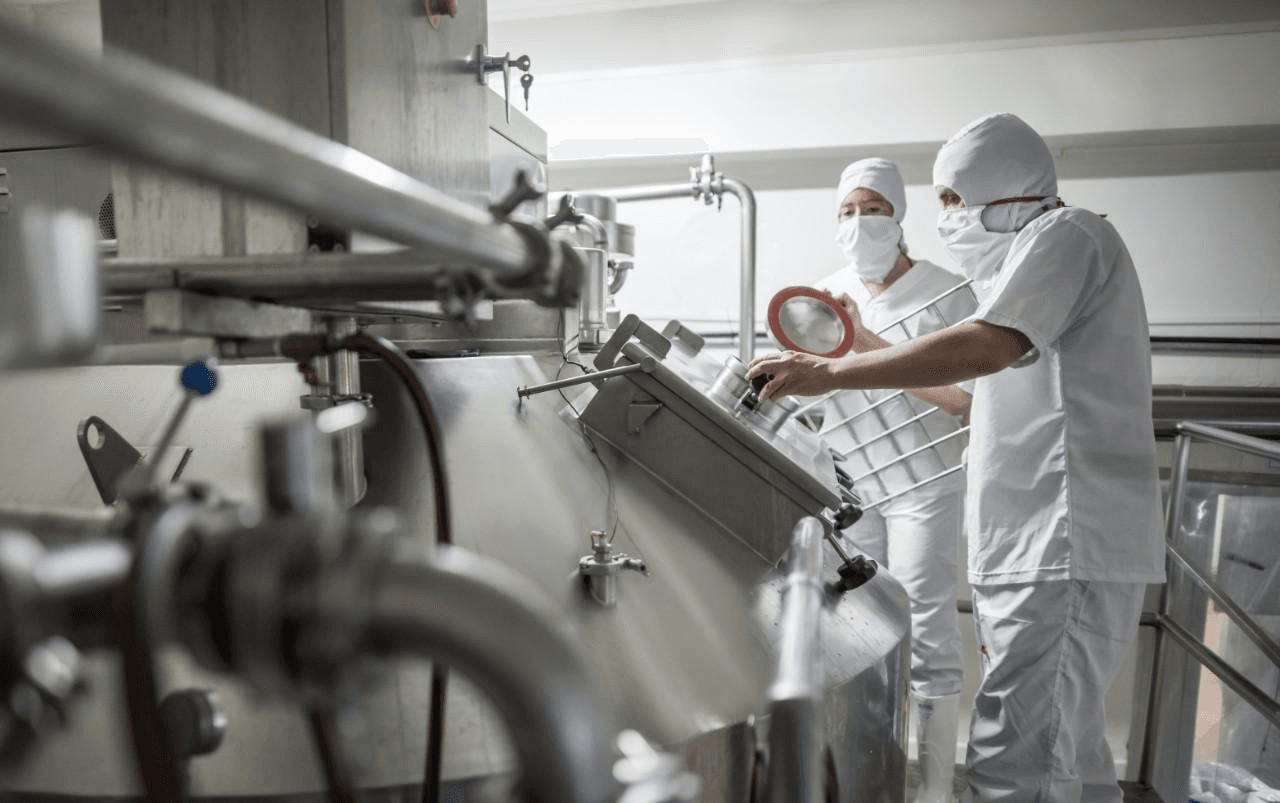
Modern food powder plant filtration systems play a critical role in maintaining hygiene, protecting product quality, improving safety, and reducing operating costs.
By combining high-efficiency Bag Filters, CIP-compatible designs, and ATEX-ready safety features, food manufacturers can create cleaner, safer, and more productive operations. As industry standards continue to evolve, filtration should be viewed as a key production asset rather than simply an environmental requirement.
Pertanyaan yang Sering Diajukan
Which filtration system is best for milk powder production?
Bag Filters are widely used because they provide excellent dust collection efficiency while supporting hygienic operation and product recovery.
Why is CIP important in food processing?
CIP systems reduce cleaning time, improve hygiene standards, and minimize production downtime.
Do dairy plants require ATEX-compliant filtration systems?
Where combustible dust hazards exist, ATEX-compliant designs help improve safety and compliance.
What are the benefits of a modern dairy dust collector?
Improved housekeeping, reduced product loss, enhanced safety, better hygiene, and lower maintenance requirements.
 ID
ID  EN_US
EN_US  UR
UR  AR
AR  NL
NL  MS
MS  DE
DE  FR
FR  IT
IT  FA
FA  VI
VI  KO
KO  RU
RU  FIL
FIL  KK
KK  UZ
UZ  BG
BG  CS
CS  HU
HU  SL
SL  SV
SV  PL
PL  TR
TR  FI
FI  ES
ES