
Quick overview
- Fiberglass filter bags handle continuous high temperatures.
- These bags control emissions in cement, steel, and power plants.
- PTFE membranes help the bags last longer and work better.
- Proper surface treatments increase the efficiency of industrial filtration.
Understanding fiberglass filter bags in industrial dust collection
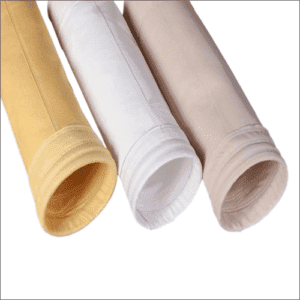
Glass fiber filter bags act as the main tool for industrial dust collection. These bags consist of silica or SiO2. Manufacturers make them by pulling hot, melted glass into tiny strands. Because of this, the material handles extreme heat without breaking down.
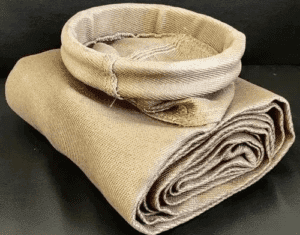
Think of these items as heavy-duty socks made from glass threads. They do not melt when they touch hot smoke. They trap dust particles while letting clean air pass through the system. Fiberglass stays stable because it is a non-combustible material. It does not shrink or stretch when temperatures climb. This quality ensures the bags keep their exact size inside large air cleaning machines.
Why high temperature baghouse applications require fiberglass media
A high temperature baghouse needs strong materials to work right. Standard synthetic fibers fail when the heat gets too high. Polyester melts at 150°C. It cannot handle the extreme conditions of many industrial processes. Fiberglass handles heat much better. It works well at 260°C.
Plants often deal with sudden temperature spikes. These surges can climb to 280°C or even 300°C. Fiberglass remains stable during these events. It does not lose its shape or melt. This keeps the filtration system running without sudden stops.
| مواد | Continuous Heat Limit |
|---|---|
| فایبرگلاس | 260°C |
| نومکس | ۲۰۰ درجه سانتیگراد |
| پلی استر | 130°C |
Engineers choose fiberglass for its thermal resistance. It is a smart pick when the process runs hot. However, it has limits. Do not use fiberglass if the air has high levels of hydrofluoric acid. Strong alkalis also destroy it. These chemicals eat away at the glass fibers and ruin the bag.
Key types of fiberglass filter media for industrial use
Choosing the right fiberglass filter media depends on what the plant filters. Different designs suit different needs. Companies like فیلتر Intensiv Himenviro help plants pick the best fit.
Here are the main options:
- Woven fiberglass filter bags: These are the old-school choice. They offer high mechanical strength. They are tough, but they let less air pass through them.
- Non-woven fiberglass filter bags: These use needle felt. They trap fine dust better than woven bags. They allow more air to flow, but they are softer and more delicate.
Some bags have a special PTFE membrane. This coating stops dust from sticking to the surface. The dust stays on the outside and falls off easily during cleaning. A cement kiln once switched to PTFE-membrane bags. They saw a 30% drop in how often they had to clean the bags. This membrane acts like a shield. It keeps the fabric clean and helps it last longer.
Critical applications across high heat industries
Cement plants rely on fiberglass filter bags for their kilns. These bags manage abrasive clinker dust and high heat. They help the plant follow CPCB emission norms. Without these filters, dust control in such harsh conditions becomes very difficult.
Steel plants also use these bags for furnace dust collection. Furnaces release sparks and extreme heat during operation. Fiberglass bags trap this dust while resisting heat damage.
Power plants and biomass boilers need special care. Their flue gases are often corrosive. Engineers add acid-resistant finishes to the fiberglass. This coating stops the bags from breaking down during load swings.
A common mistake happens in biomass boilers. Some operators use standard fiberglass without an acid-resistant finish. This causes a problem called glass rot. Sulfuric acid eats through the fibers. This makes the bags fail early. It is a precarious situation for any facility manager.
Engineering insights for system optimization
Fiberglass filter bags work best under certain conditions. Engineers keep the air-to-cloth ratio between 0.5 and 0.8 meters per minute for woven media. This range keeps the system efficient.
Sometimes, the differential pressure stays too high. This happens because of bag blinding or weak pulse cleaning. High pressure increases power costs. It also puts more stress on the fan.
Operators solve this with better cleaning systems. They often choose the Coanda Injector. This device makes pulse cleaning more consistent. It uses less compressed air too.
A stable differential pressure helps the bags last longer. It also reduces unplanned downtime for 2026 operations. Steady performance keeps the whole system running smoothly.
Maintenance tips for heavy duty fiberglass filter bags
Proper baghouse maintenance helps these heavy duty filters last longer. Replacing them too often costs your plant too much money. Follow these simple steps to keep your system running well.
- Handle the bags with care when you install them. Glass fibers are brittle. They break easily if you fold or crease the fabric. Treat them like glass.
- Keep the right amount of tension in your reverse air baghouses. Loose bags rub against the metal cages. This friction wears the fabric out very fast.
- Watch the acid dew point. Keep your baghouse temperature above this specific level. Moisture and acid will collect on the bags if the air gets too cool. This mixture blinds the bags and stops airflow.
- Check the cages for rust or damage. Rough spots on the metal act like sandpaper. They rub against the fiberglass threads and tear holes in them.

نتیجه گیری
Picking the right fiberglass filter bag depends on your operating temperature, the chemistry of your exhaust, and your machine design. Good maintenance habits and choosing the right membrane help your plant meet emission rules for a long time.
Frequently asked questions
What is the temperature limit for fiberglass filter bags?
These bags handle 260°C continuously. They survive heat peaks up to 280°C.
How long do fiberglass filter bags last?
You can expect them to last over 2 to 3 years in cement kilns when you keep them in good shape with PTFE membranes.
Can I use fiberglass bags in a wet environment?
No, you should avoid wet spots because glass fibers break down from water damage. Stick to dry, high-heat work.
What is the price of fiberglass filter bags in India?
You will pay between Rs 800 and Rs 2500 for a bag. The final cost depends on the size and the chemical finish you pick.
Why use PTFE membranes on fiberglass?
This layer stops dust from clogging the fabric. It helps the bag stay clean and keeps the pressure drop low during use.

 FA
FA  EN_US
EN_US  UR
UR  AR
AR  NL
NL  MS
MS  DE
DE  FR
FR  IT
IT  VI
VI  KO
KO  RU
RU  ID
ID  FIL
FIL  KK
KK  UZ
UZ  BG
BG  CS
CS  HU
HU  SL
SL  SV
SV  PL
PL  TR
TR  FI
FI  ES
ES