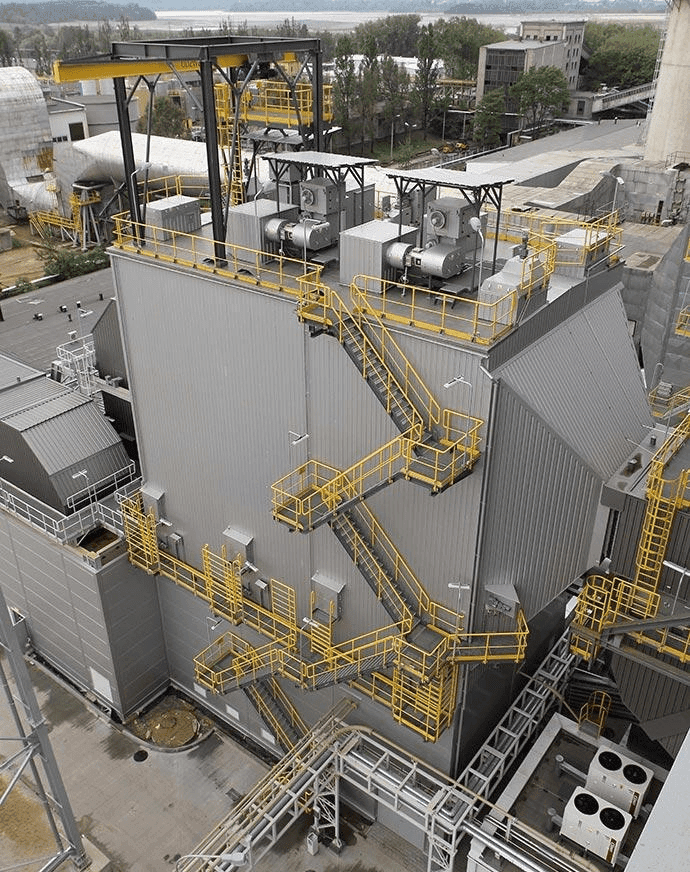
ESP to Baghouse Conversion: A Step-by-Step Project Guide
Across power plants, cement plants, steel facilities, and process industries, many Electrostatic Precipitators (ESPs) installed decades ago are now struggling to meet today’s emission requirements. Changes in fuel quality, increased production loads, aging equipment, and stricter environmental regulations have pushed many plant operators to evaluate alternative solutions.
One of the most effective approaches is an ESP to baghouse conversion. Rather than continually investing in aging ESP systems, many facilities are replacing or retrofitting them with high-efficiency bag filters capable of achieving significantly lower particulate emissions and improved operational stability.
For Plant Heads, EPC contractors, and project teams, understanding the conversion process is critical for project success.
Why Plants Convert ESPs to Baghouses
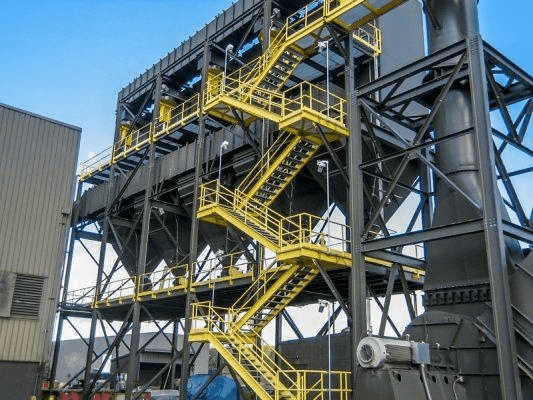
Many ESPs were originally designed when emission limits were far less stringent than they are today. While ESP technology remains effective in many applications, performance can decline when ash characteristics change, sulfur content varies, or plant operating conditions differ from original design assumptions.
As emission limits become increasingly demanding, operators often find that upgrading an existing ESP may not deliver the desired results. In such situations, converting to a baghouse can provide a more reliable path toward compliance.
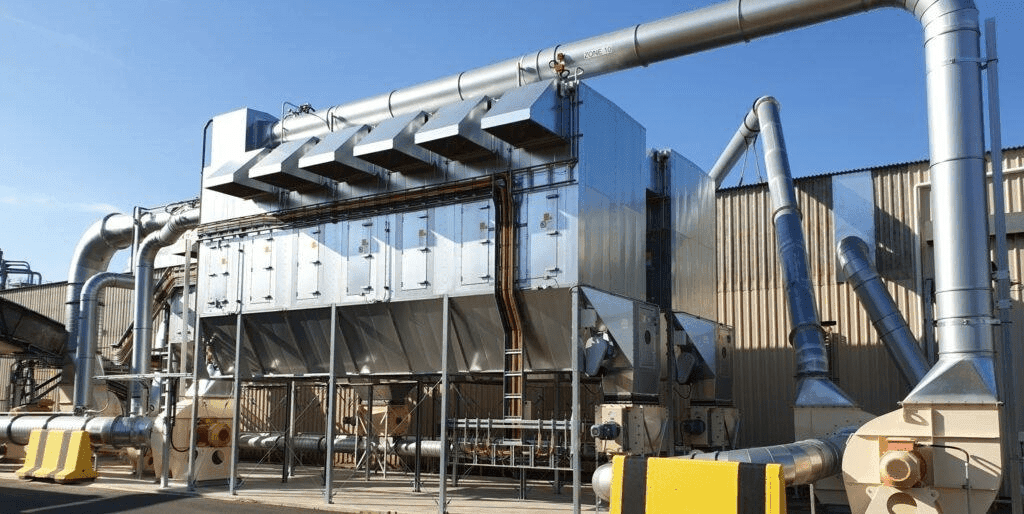
Modern baghouses offer consistently high collection efficiency, greater tolerance to process variations, and improved performance for fine particulate capture. This is why many facilities are evaluating ESP replacement projects as part of their long-term environmental strategy.
When Should a Conversion Be Considered?
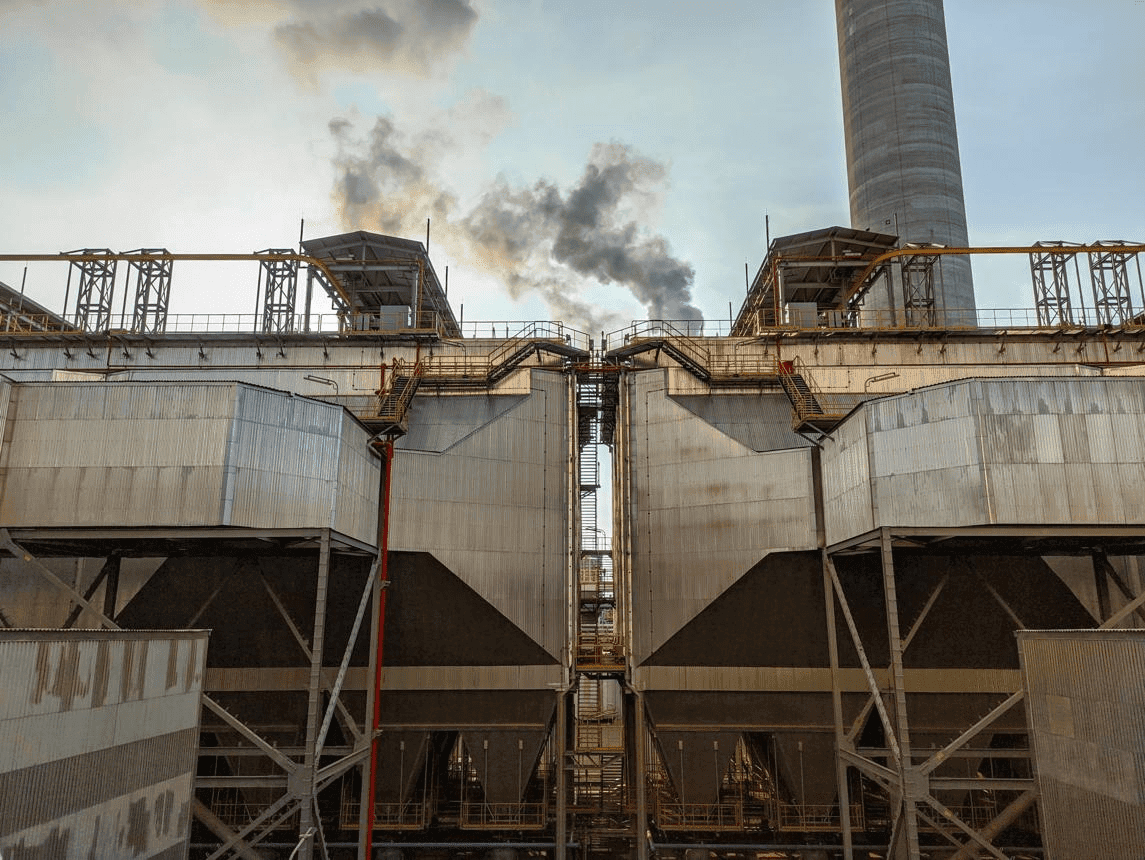
An ESP to baghouse conversion is typically evaluated when plants experience difficulty meeting emission limits, increasing maintenance requirements, aging electrical systems, reduced collection efficiency, rising operating costs, or future capacity expansion requirements.
However, the decision should not be based solely on emissions. A proper technical assessment should evaluate equipment condition, remaining lifecycle, operating costs, and future compliance requirements before determining the best path forward.
Step 1: Detailed Technical Assessment
Every successful conversion project begins with a detailed assessment of the existing system.
This stage involves evaluating gas flow rates, operating temperatures, dust characteristics, available space, structural conditions, and emission targets. Engineers also review existing ESP performance data to identify operational limitations and project objectives.
The goal is to determine whether a full replacement, partial retrofit, or hybrid solution offers the greatest long-term value.
Step 2: Engineering & Retrofit Planning
Once feasibility is confirmed, detailed engineering begins.
This stage includes airflow analysis, structural evaluation, duct modifications, fan assessments, hopper arrangements, compressed air requirements, and maintenance access considerations. Project teams must ensure that the new baghouse integrates seamlessly with existing plant infrastructure while minimizing operational disruption.
For EPC teams, early planning is essential because retrofit projects often involve complex site constraints and limited shutdown windows.
Step 3: Baghouse Design & Equipment Selection
The performance of a baghouse depends heavily on proper design.
Factors such as air-to-cloth ratio, dust characteristics, operating temperature, filter media selection, cleaning technology, and future expansion requirements must all be considered. The selected design should not only achieve current emission targets but also provide flexibility for future regulatory changes.
A well-engineered baghouse typically delivers stable performance even when process conditions fluctuate significantly.
Step 4: Installation & Commissioning
During installation, project execution becomes the primary focus.
Equipment erection, ductwork modifications, instrumentation integration, electrical connections, and control system implementation must be carefully coordinated to meet project schedules. Most facilities aim to complete major installation activities during planned shutdowns to minimize production losses.
Following installation, commissioning verifies airflow distribution, cleaning system operation, pressure drop performance, and emission compliance before full operation begins.
What Benefits Can Plants Expect?
The primary reason most facilities convert ESPs to baghouses is improved emission performance. However, the benefits often extend far beyond compliance.
Many plants experience improved particulate capture efficiency, better handling of changing fuel qualities, greater operational flexibility, and reduced environmental risk. Modern baghouses can also simplify future compliance planning as regulations continue to evolve.
For facilities facing repeated ESP performance challenges, a conversion project can provide a long-term solution rather than a short-term fix.
ROI Considerations
One of the most common questions from management teams is whether the investment is justified.
While capital costs must be evaluated carefully, ROI calculations should also consider avoided penalties, reduced maintenance expenses, improved operational reliability, lower compliance risks, and the potential cost of future ESP upgrades.
In many cases, the lifecycle economics of a properly designed baghouse make conversion a financially attractive option over continued investment in aging ESP infrastructure.
Why Partner with IFH?
An ESP to baghouse conversion is more than an equipment replacement project—it is an engineering project that directly impacts plant compliance and operational performance.
With extensive experience in air pollution control systems, retrofit engineering, and emission control technologies, IFH supports clients from feasibility assessment through engineering, manufacturing, installation, and commissioning. Our approach focuses on delivering practical solutions that help plants achieve both compliance and long-term reliability.
Schedule a Consultation
Considering an ESP upgrade baghouse project?
Speak with our engineering team to evaluate technical feasibility, project economics, and emission improvement opportunities.
Use our ROI Calculator to understand the financial benefits of converting your existing ESP system to a modern baghouse solution.
Preguntas frecuentes
What is an ESP to baghouse conversion?
It is the process of replacing or retrofitting an existing Electrostatic Precipitator with a Baghouse Filtration System to improve particulate collection efficiency and emission compliance.
Why do plants convert ESPs to baghouses?
Most conversions are driven by stricter emission regulations, aging ESP equipment, changing fuel characteristics, and the need for more reliable particulate control.
Can an existing ESP structure be reused?
In some projects, portions of the existing structure may be reused depending on engineering evaluations and site conditions.
How long does an ESP replacement project take?
Project duration depends on plant size, scope of work, shutdown availability, and retrofit complexity.
How can I evaluate the ROI of a conversion project?
ROI should consider compliance benefits, maintenance savings, improved reliability, avoided penalties, and future upgrade requirements.
 ES
ES  EN_US
EN_US  UR
UR  AR
AR  NL
NL  MS
MS  DE
DE  FR
FR  IT
IT  FA
FA  VI
VI  KO
KO  RU
RU  ID
ID  FIL
FIL  KK
KK  UZ
UZ  BG
BG  CS
CS  HU
HU  SL
SL  SV
SV  PL
PL  TR
TR  FI
FI