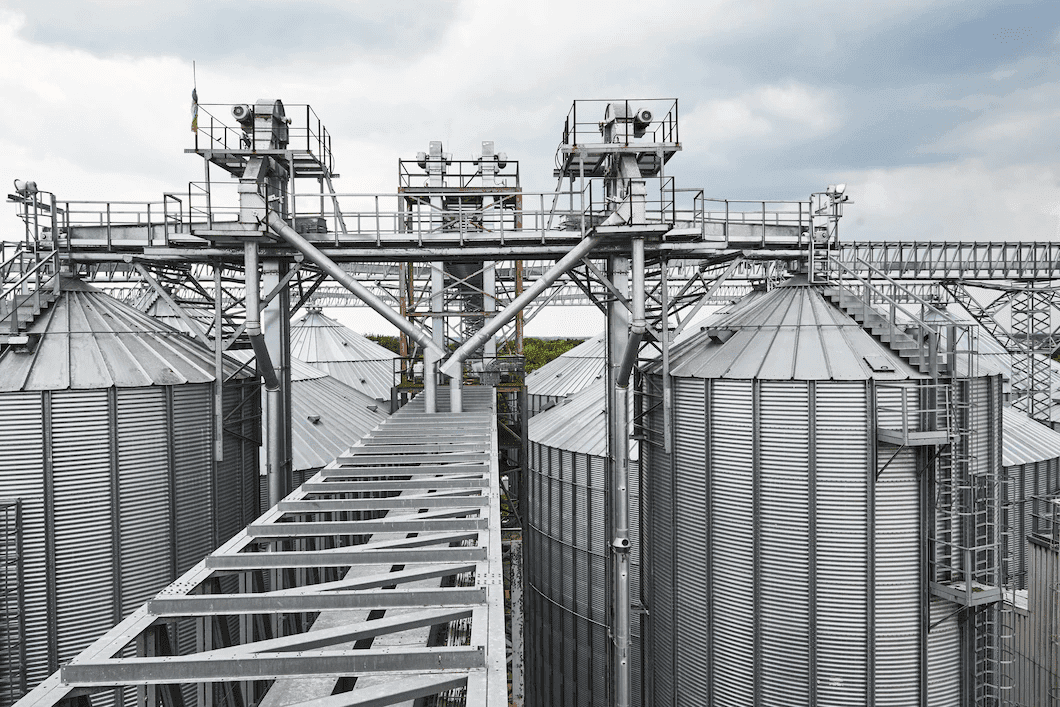
Poor pulse jet cleaning is one of the most common — and most misdiagnosed — problems in industrial baghouses. Before you pull out your filter bags, check the diaphragm valve. A failing membrane quietly destroys cleaning efficiency, drives up energy costs, and risks CPCB non-compliance. This guide explains everything you need to know.
⚡ Quick Overview
- A diaphragm valve controls the quick blasts of air needed for bag cleaning.
- System failure causes high differential pressure and stops production.
- Good membrane choices keep a baghouse running and help meet air quality rules.
Understanding How a Diaphragm Valve Works in Dust Collection
A diaphragm valve is a moving part that uses a flexible sheet to stop or start the flow of air. It seals against a seat to block flow. In a pulse jet dust collector, this valve acts like a high-speed switch for compressed air. The pulse jet diaphragm valve working principle relies on a fast release of air to clean filters.
Think of it like a heavy-duty tap that opens and closes in tiny fractions of a second to knock dust off filter bags. The valve sits between the clean air area and the compressed air tank. When the electric part triggers, the pressure balance changes — and this shift makes the diaphragm lift instantly.
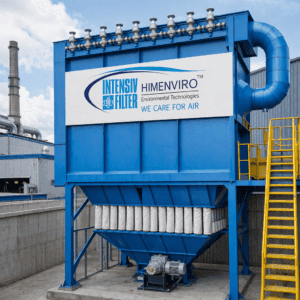
The Pulse Jet Cleaning Mechanism in Industrial Baghouses
A Pulse Jet Bag Filter uses a fast burst of air to clean dust off filter bags. This air shock travels down the bag and knocks the dust cake off the fabric — all while the filter keeps running.
The pulse jet diaphragm valve plays a big role in this process. It must snap open and shut immediately. If it closes too slowly, compressed air leaks out of the system. This waste of air costs money and reduces cleaning power. Proper cleaning keeps the Differential Pressure (ΔP) at a steady level — a stable pressure drop means the system works well and bags last longer.
Comparing Weir and Straight-Through Valve Designs
Industrial diaphragm valves come in two main styles. The choice depends on the specific job:
- Weir type: This design has a raised ridge inside the body. It shortens how far the diaphragm must move, making it react very fast. Most pulse jet systems use this type because of that speed.
- Straight-through valve: This design has no bumps inside and provides a clear path for material. It works best for thick or sticky fluids that might clog a weir design.
Signs Your Pulse Jet Diaphragm Valve Is Failing
You might hear a constant hissing sound near your dust collector. This is a common sign of diaphragm failure — the air keeps leaking because the seal inside the valve does not close all the way.
Check the differential pressure on your gauge. If the number stays high even after a pulse cycle, you likely have a bag filter cleaning issue caused by the diaphragm. The membrane inside the valve might be ripped, or the solenoid pilot could be stuck. This ruins the cleaning process.
Your fan now works much harder to pull air through the system. This rise in pressure forces your motor to use more power — and you will see your electricity bills climb. Dirty bags also let dust pass right through the filter media, causing dust bleeding from your stack. This is a major risk for CPCB non-compliance.
⚠️ Warning Signs of a Failing Diaphragm Valve
- Constant hissing sound near the dust collector
- Differential pressure stays high even after a pulse cycle
- Visible dust bleeding from the exhaust stack
- Sudden rise in electricity consumption
- Filter bags need replacement much earlier than expected
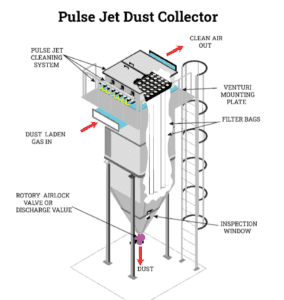
Rising Differential Pressure and Filter Bag Blinding
Your bag filter diaphragm valve controls how long your filter bags last. If the valve does not fire correctly, dust stays stuck on the fabric — a process called blinding. Tiny dust particles get pushed deep into the filter material over time, and standard pulses of air cannot remove this deep-seated dust. Once the bags reach this state, they lose their ability to work and must be replaced early.
Maintenance teams often get confused during these checks. They might assume the bags have failed when the real problem is the valve. This mistake wastes many hours of labor. Always test the valves before you pull out the filter bags.
Compressed Air Waste and Audible Leakages
Faulty seals in a pulse valve diaphragm lead to significant air loss. When these valves fail to close tightly, they bleed thousands of cubic feet of air every minute. This forces air compressors to work much harder and stay on longer than needed — running up high energy bills quickly.
For instance, a single 1.5-inch valve with a bad seal can waste over ₹50,000 in electricity every year in a typical cement plant. Replacing these parts helps improve energy efficiency and stops this silent profit drain.
Essential Components of an Industrial Diaphragm Valve
Reliable operation in a baghouse depends on every piece of the valve working together. Here are the key components you need to know:
- Valve body: The main housing that holds the internal seat and the channels where air flows. It provides the structure for the entire unit.
- Bonnet: Sits on top of the valve. It covers the spring and compressor to keep out dust and grime, preventing debris from clogging the moving parts.
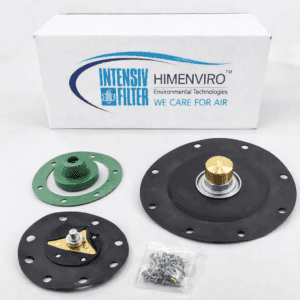
- Diaphragm kit: Includes the flexible rubber membrane and often a fresh spring. This membrane moves to release air pulses and is the most common part to wear out.
Using the right diaphragm valve spare parts baghouse kits ensures that your system maintains pressure and cleans your filters effectively.
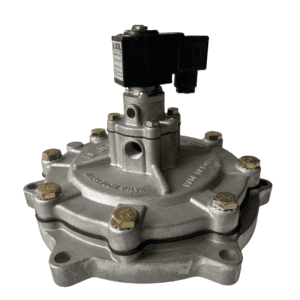
Choosing Membranes Like C50 and C80 for Cement and Steel Plants
| Индустрия | Condition | Recommended Membrane |
|---|---|---|
| Циментови заводи | High-temperature kiln dust | 54444 Membrane C80 |
| Стоманени заводи | Sinter plants with varying dust loads | 81741 Membrane C41 |
| Biomass Power Plants | Sticky particulate from boilers | High-efficiency membrane bags |
| General Industrial | Standard conditions | 54444 Membrane C50 |
Maintenance Tips for Bag Filter Diaphragm Valves
- Inspect all valves every three months. Listen for audible leaks or sluggish response times.
- Replace diaphragm kits every 12 to 24 months. The exact time depends on how often your pulse valves fire.
- Check the solenoid wiring often. Ensure no pulses are skipped during the cleaning cycle.
- Keep extra parts on hand. A stock of critical spares like the 54283 Membrane helps you avoid long periods of downtime.
Step-by-Step Diaphragm Kit Replacement for Maintenance Teams
- Turn off the compressed air supply. Open the vent on the header tank to remove all trapped pressure.
- Undo the bolts on the bonnet. Lift the cover off the valve body with care.
- Check the metal seat for dirt, pits, or scratches. These marks stop the valve from sealing shut.
- Place the new membrane inside. Line up the small bleed hole with the hole in the valve body.
- Put the cover back on and tighten the bolts evenly.
- Check for air leaks before you start the system again.
Why Clean and Dry Air Prevents Premature Valve Failure
People often blame the quality of the rubber for a broken pulse valve diaphragm. The real culprit is usually the quality of the compressed air. Moisture in the tank sits against the metal and starts internal rust. Oil from the air compressor gets into the air lines, touches the rubber, and makes the material swell and lose its strength.
✅ Pro Tip
Install an air dryer on your compressed air supply. It removes water and oil from the air lines, stops membrane rot, and keeps your diaphragm valves working for a much longer time — often doubling their service life.
Заключение
Optimizing your diaphragm valve is one of the most cost-effective improvements you can make to your baghouse in 2026. A well-maintained valve improves cleaning efficiency, reduces energy bills, extends filter bag life, and keeps your plant compliant with CPCB emission norms. Do not wait for a failure — inspect your valves today.
Често задавани въпроси
How long does an industrial diaphragm valve last?
Most valves last for 1 to 2 million pulses if the compressed air stays dry and clean. Moisture and oil contamination are the main causes of early failure.
Can I use a C50 membrane in a high-temperature baghouse?
It is better to use specialized materials like C80 for temperatures above 100°C. Using the wrong membrane in high-heat environments leads to rapid thermal hardening and early failure.
Why is my pulse valve hissing?
This usually means the diaphragm has a hole or crack, or the solenoid pilot is stuck in the open position. Replace the diaphragm kit and inspect the solenoid before restarting the system.
What is the benefit of a weir-type diaphragm valve?
It has a short stroke. This design reduces mechanical stress on the rubber membrane, making it react faster and last longer than a straight-through valve in pulse jet applications.

 BG
BG  EN_US
EN_US  UR
UR  AR
AR  NL
NL  MS
MS  DE
DE  FR
FR  IT
IT  FA
FA  VI
VI  KO
KO  RU
RU  ID
ID  FIL
FIL  KK
KK  UZ
UZ  CS
CS  HU
HU  SL
SL  SV
SV  PL
PL  TR
TR  FI
FI  ES
ES