Прах от летяща пепел: Ръководство за свойства, опасности и филтриране
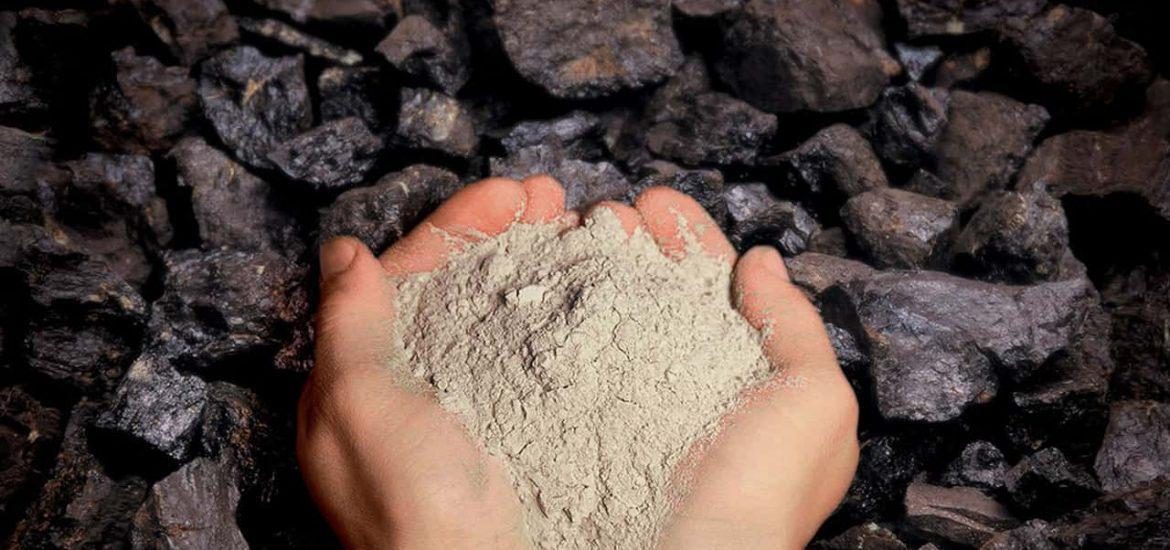
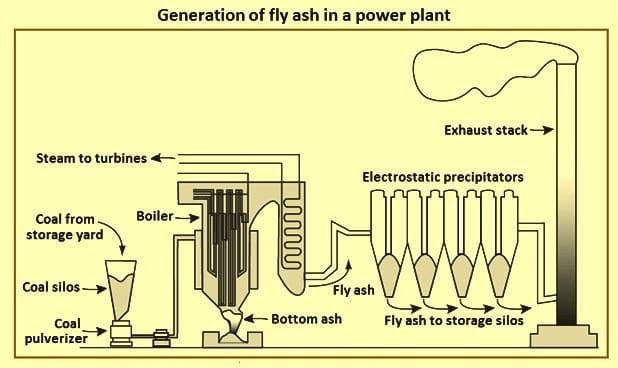
Fly ash dust is a fine particulate by-product generated during the combustion of coal, lignite, petcoke, or biomass in boilers. It is carried by flue gases and must be captured before being released into the atmosphere.
Typical Characteristics
| Параметър | Typical Value |
|---|---|
| Размер на частиците | 1–100 µm |
| Bulk Density | 600–1000 kg/m³ |
| Major Components | Silica, Alumina, Iron Oxide, Calcium Oxide |
| Dust Loading | 10–80 g/Nm³ |
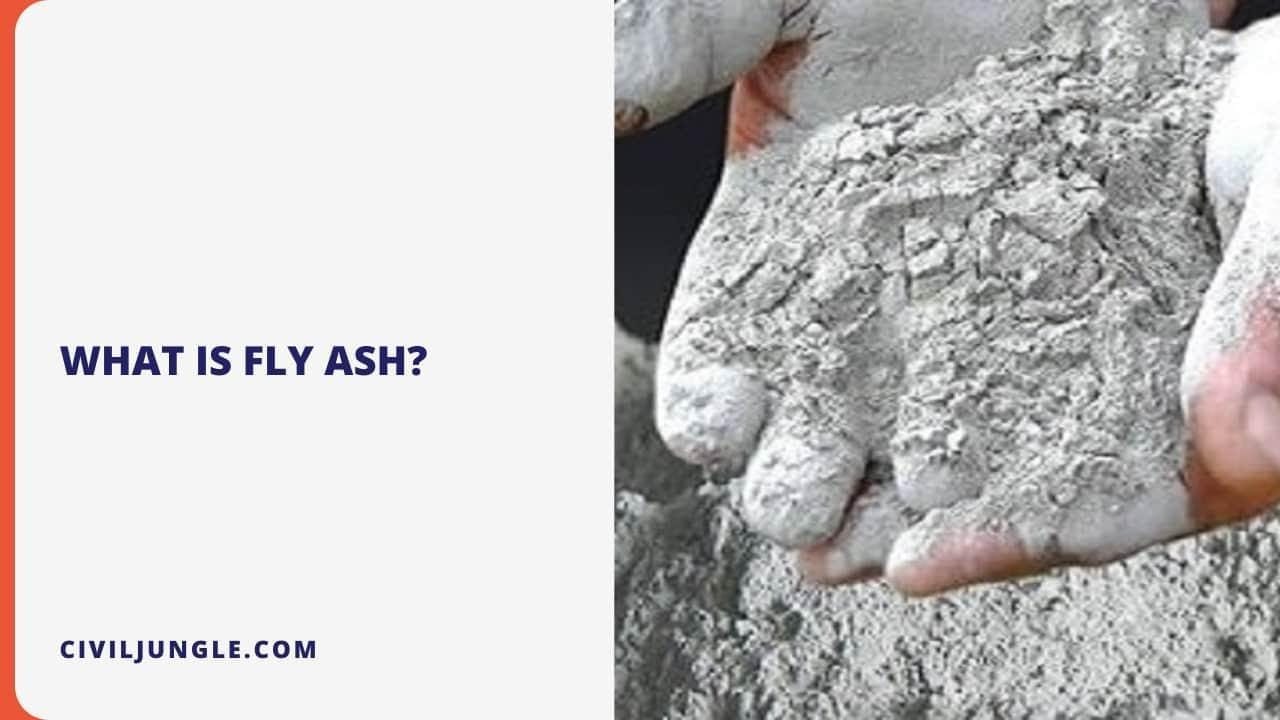
Why is Fly Ash Dust a Concern?
Health Hazards
- ✓Respiratory irritation
- ✓Asthma and bronchitis
- ✓Long-term silica exposure risks
Въздействие върху околната среда
- ✓Air pollution
- ✓Soil contamination
- ✓Water pollution
Operational Issues
- ✓Fan and duct erosion
- ✓Hopper choking
- ✓Increased maintenance costs
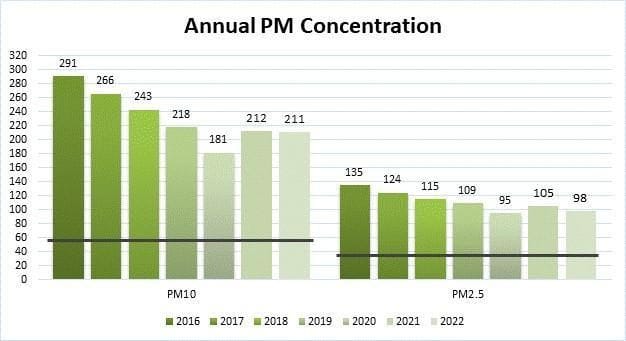
Fly Ash Filtration Technologies
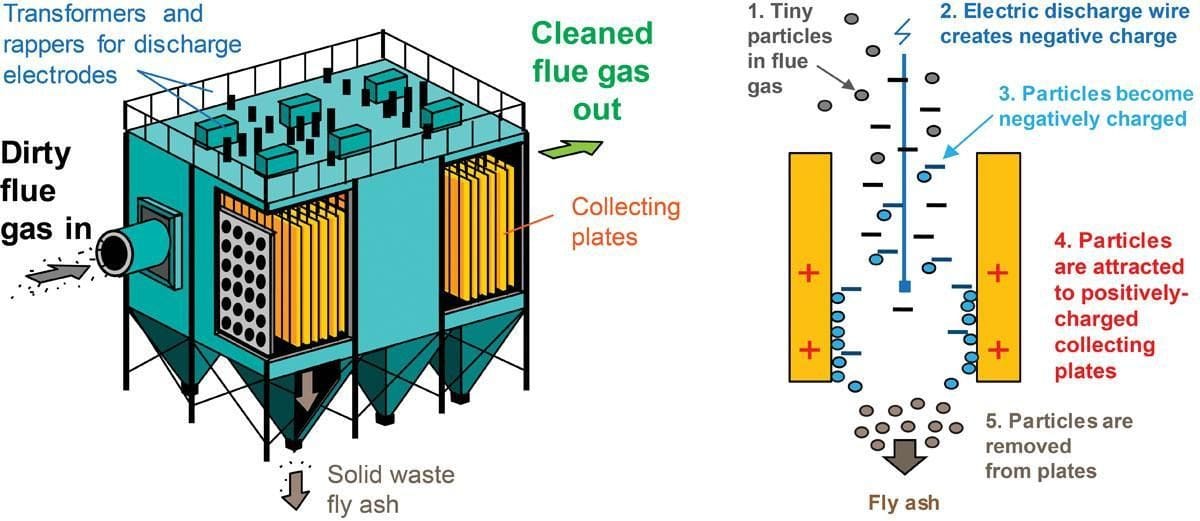
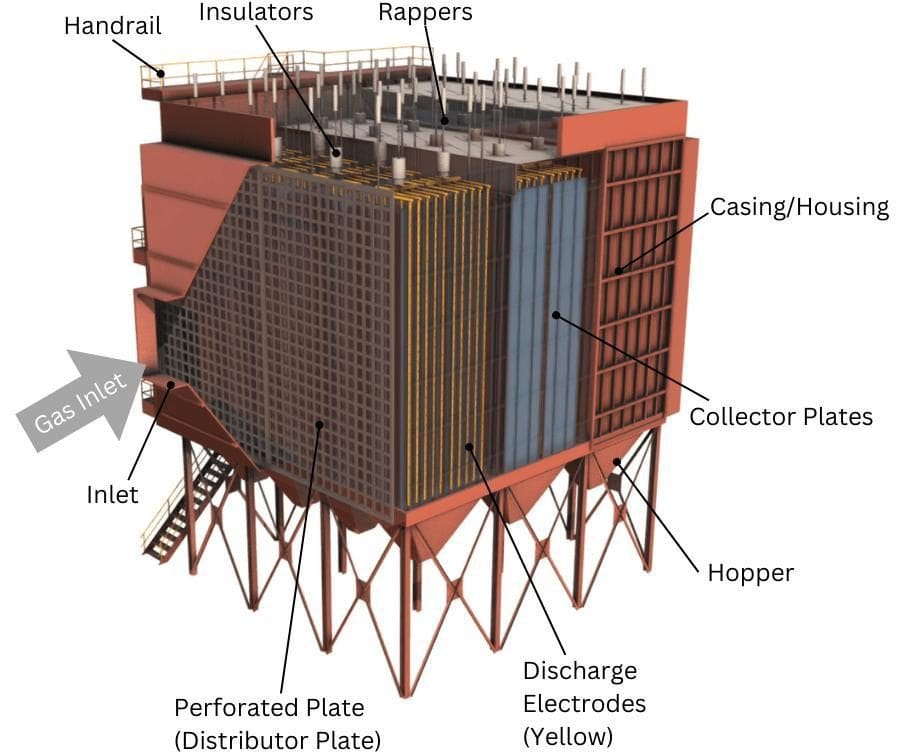
Електростатичен филтър (ESP)
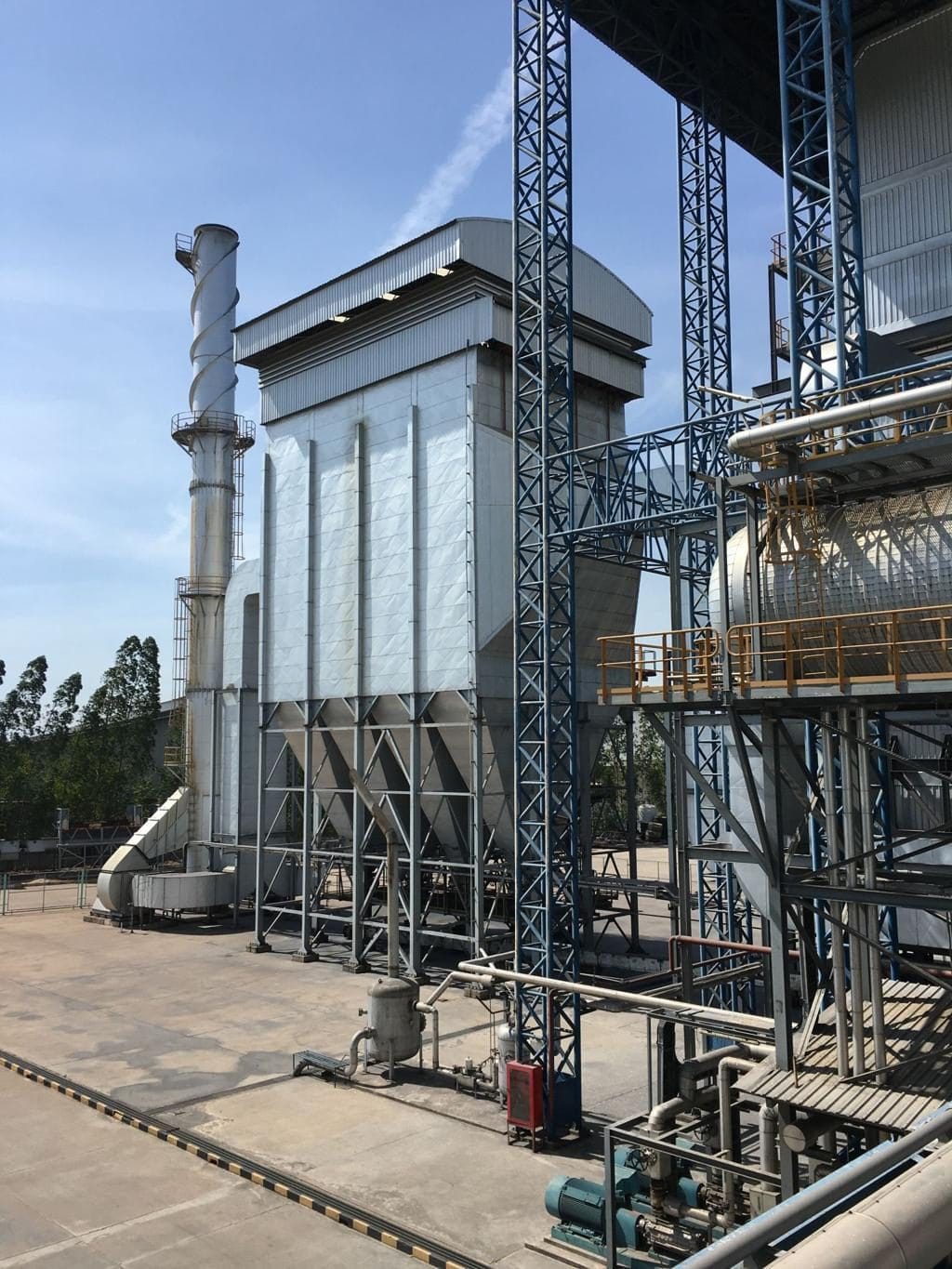
ESP removes fly ash using electrostatic forces.
- ✓Low pressure drop (10–25 mmWC)
- ✓Подходящ за големи газови обеми
- ✓Lower fan power consumption
Typical Performance
| Параметър | Value |
|---|---|
| Efficiency | 98–99.8% |
| Падане на налягането | 10–25 mmWC |
| Емисия на изхода | 30–100 mg/Nm³ |
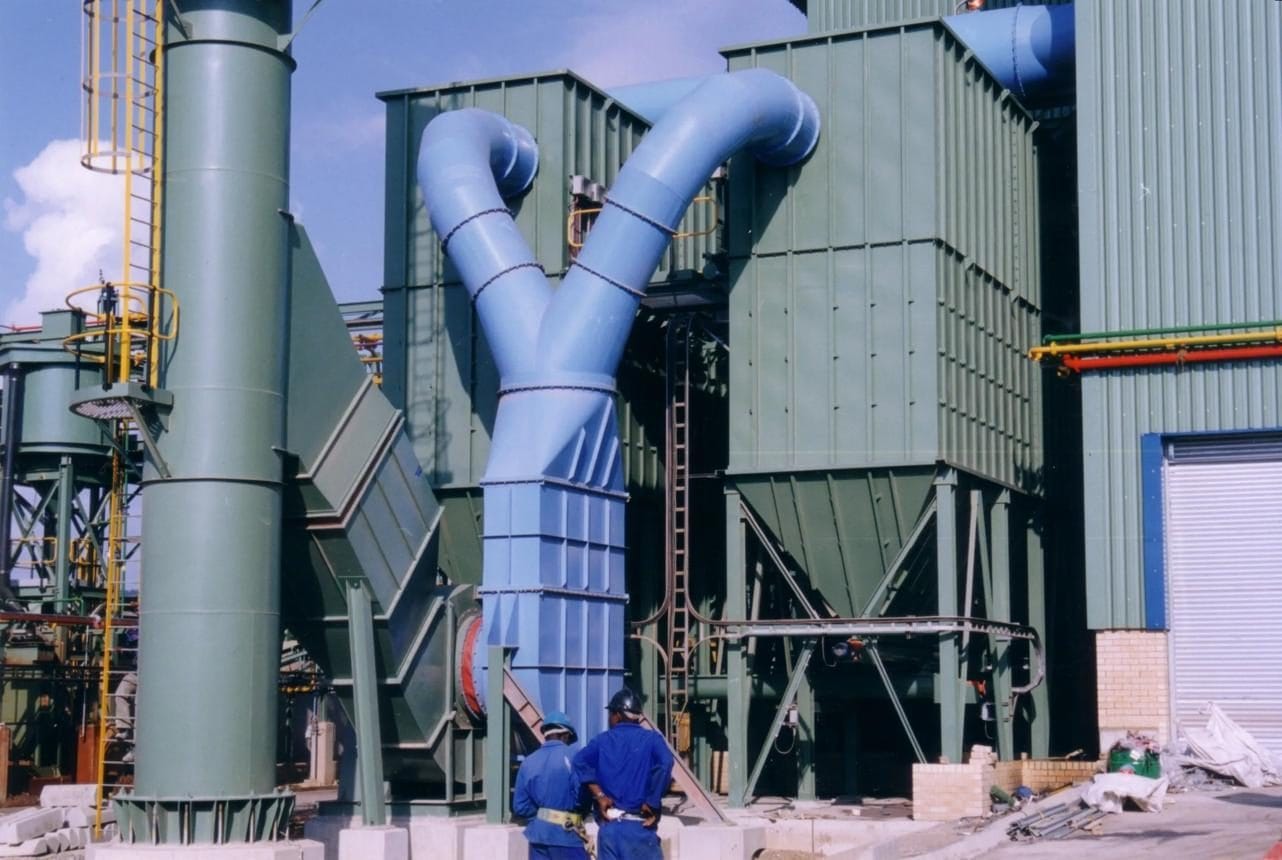
Bag Filter (Baghouse)
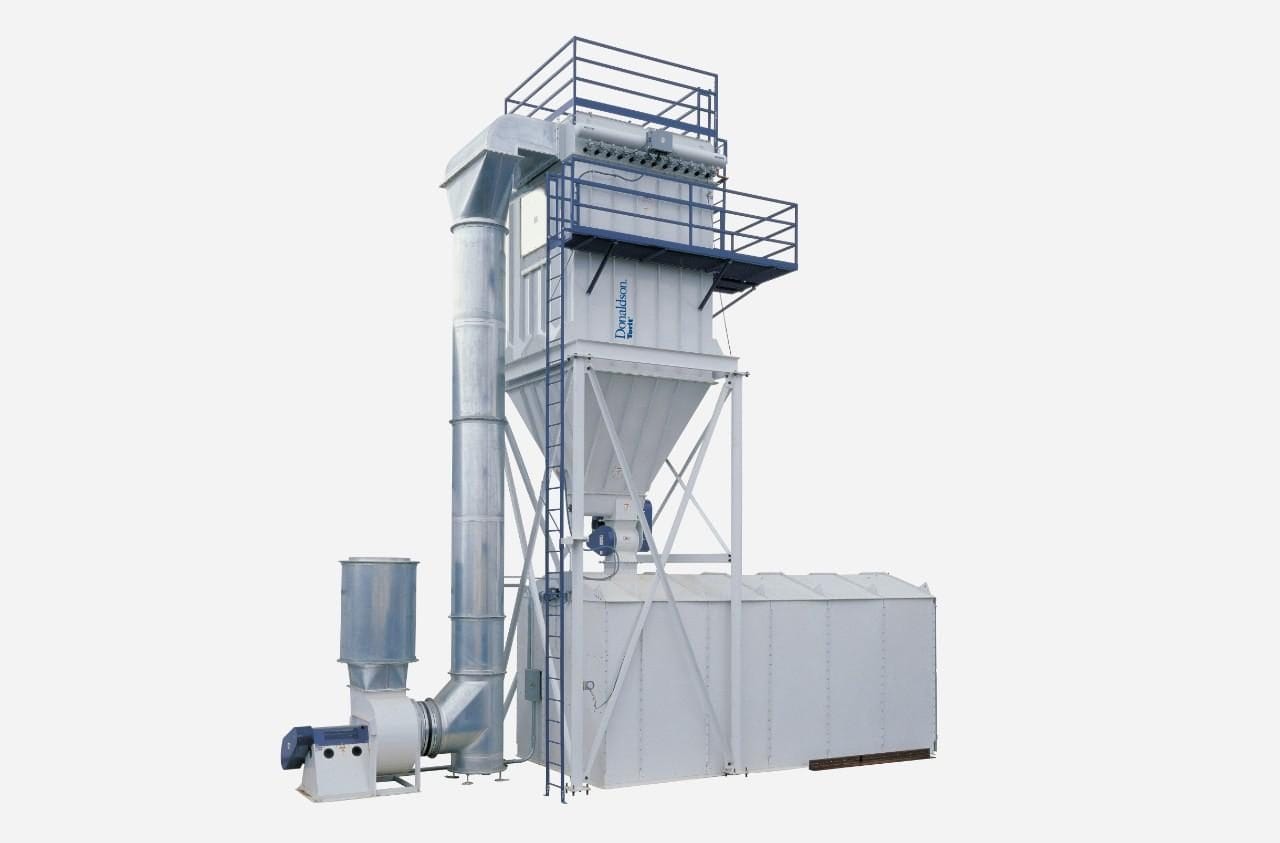
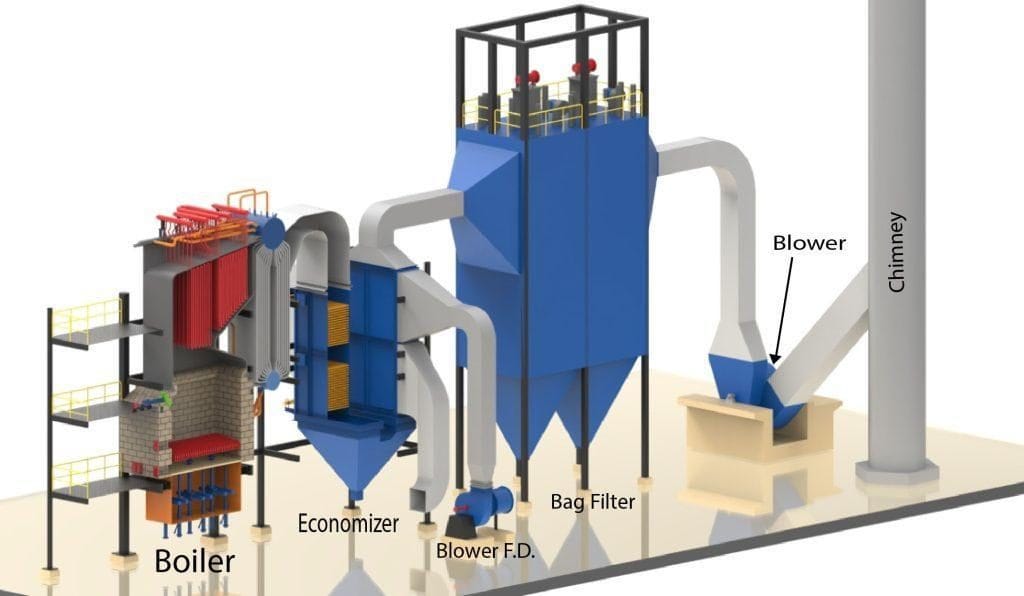
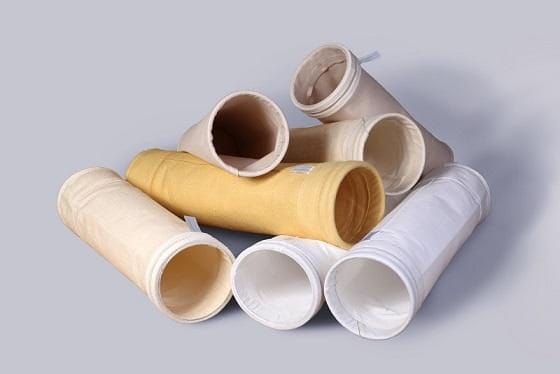
Bag filters use fabric media to capture fly ash particles.
- ✓Collection efficiency >99.9%
- ✓Excellent PM2.5 capture
- ✓Emissions below 10 mg/Nm³
Typical Parameters
| Параметър | Value |
|---|---|
| Съотношение въздух-кърпа | 0.8–1.3 m/min |
| DP | 100–180 mmWC |
| Efficiency | >99.9% |
ESP vs Bag Filter
| Параметър | ESP | Ръкавен филтър |
|---|---|---|
| Efficiency | 98–99.8% | >99.9% |
| Падане на налягането | ниско | По-високо |
| PM2.5 Capture | Умерен | Отлично |
| Emissions | 30–100 mg/Nm³ | <10 мг/Нм³ |
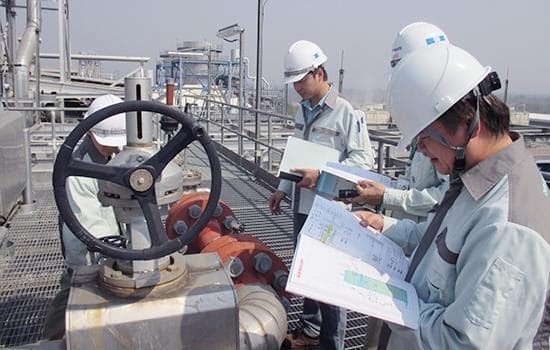
Best Practices for Fly Ash Control
- ✓Monitor Differential Pressure (DP)
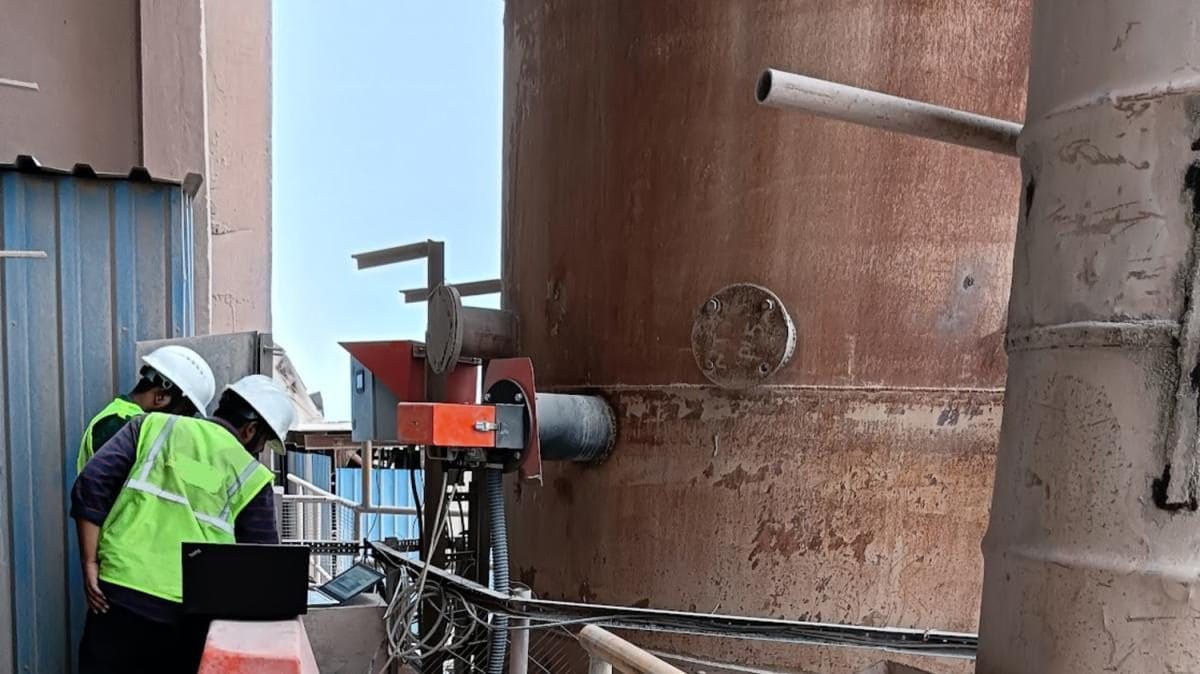
- ✓Check stack emissions regularly
- ✓Maintain ash handling systems
- ✓Conduct annual filtration audits
- ✓Select proper filter media (PPS, PTFE, Fiberglass)
Заключение
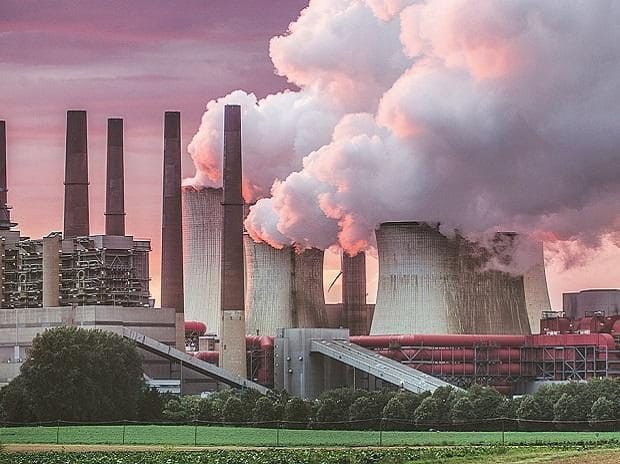
Fly ash dust is a major pollutant in thermal power plants and industrial boilers. Effective control using ESPs or Bag Filters helps plants achieve environmental compliance, improve equipment reliability, and reduce maintenance costs. For stringent emission norms, modern Bag Filters often provide the most reliable solution.
FAQ
What is fly ash dust?
Fine particulate matter generated during fuel combustion in boilers and furnaces.
Is fly ash harmful?
Yes, prolonged exposure can affect respiratory health and the environment.
Which is better for fly ash collection?
Bag Filters generally provide higher efficiency and lower emissions than ESPs.
What emission level can a Bag Filter achieve?
Typically below 10 mg/Nm³ with proper design and maintenance.
📖 Read Case Study
Discover how a thermal power plant reduced stack emissions from 120 mg/Nm³ to below 10 mg/Nm³ through an ESP-to-Bag Filter retrofit while improving plant reliability and reducing maintenance costs.

 BG
BG  EN_US
EN_US  UR
UR  AR
AR  NL
NL  MS
MS  DE
DE  FR
FR  IT
IT  FA
FA  VI
VI  KO
KO  RU
RU  ID
ID  FIL
FIL  KK
KK  UZ
UZ  CS
CS  HU
HU  SL
SL  SV
SV  PL
PL  TR
TR  FI
FI  ES
ES